 By st20113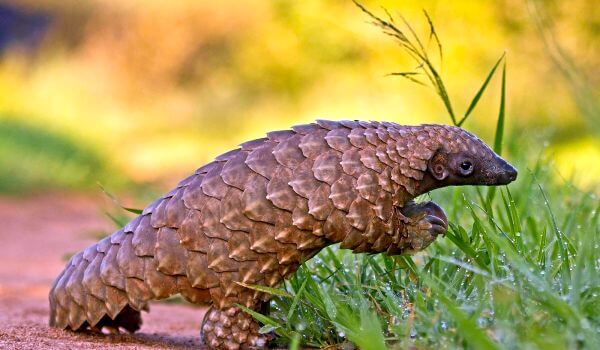
The Pangolin (Phataginus tricuspis, the tree pangolin, one of four African species) – also called the scaly anteater – is one of the most remarkable and most threatened animals on Earth: a nocturnal, insectivorous mammal of the African rainforest whose body is almost entirely covered in overlapping scales made of keratin – the same material as human fingernails – that provide a flexible, articulated armor that is unique among mammals and has made the pangolin the most trafficked wild animal in the world.
Overview
The Pangolin (Phataginus tricuspis, the tree pangolin, one of four African species) – also called the scaly anteater – is one of the most remarkable and most threatened animals on Earth: a nocturnal, insectivorous mammal of the African rainforest whose body is almost entirely covered in overlapping scales made of keratin – the same material as human fingernails – that provide a flexible, articulated armor that is unique among mammals and has made the pangolin the most trafficked wild animal in the world. The tree pangolin is one of eight pangolin species worldwide (four in Africa, four in Asia), and all eight species are now threatened with extinction as a result of relentless poaching for their scales and meat.
Pangolin scales are extraordinary structures: they are made of keratin – the same protein that forms human hair and nails, and the hooves of horses – arranged in overlapping rows that cover the entire dorsal and lateral surface of the body, head, tail, and limbs. The scales are not attached to the skin like the scales of fish or reptiles but are rooted in the skin itself, and they grow continuously throughout the animal’s life, much like fingernails. When threatened, the pangolin rolls into a tight ball, protecting its soft, vulnerable underparts with its overlapping scales – a defensive posture so effective that even lions and leopards have difficulty penetrating it. The scales’ sharp edges can also inflict painful cuts on any predator that attempts to bite through them.
Habitat and Diet
The Tree Pangolin is found in the tropical rainforests of Central and West Africa, from Senegal in the west through Guinea, Sierra Leone, Liberia, Côte d’Ivoire, Ghana, Togo, Benin, Nigeria, Cameroon, the Central African Republic, the Democratic Republic of Congo, Uganda, Tanzania, Angola, Zambia, and into Kenya. The species is arboreal – spending most of its time in the forest canopy where it uses its powerful, semi-prehensile tail and clawed forelimbs to climb trees and navigate the branches – but also forages on the ground and is capable of digging burrows using its powerful front claws.
The pangolin’s diet consists almost exclusively of insects – primarily ants and termites, which it captures using its extraordinary, 25-centimeter-long, worm-like, sticky tongue. The pangolin’s tongue is attached at the base of the ribcage rather than at the front of the mouth and can be extended to extraordinary lengths to probe ant and termite nests. The tongue is coated with a sticky, viscous saliva that traps insects, which are then retracted into the mouth and swallowed whole. Pangolins have no teeth – they process their food using a muscular stomach lined with keratinized plates that grinds the insects mechanically, much like the gizzard of a bird. A single pangolin can consume up to 70 million insects per year, making it one of the most important natural pest controllers in the tropical forest.
Ecology and Behavior
The pangolin’s unique combination of traits – armored scales, long sticky tongue, burrowing ability, and arboreal agility – has made it one of the most ecologically important insect predators in the tropical forests of Africa and Asia. By consuming enormous quantities of ants and termites, pangolins help regulate the populations of these ecologically dominant insects, preventing them from overwhelming the forest ecosystem and maintaining the balance between insect herbivores and the plants that depend on them. Pangolins also create and maintain burrows that are used by a variety of other forest animals, and their foraging behavior disturbs soil and leaf litter in ways that promote nutrient cycling and seed germination.
Pangolins are largely solitary animals that come together only briefly for mating. The species is characterized by an extremely low reproductive rate: females give birth to a single pup (rarely twins) once per year after a gestation of approximately 120 to 150 days, and the pup remains with the mother for approximately 3 to 4 months, riding on the base of her tail as she forages. This slow rate of reproduction – combined with intense poaching pressure – means that pangolin populations are extremely slow to recover from losses, and populations that have been heavily poached can take decades to rebuild.
Conservation
The Tree Pangolin (and all other pangolin species) is listed as Critically Endangered on the IUCN Red List, reflecting the devastating impact of the international wildlife trade on global pangolin populations. All eight species of pangolins are now protected under Appendix I of CITES (the Convention on International Trade in Endangered Species), which prohibits international commercial trade in the species. However, poaching continues at alarming rates: it is estimated that more than 1 million pangolins were trafficked globally in the decade from 2000 to 2010 alone, and the species has become the most trafficked wild animal in the world by number of individuals – and possibly by value – surpassing even the elephant and rhino.
The primary driver of pangolin trafficking is demand for their scales – which are used in traditional medicine in China and Vietnam despite having no scientifically proven medicinal properties – and for their meat, which is considered a delicacy in some parts of Asia. The belief that pangolin scales can cure cancer, promote lactation, and treat a variety of other ailments – claims that are entirely unsupported by scientific evidence – has created a multi-billion-dollar black market for pangolin products. Conservation efforts focus on strengthening law enforcement against wildlife trafficking, reducing demand through public awareness campaigns, supporting local communities that share habitat with pangolins, and scaling up captive breeding and reintroduction programs to rebuild depleted wild populations.