 By Iris
The Timurid Empire | The Heirs of the Conqueror
Historical Profile · Central Asia and Persia
The Timurid Empire | The Heirs of the Conqueror
The empire of a conqueror who rode out of the steppe, and of the princes after him who made Samarkand and Herat into cities of tilework and learning.
AD 1370-1507
The empire
Timur
Delhi
Ankara
Shah Rukh
The big picture
Introduction
Timur built an empire that stretched across Asia. A conqueror from Central Asia led the way. Armies moved across the continent after 1370. At its height the state ran from the edge of China to the Mediterranean.
Persia, Iraq, Afghanistan and the lands beyond the Oxus all came under his hand. Timur died in 1405, however. His heirs lost most of what he had taken. Yet the family kept Persia and Central Asia for a century.
Under them Samarkand and Herat became the finest centres of art and learning in the Muslim world. Their line later produced Babur, the founder of The Mughal Empire. Cities of the region, moreover, kept their fame for generations.
Setting
Historical Context
Central Asia in the 1300s was a land of broken states, in effect. A Mongol empire had split into rival parts. Roads that had once carried trade across Asia were unsafe, however. Power lay with the chiefs of the tribes and with the commanders of the old Mongol armies. No single ruler held the whole. Timur came from one of those tribes.
He was born near Samarkand. He rose in the service of a local chief. By the 1360s he was the master of the region. In 1370 he took the title of ruler and made Samarkand his capital. Lands he entered were rich and old. Persia had been ruled by Muslim dynasties for centuries, indeed.
Its cities were centres of trade, of craft and of learning, and its scholars and artists were the best in the east. Thus Timur took them back to his capital when he returned from a campaign. To the west lay The Ottoman Empire, which was then rising in Anatolia. Timur beat its army at Ankara in 1402 and took its sultan prisoner. Defeat set the Ottoman state back for a generation. It left Timur the strongest ruler in the Muslim world.
Turning points
Key Events
Armies of Timur moved in every direction. In the 1380s he took Persia and Iraq. In 1395 he beat the ruler of the Golden Horde in the north. Meanwhile he spent the next years in campaigns across the whole of the east. His name became a byword for speed and for terror. His greatest campaign came in 1398, when he marched into India and sacked Delhi.
Craftsmen and scholars were taken back to Samarkand, and Delhi was left in ruins. In 1400 he turned west and beat the Ottoman army at Ankara. He was planning a march on China when he died in 1405. His heirs, however, fought among themselves. The empire was divided, and for a time it looked as if it would break up. Then one of them, Shah Rukh, took the whole of Persia and Central Asia, and he ruled from Herat for forty years.
Under him the state settled down, indeed. Yet arts found a home. The empire lasted until 1507. Thus in that year a new power from the north took Herat and Samarkand. The last Timurid ruler fled. One of his relatives, Babur, went south and took Kabul, and from there he marched into India and founded the Mughal empire.
1
2
3
Who held power
People and Powers
Timur held the whole state in his own hands. He was the chief of the army, the head of the government and the source of all law. No office, however, could stand against him. He ruled through a body of officials who held the records and the revenue. A council of commanders and of scholars stood about him. After his death the state changed, in fact.
Shah Rukh and his wife, Gawhar Shad, ruled with the help of Persian-trained officials. Work of government passed into their hands. Tribal chiefs held the army. Their loyalty had to be bought with land and with pay. Cities were the other power, in effect. Samarkand, Herat and Bukhara were centres of trade and of learning.
Their merchants and their scholars had great influence at court, and rulers spent heavily on buildings and on books. Artisans of the cities were kept busy for a century, indeed. Religion, moreover, held the state together. Rulers were Muslim and gave land and money to the mosques and the schools, . They also held to the older customs of the steppe. Court life kept a double face, part Persian city and part Mongol camp.
Everyday world
Daily Life and Society
Most people in the lands of the Timurid empire were farmers. They worked the fields beside the rivers, and a share of the harvest went to the lord who held the land. Villages kept their own headmen and their own courts. Much of daily life, however, went on without the state.
Cities, moreover, were the heart of the empire. Workshops turned out cloth, metal, pottery and leather, and markets were filled with goods from every part of Asia. Bazaars were run by the guilds, indeed. Each trade had its own street and its own officers.
Court life, in turn, was a world of its own. It held poets, painters, calligraphers, scholars and musicians. Their work was paid for by the ruler. Great families of the cities sent their sons to the schools, and a class of trained officials grew up to run the state.
Craft and ideas
Trade, Technology and Ideas
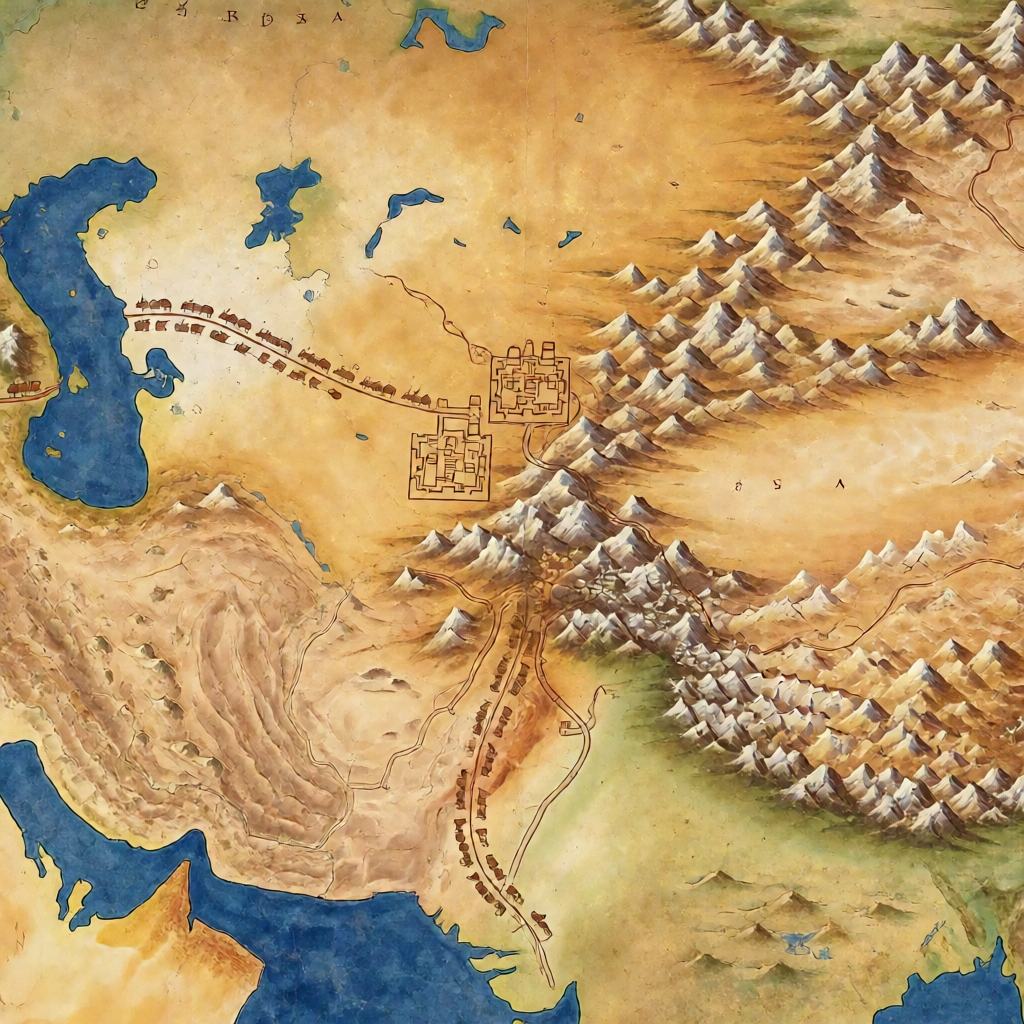
Trade was the base of the wealth of the cities. Roads that ran across Asia, in effect, passed through the lands of the empire. Caravans of China, of India and of the west met in its markets, and in turn the cities grew rich. Goods of the east went north and west, and the silver and cloth of the west came back.
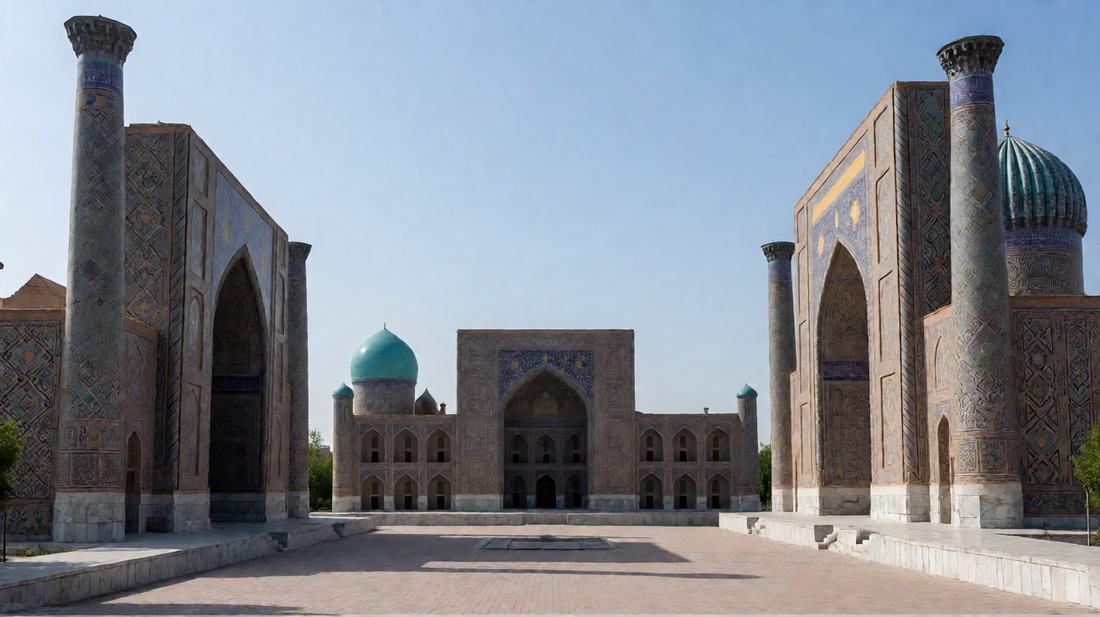
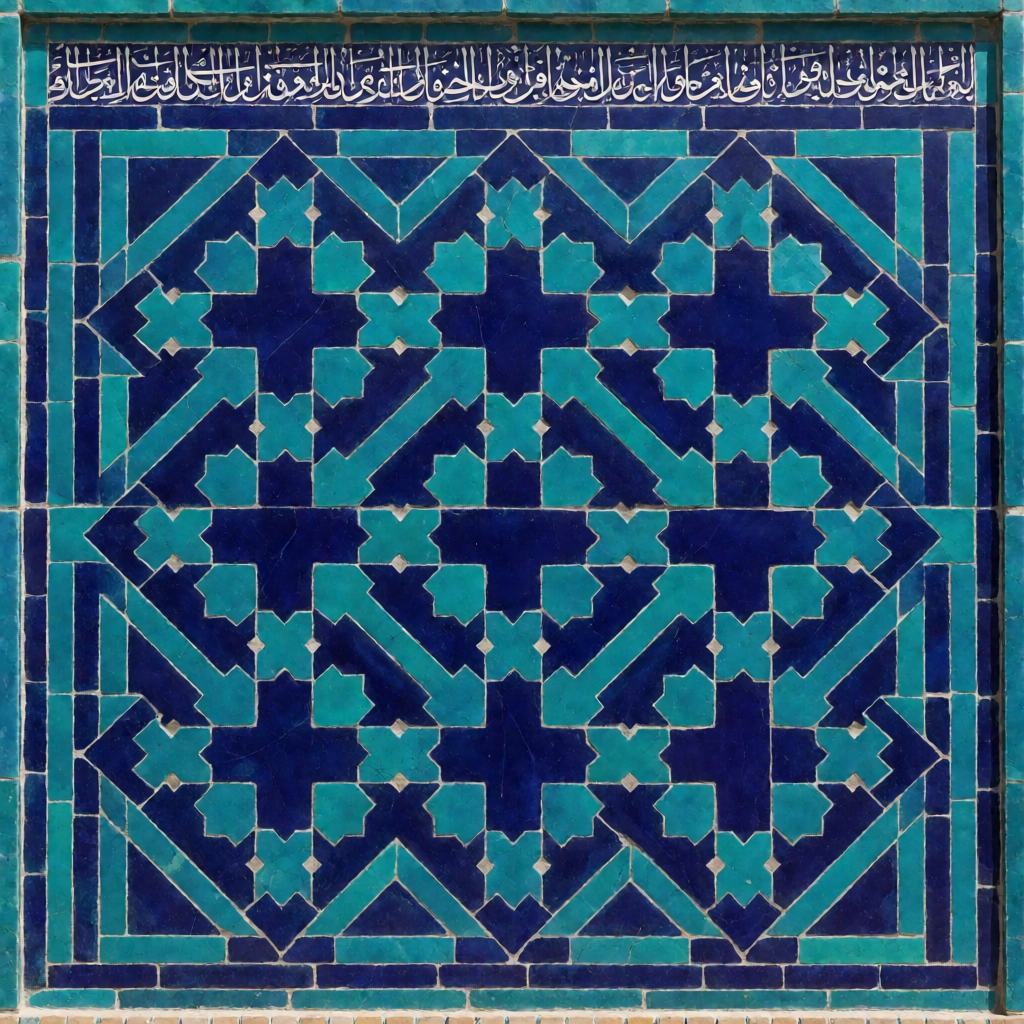
The empire, moreover, was famous for its buildings. Rulers brought the best architects and craftsmen to their capitals. Work of their age is among the finest in the world. Mosques and tombs of Samarkand are covered from top to bottom with glazed tiles, and the blue and turquoise of their domes are still the mark of the city.
Learning and the arts, however, were supported by the court. Rulers kept painters and calligraphers at their side, and the book was the great art of the age. Schools of the cities taught law, medicine, astronomy and the letters, . Astronomers of Samarkand made tables of the stars that were used for centuries.
What lasted
Legacy
Timurid building left a deep mark on the east. Its buildings set the standard for the whole of the Muslim world, . A rule that a ruler should spend on art and on learning lasted for centuries. Blue tiles of Samarkand, in turn, were copied in Persia, in India and in the lands beyond.
Its line, however, carried on in other hands. Babur, a Timurid prince, founded the Mughal empire in India. The art of the Mughal court grew out of the Timurid tradition. Gardens and domes of the later empire look back to the cities of Timur.
The empire also left a memory of terror, indeed. Campaigns of Timur cost great numbers of lives, and his name was used for centuries as a warning about the price of conquest. In short, what his family built and what his armies broke are both part of the record.
Side by side
How It Compares
| Point | The Timurid empire | The Ottoman empire |
|---|---|---|
| Founder | Timur, from the steppe | Osman, a frontier chief |
| Chief cities | Samarkand and Herat | Bursa, then Istanbul |
| Its peoples | Turks, Persians and Mongols | Turks, Greeks, Arabs and Slavs |
| Noted for | Tiled buildings and books | A standing army and a code of law |
| At Ankara, 1402 | Won | Beaten, and nearly broke apart |
| End | 1507 | 1922 |
Common misreadings
What People Get Wrong
- Timur founded a lasting state. His empire broke up within a century of his death.
- He built Samarkand alone. The city’s great age came under his grandsons.
- The Timurids were nomads. They ruled from cities and paid for their buildings.
Going further
Sources and Further Reading
- Wikipedia, Timurid Empire
- Encyclopaedia Britannica, Timurid dynasty. Encyclopaedia Britannica, Inc.
- Manz, B. F. 1989. The Rise and Rule of Tamerlane. Cambridge University Press.
- Lentz, T. W. and G. D. Lowry. 1989. Timur and the Princely Vision. Smithsonian.
Quick hits
Five Things to Remember
- Timur built the empire from Samarkand in the years after 1370.
- His armies took Persia and Iraq, and in 1398 he sacked Delhi.
- He beat the Ottoman army at Ankara in 1402.
- Shah Rukh ruled Persia and Central Asia from Herat for forty years.
- The empire ended in 1507, and one of its princes founded the Mughal empire.