 By st20113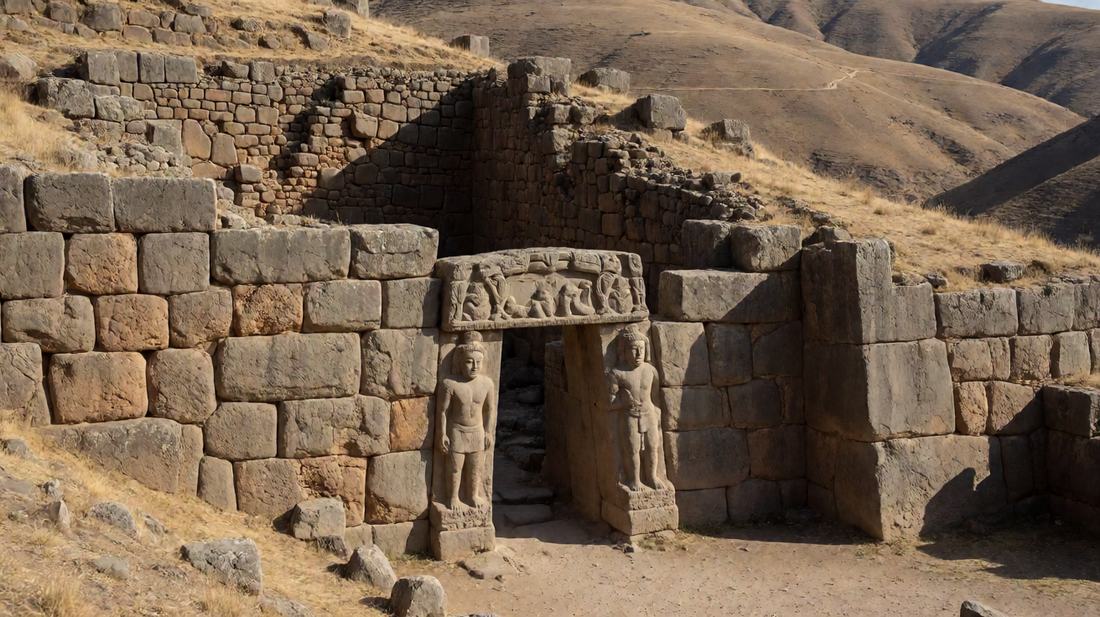
The Hittite Empire | The People of Hattusa
Historical Profile · Central Anatolia, Turkey
The Hittite Empire | The People of Hattusa
A kingdom of the Anatolian plateau that stood against Egypt, signed the earliest peace treaty to survive in full, and left an archive of thirty thousand clay tablets.
c. 1650-1180 BC
Ruled
Sacked Babylon
Fought Egypt at
Peace treaty
Archive
The big picture
Introduction
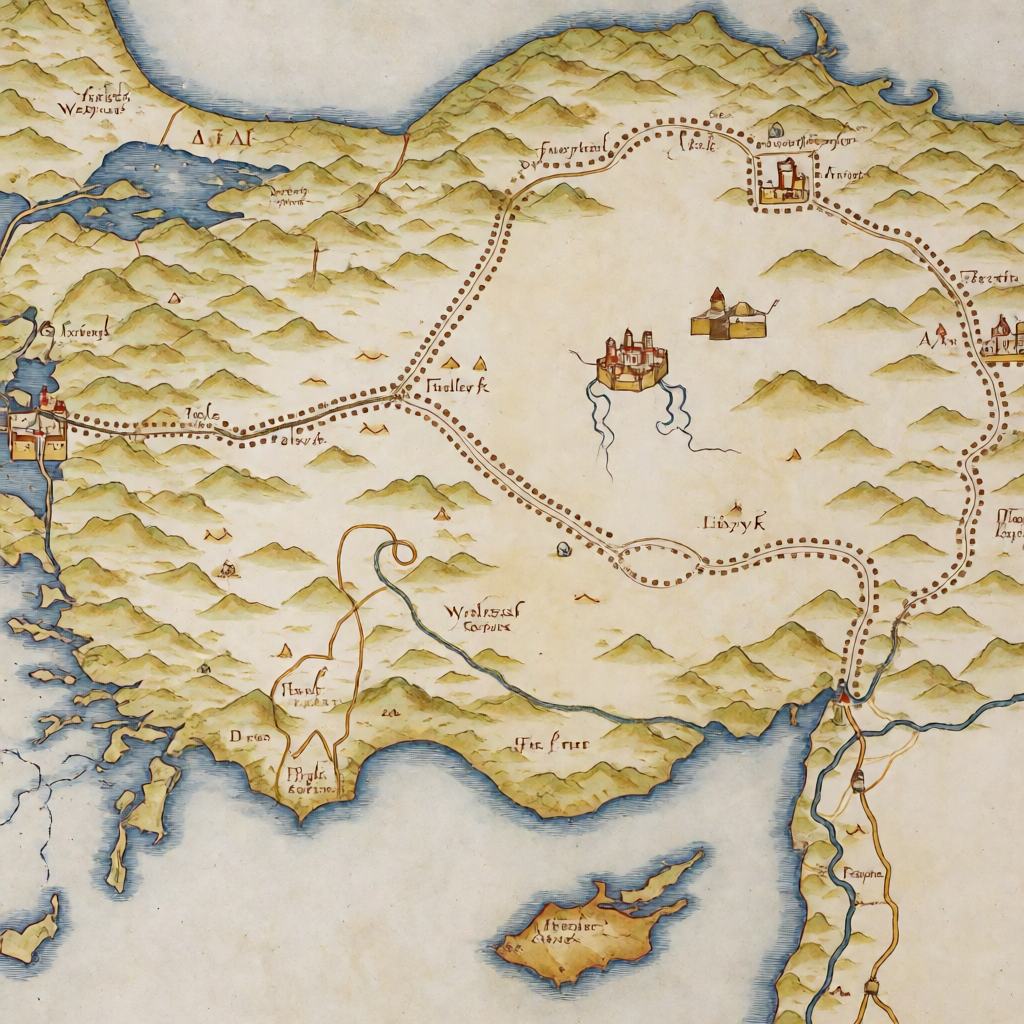
The Hittites ruled a kingdom in the middle of what is now Turkey. They held it from about 1650 BC to 1180 BC. Their capital was Hattusa, a walled city in the hills. It lay about 200 km east of Ankara.
At its height it reached the Aegean coast in the west. It reached the borders of Syria in the south. It was one of the two great powers of the east. For centuries it stood against Egypt.
The two states ended their long quarrel with a peace treaty. Then the kingdom fell. For 3000 years almost nothing was known of it.
Setting
Historical Context
The peninsula had been a land of many small states. The centre is a high dry plateau. The valleys below it held towns that traded in metal. Well before 2000 BC merchants came from Mesopotamia.
They set up trading posts in the region. They brought their script and the habit of keeping records. The Hittites spoke a language of their own. It was one of the oldest written members of the family that includes Greek and Latin.
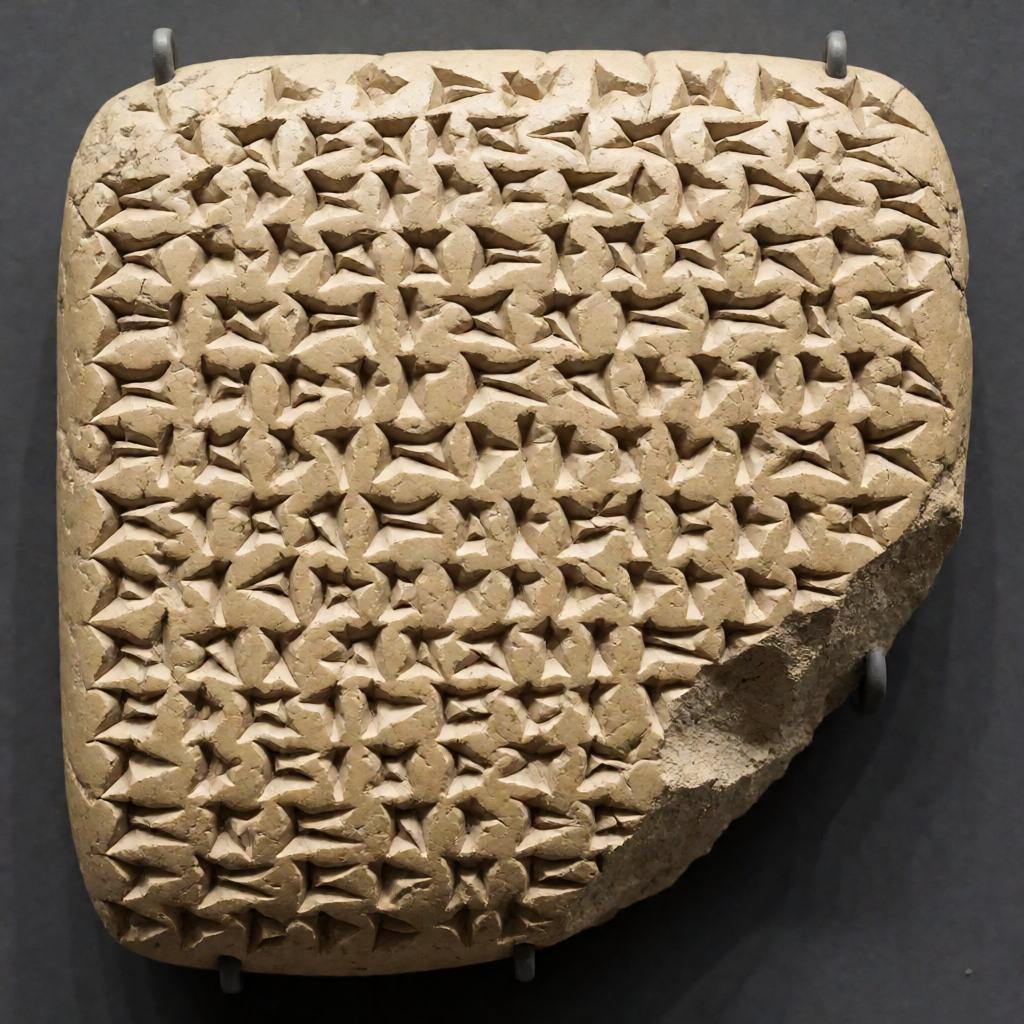
They took the script from the south. From then on their kings kept annals, laws and treaties on clay. The archive they left is one of the great finds of the ancient world.
Turning points
Key Events
The first strong line of kings belonged to the Old Kingdom. It ran from about 1650 BC. The founder moved his capital to Hattusa. He set out to control the routes across the plateau. In 1595 BC a Hittite king led an army down the Euphrates. He sacked the city of Babylon. That raid did not last. The kingdom then went through a long period of weakness.
The Middle Kingdom ran from about 1500 BC to 1400 BC. The kings lost ground in Syria. The recovery came with a line of able rulers. They rebuilt the army and made treaties with the small states of Syria. That brought them into conflict with Ancient Egypt. In 1274 BC the two armies met at Kadesh. Neither side won. Both claimed victory.
About 1259 BC they agreed a treaty of peace. Copies were made for both capitals. It is the earliest such treaty to survive in full. The end came suddenly. After about 1200 BC the whole region was shaken by a wave of destruction. Hattusa was left empty.
1
2
3
Who held power
People and Powers
The Hittite king was a war leader and a judge. He was also the chief priest of the state faith. He was not a god, as the pharaoh was. He became one after his death. Beside him stood the queen.
She held land and offices of her own. The king ruled a group of peoples rather than one country. His own lands lay in the centre. Around them stood a ring of vassal states. Each had its own ruler.
These rulers had to send soldiers and pay tribute. The system was held together by written treaties. The kings were careful to spell out who should take each throne. Below the royal family stood clerks, scribes and priests. The great families held estates all over the kingdom.
Everyday world
Daily Life and Society
Hattusa stood on a slope above a valley. A stream ran through it. The city was ringed by a wall of large blocks. The wall was broken by great gates. Each gate was set with a pair of carved stone figures. Inside there were temples, storehouses and the citadel.
The buildings were of stone and mud brick. Most people lived outside the cities. They worked the land in villages. They paid their taxes in grain. The state kept large stores of food against bad years. The records show clerks counting grain, wine, oil and cloth.
Trade moved in every direction. Metal came from the hills. Cloth and finished goods came from the towns. The archive shows scribes writing in eight languages.
Craft and ideas
Trade, Technology and Ideas
The Hittites were among the first to work iron in any amount. They did not yet have kilns hot enough to melt it. They hammered the metal into shape while it was hot. They used it for weapons and for tools.
The knowledge spread outward from the plateau. Their greater work was the record. The archive at Hattusa held about 30000 clay tablets. It covered law, letters, faith, medicine and the training of clerks.
The laws were less harsh than those of the states to the south. In several cases they set a fine rather than a beating. The tablets also hold the oldest written account of a peace agreement. They include a manual for a chariot force.
What lasted
Legacy
The kingdom was forgotten and then found again. In the 1800s travellers in Turkey noticed carved stone figures. They also noticed an unknown script. In 1906 an excavation at Hattusa began to bring up the tablets.
In 1915 a scholar in Vienna worked out that the language was related to Greek and Latin. That opened the archive to study. The Hittites changed how historians read the ancient world. Before their records came to light, the story was told from Egypt and Mesopotamia.
The north was a blank. The tablets show a third great power. It had its own law, its own envoys and its own view of events.
Quick hits
Five Things to Remember
- The Hittite empire ran from about 1650 BC to 1180 BC, with its capital at Hattusa.
- In 1595 BC a Hittite army sacked Babylon, and in 1274 BC the Hittites fought Egypt at Kadesh.
- The peace treaty with Egypt of about 1259 BC is the earliest such treaty to survive in full.
- The archive at Hattusa held about 30000 clay tablets in several languages.
- Hattusa was abandoned after about 1200 BC, and the empire disappeared with it.