 By Iris
Urartu | The Kingdom of the Iron Mountains
Historical Profile · Anatolia
Urartu | The Kingdom of the Iron Mountains
A mountain kingdom that fought Assyria to a standstill and cut its boast into the rock above a lake.
c. 860-590 BC
Core
Capital
Canal
Rival
End
The big picture
Introduction
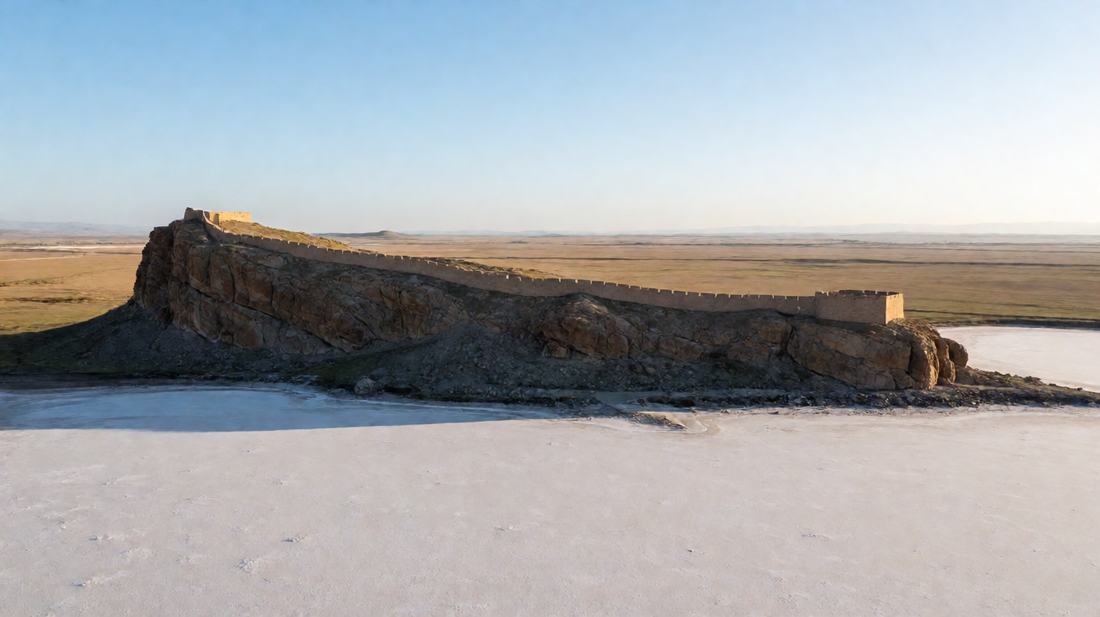
Urartu stood on a high plain beside a salt lake. Its kings ruled there for almost three hundred years. Lake Van lies in what is now eastern Turkey. A wall of mountains gave the kingdom its shape. A ring of smaller peaks gave it iron, stone and open upland.
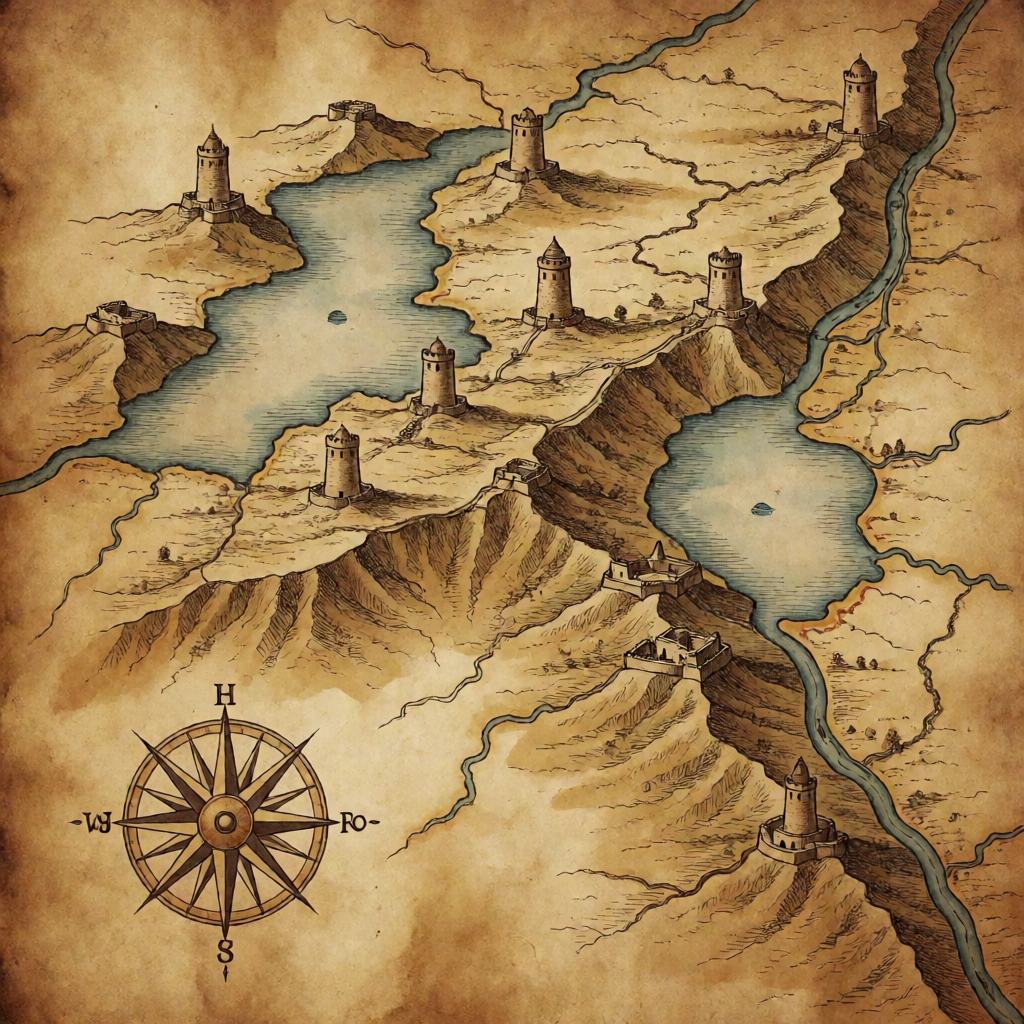
Assyrian scribes first named the land in the 1200s BC. They named it as a rival. Kings built forts on rock spurs and cut their boasts into the cliff face. Those cuts still stand, moreover, in a language no one else spoke. Water and metal gave it life, and both ran short at the end.
Its canals still carry water to the fields below Van. Bronze work from its workshops travelled as far as Greece and Italy. It shaped the art of later Persia. Yet the kings left no books, only stone, so their story comes from enemies and from digs. That record is thin, and it makes Urartu a puzzle.
Setting
Historical Context
Small chiefdoms held the land between the mountains. Assyrian kings called them by one name. Raids from the south forced them together. By the 860s BC a single line of kings ruled from a rock above Lake Van. Sarduri I sent a boast to the Assyrian court.
His son Menua built the works that made the state rich. Wars, however, ran both ways for two centuries. Assyria marched north when it was strong, and Urartu marched south when it was not. Because the two rivals copied each other, their arms, their sieges and their record keeping grew alike. Each side also learned to move whole towns of people, which broke old loyalties and made new ones.
The Hittite empire had held the west of this land before. Its fall left room for a new power. So Urartu grew in the gap that the Hittites left. That gap also left it exposed, since no ally stood between it and Assyria.
Turning points
Key Events
A king named Argishti I pushed north and founded a fort at Erebuni in 782 BC. That fort became the origin of Yerevan. Under Sarduri II the army reached the upper Euphrates and took tribute from Syrian towns. Then the tide turned.
In 714 BC the Assyrian king Sargon II marched into the mountains, broke the Urartian army and stripped a temple of its god. That campaign is recorded in a long letter to the god Assur. It lists the booty town by town. Urartu recovered, though never fully.
Rusa II built new towns and new canals, and he kept the passes open. After 650 BC the record goes quiet. Raiders from the north moved through the highlands, and the Medes pushed west. By 590 BC the forts were empty, and a new people held the plain.
1
2
3
Who held power
People and Powers
At the top stood the king. He ruled as the chosen servant of Haldi, the chief god. Haldi’s temple at Musasir held the royal treasure. Its sack in 714 BC hurt more than a lost battle. Below the king stood a class of lords who held forts and land.
They owed troops, and they kept their own bronze and their own seals. Governors ran the districts, and a chain of forts watched the roads. The army ran on chariots, on riders and on massed spearmen. Sieges were the real work, and the kings, indeed, left notes on them cut into stone. Moving whole towns fed the system, since a town shifted from one valley to another lost its old gods and gained new masters.
Because labour was the scarcest thing in the mountains, captured people were worth more than gold. The Assyrian empire used the same method on a larger scale. Urartu learned it from them.
Everyday world
Daily Life and Society
Most people farmed, and most farms, therefore, sat below a canal. Water came from spring floods. A dam could hold it back until the fields were ready. Menua’s canal ran for 56 kilometres, and it still feeds the plain. Fields grew grain, and orchards, in turn, gave wine and oil.
Wine went into huge jars sunk into the floor. A house might own a dozen of them. Walls were stone at the base and mud brick above, with flat roofs and one room kept warm through the cold months. Meat came from the uplands, and wool from the same source. Work in metal was everywhere, since the hills held copper and iron, and a village smith made tools, nails and fittings.
Writing stayed with the court, and a farmer never saw a letter. Rock-cut chambers held the dead, with goods for the next life. A bad year meant hunger, since the high plain grows little and the passes close early. Water still runs in the old channel, and farmers below it still sow in spring. Grain from the plain therefore paid for almost everything else.
Craft and ideas
Trade, Technology and Ideas
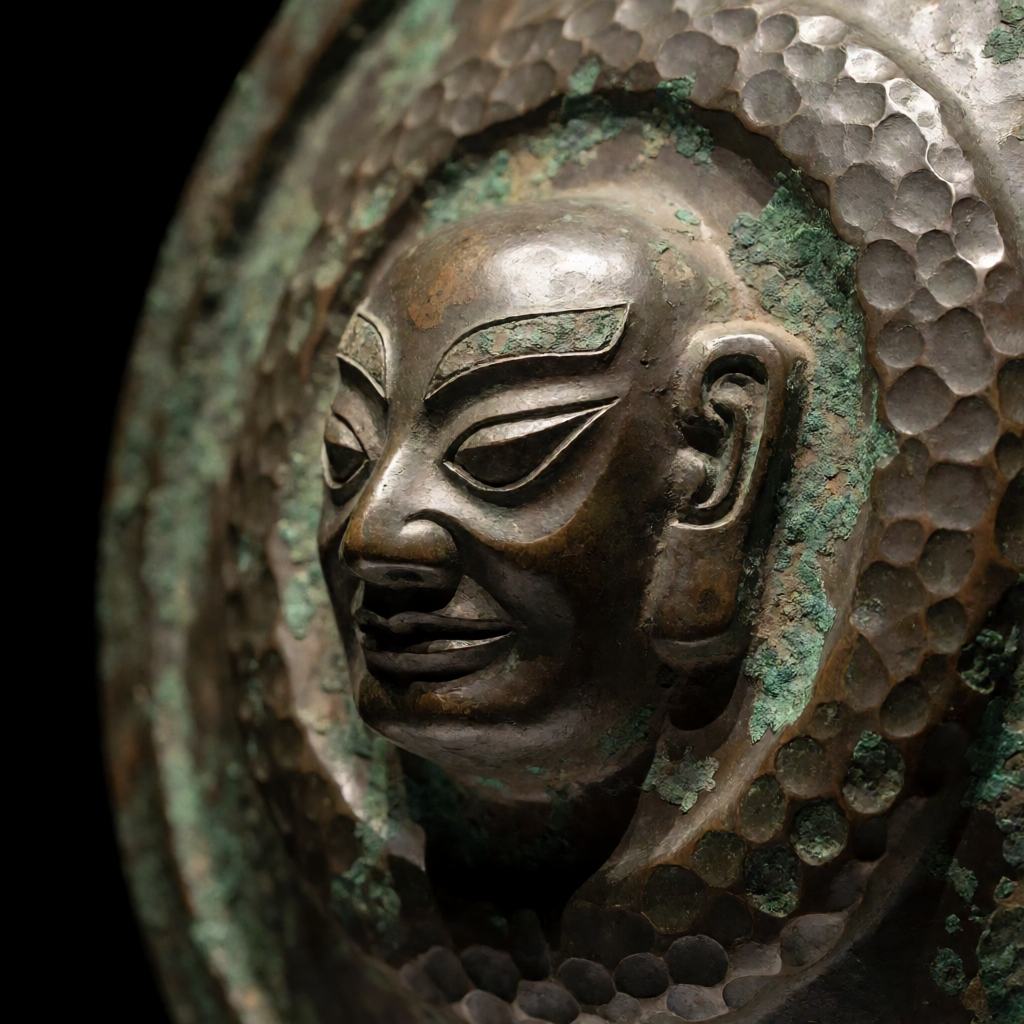
Bronze was the great export, and Urartian workshops, as a result, set the style for a wide region. Cauldrons went out with cast heads and twisted handles. Some carried a king’s name in cuneiform. Shields and helmets went into temples as gifts. Iron came early here, and the kings kept the mines under guard.
Writing came from Assyria, and Urartian scribes used the same wedge-shaped signs for a language of their own. That language stands alone, with no close relatives among the tongues around it. Trade ran south for tin, and north, meanwhile, for timber. Canal building was the great science, and it needed surveyors, levels and a payroll. Dams held winter water, and sluices let it out in summer.
Tunnels cut through rock reached the springs. Some of those tunnels still work. Thus the state was built as much by engineers as by soldiers.
What lasted
Legacy
Urartian words survive in Armenian, and the old canals still water the plain. Yerevan began as a fort called Erebuni, and the name is remembered in the city. Later Persian art borrowed Urartian metal shapes. Achaemenid courts kept the habit of rock-cut tombs. Its language died with the state.
No one read those inscriptions until the 1800s. Digs at Karmir Blur and Altintepe gave the kingdom its shape. They showed a level of craft that Assyrian boasts had hidden. Even so much of the record is missing. Kings wrote to be seen, not to be read.
Their words sit on cliffs above roads that no one now uses. What survives best, even so, is water. Its name survives too, in the language of the people who replaced it.
Side by side
How It Compares
| Point | Urartu | Assyria |
|---|---|---|
| Dates | About 860 to 590 BC | About 900 to 609 BC |
| Core | The highland around Lake Van | The Tigris plain |
| Capital | Tushpa, on the lake | Nineveh and Dur-Sharrukin |
| Language | Urartian, with no close kin | Akkadian and Aramaic |
| Strength | Canals, forts and bronze | Siege craft and deportation |
| End | Broken by raiders and the Medes | Broken by Babylon and the Medes |
Common misreadings
What People Get Wrong
- Urartu left a library of clay books. Its record is cut into cliffs, and no archive has been found.
- The kingdom died at one battle. It survived 714 BC, though it never regained its old reach.
- The canals were abandoned long ago. Menua’s channel still waters the plain below Van.
Going further
Sources and Further Reading
- Wikipedia, Urartu
- Encyclopaedia Britannica, Urartu. Encyclopaedia Britannica, Inc.
- Zimansky, P. E. 1985. Ecology and Empire. University of Chicago Press.
- Piotrovsky, B. B. 1969. The Ancient Civilization of Urartu. Cowles.
Quick hits
Five Things to Remember
- Urartu rose in the 860s BC and was gone by 590 BC.
- Its heartland lay on a rock above Lake Van.
- Menua’s canal ran for 56 kilometres and still carries water.
- Sargon II broke the Urartian army in 714 BC.
- The fort at Erebuni, founded in 782 BC, became Yerevan.