 By st20113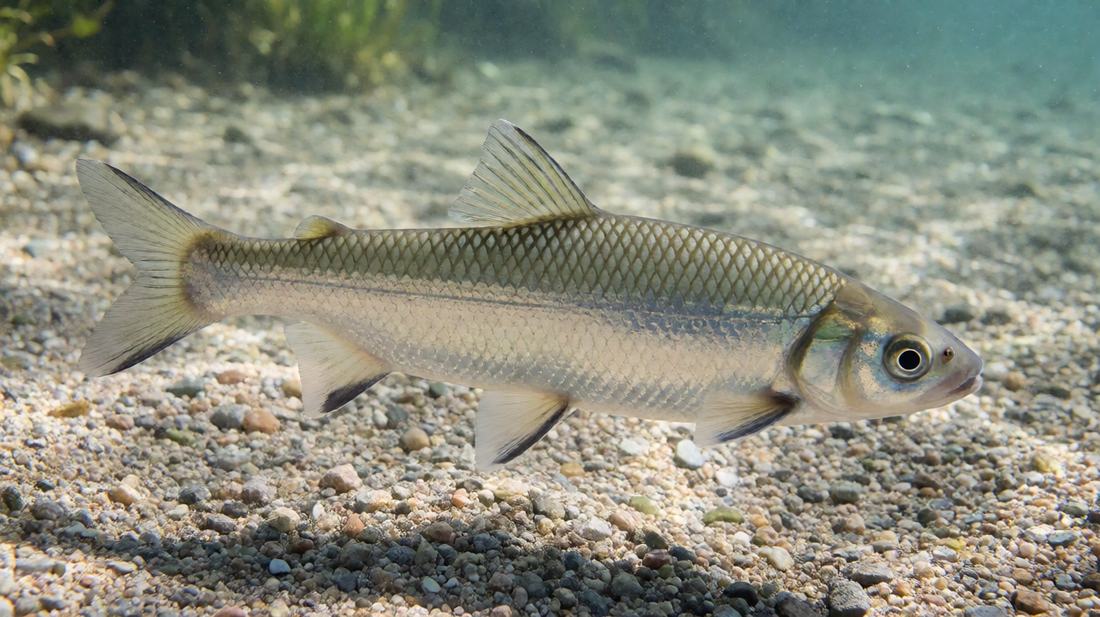
Coregonus lavaretus | Common Whitefish
Species Profile · Salmonidae
Common Whitefish
A silvery fish of cold northern lakes that looks much the same in many places but is treated as a group of close relatives.
A silver lake fish of cold northern water with many local forms
Length
Large fish
Weight
Eggs
Life
Family
The Common Whitefish
A silver fish of cold northern lakes
The Common Whitefish is a silvery fish of cold northern lakes. It is 1 of the most variable fish in Europe. Several forms live in separate lakes and look different.
All of them carry a small mouth and a short snout. The fish is caught for food across its range.
Family tree
Salmoniformes, Salmonidae
The species belongs to the phylum Chordata. Its class is the Actinopterygii, the ray finned fishes. Its order is the Salmoniformes. Its family is the Salmonidae.
Our fish shares the family with the Grayling. Many experts treat it as a group of close relatives. The picture is still not settled.
55 cm and a small mouth
How to tell one
The usual length sits between 30 and 55 cm. A large fish may reach 73 cm. The weight is about 2 kg in most cases.
The body is long and tapered. The back is blue green or brown. The flanks are silver and the belly is white.
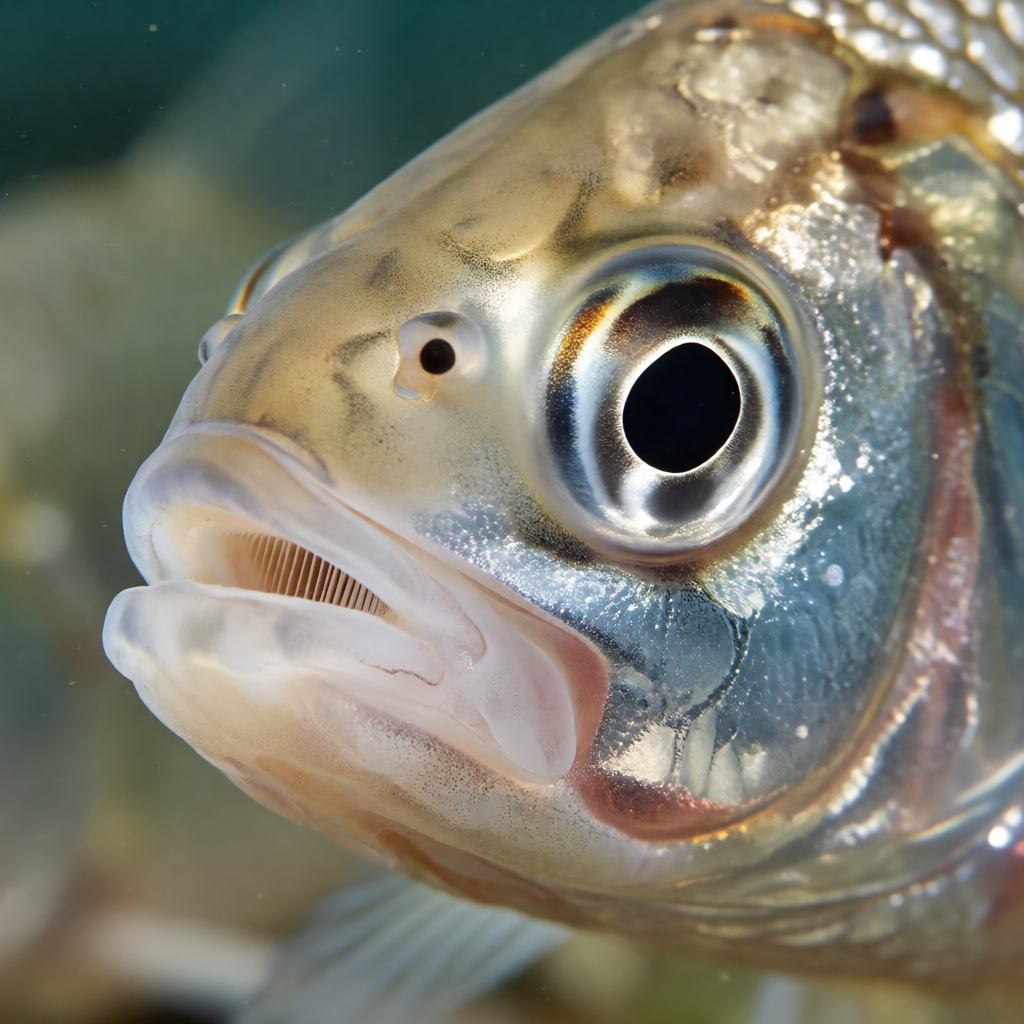
The mouth is small with a jutting upper jaw. The tail is deeply forked.
1
2
3
Deep cold lakes and brackish inlets
Where it lives
The species needs cold clean water. It lives in deep lakes across northern Europe. Some forms also enter brackish inlets. It keeps to cool layers in summer.
It moves into shallow water in winter. Hard stony ground suits it best. The fish needs cold water with plenty of oxygen.
Water fleas, larvae and small fish
What it eats
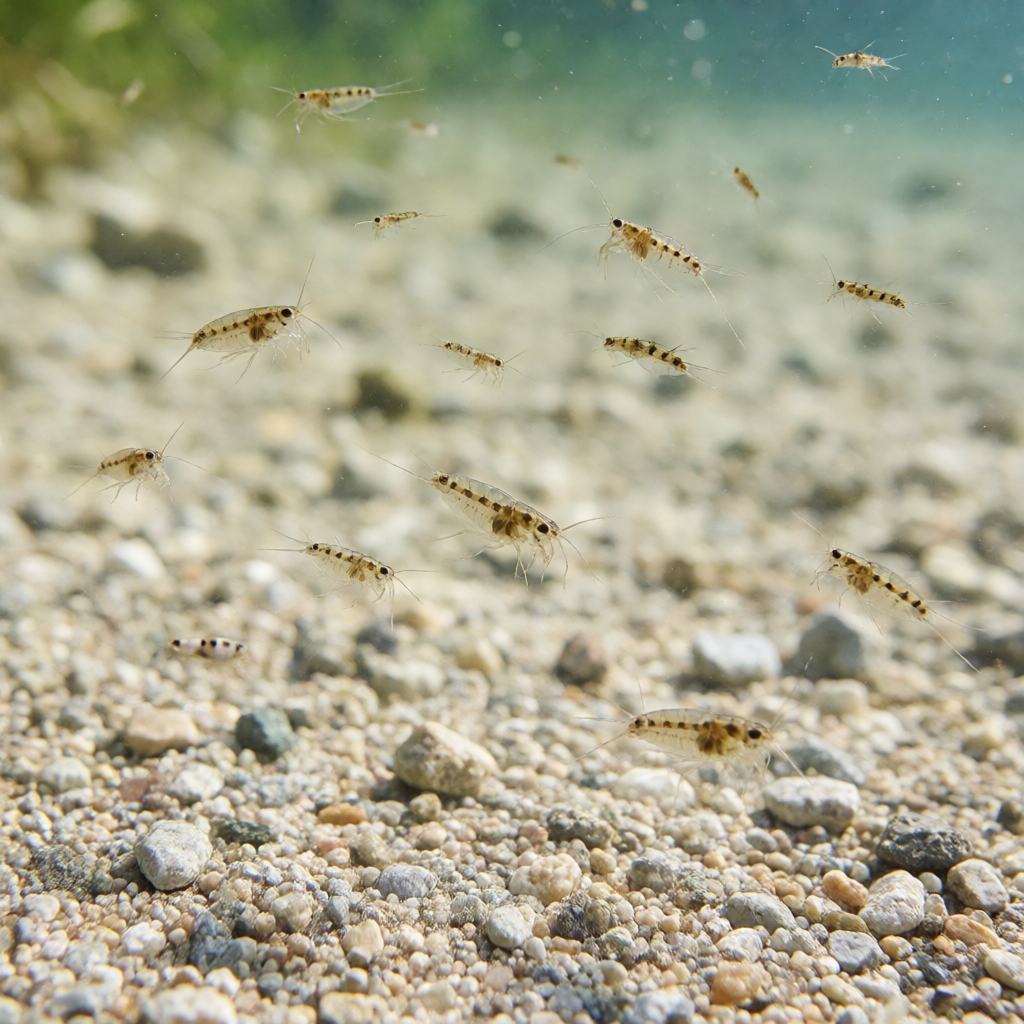
The fish feeds on small animals in the water. It takes water fleas and other small shrimps. It also takes insect larvae and small snails. Larger fish take small fish as well.
It feeds near the bottom in many lakes. Some forms feed high in the open water. Its food changes over the year.
10,000 eggs over gravel
The breeding cycle
The fish spawns late in the year. It gathers over gravel in shallow water. The female scatters about 10,000 eggs. The eggs settle between the stones.
They hatch in the cold months that follow. The young grow slowly at first. The fish may live for about 10 years.
Dams, pollution and warm summers
Conservation
The species is listed as Vulnerable by the IUCN. The main groups have fallen in recent years. Dams block the rivers. Pollution and warm summers also cause losses.
Some lake forms have gone. Careful fishing helps the rest. Clean cold water is the key need.
Quick hits
Five things to remember
- The group contains many forms that look much alike.
- Some never leave their own lake.
- It is a close relative of the salmon and the trout.
- Cold water is needed for the eggs to survive.
- Several forms have gone in living memory.