 By st20113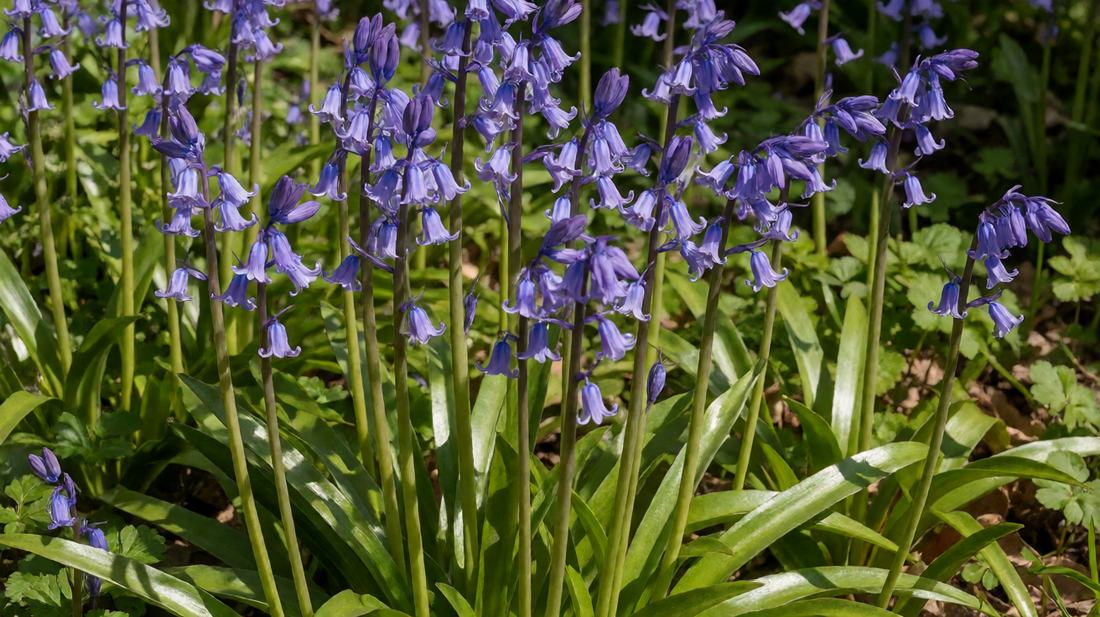
Hyacinthoides hispanica | Spanish Bluebell
Species Profile · Asparagaceae
Spanish Bluebell
A strong spring flower of gardens and woods that carries its bells on all sides of the stem and crosses freely with the native bluebell.
A strong spring bulb with a spike of open blue bells
Height
Bulb
Flowers
Bells
Hybrids
Family
The Spanish Bluebell
A strong spring bulb of gardens and woods
The Spanish Bluebell is a strong spring flower of gardens and woods. It is 1 of the most widely planted spring bulbs. Its stems carry a spike of open blue bells. The species comes from Spain and Portugal.
People have carried it into gardens across Europe. It now grows wild far beyond its homeland. It often escapes from gardens into nearby woodland.
Family tree
Asparagales, Asparagaceae
The Spanish Bluebell belongs to the phylum Tracheophyta. Its class is the Magnoliopsida, the flowering plants. Its order is the Asparagales. Its family is the Asparagaceae, the asparagus family.
Our plant shares the genus with the Bluebell of western Europe. That plant carries its flowers on one side of the stem. Its flowers hang down and have a sweet scent. Our plant carries its flowers all round the stem.
Both grow from a bulb under the ground. The 2 plants often cross to form a hybrid.
40 cm and a spike of bells
How to tell one
The plant grows about 30 to 40 cm tall. It rises from a bulb about 4 cm across. The leaves are broad and strap shaped. Each leaf is smooth and glossy green.
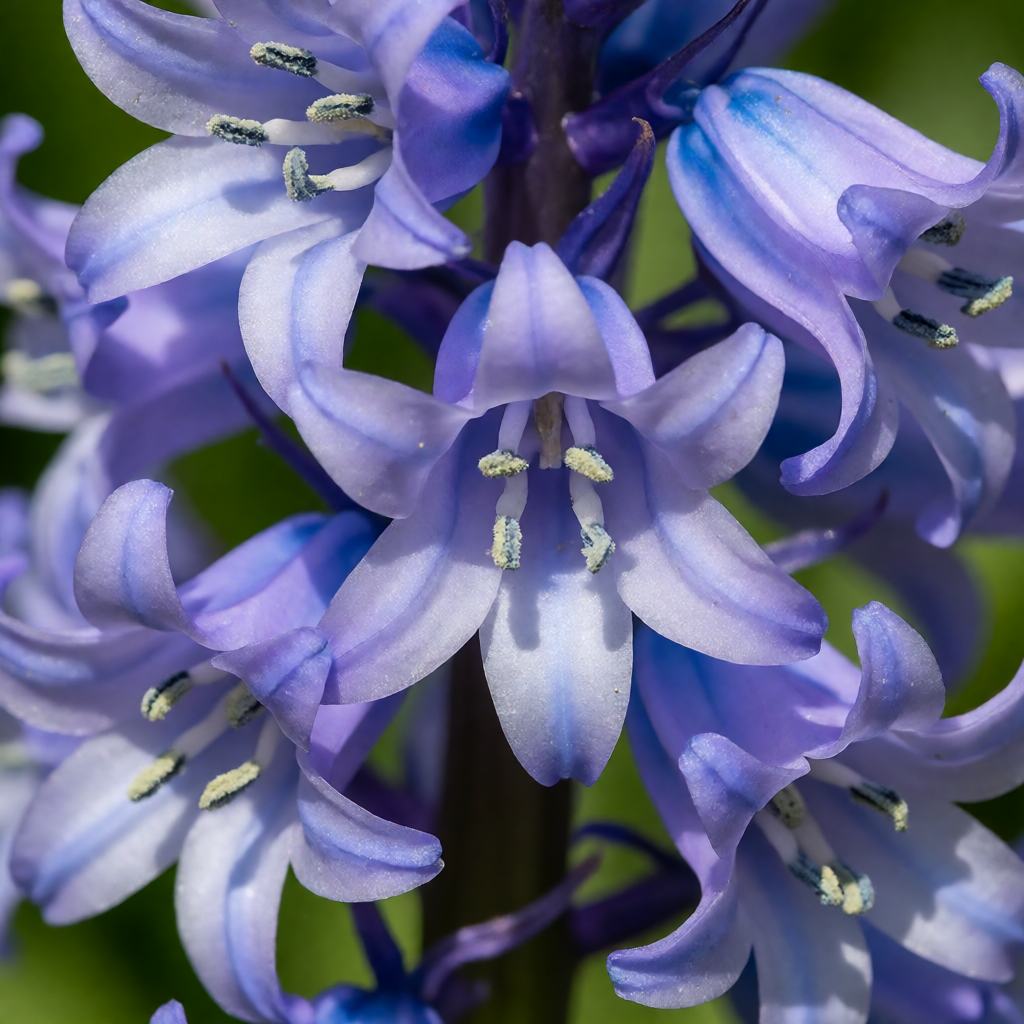
They appear before the flowers open. The stem stands upright and firm. It carries about 12 flowers in a loose spike. Each flower is a wide open bell.
The petals flare back at the tips. The flowers may be blue, pink or white.
1
2
3
Light woodland, hedges and gardens
Where it lives
The species grows in light woodland and gardens. It also grows along hedges and road edges. It likes soil rich in leaf mould. It copes with sun as well as with light shade.
It does well on heavy clay and on chalk. It spreads easily into open ground. It can form a thick carpet in a few years. It dislikes very wet or very acid ground.
It survives cold winters without harm. Mild wet springs suit it best.
Sunlight, water and soil minerals
What it eats
The plant makes its own food from sunlight. It takes water and minerals from the soil. Its broad leaves catch the light in early spring. It builds sugar inside the green tissue.
That sugar is stored in the bulb over winter. The plant takes in gas through small pores. It needs ground that stays moist in spring. It does not need rich feeding.
Leaves must be left in place after flowering. Cutting them early weakens the bulb.
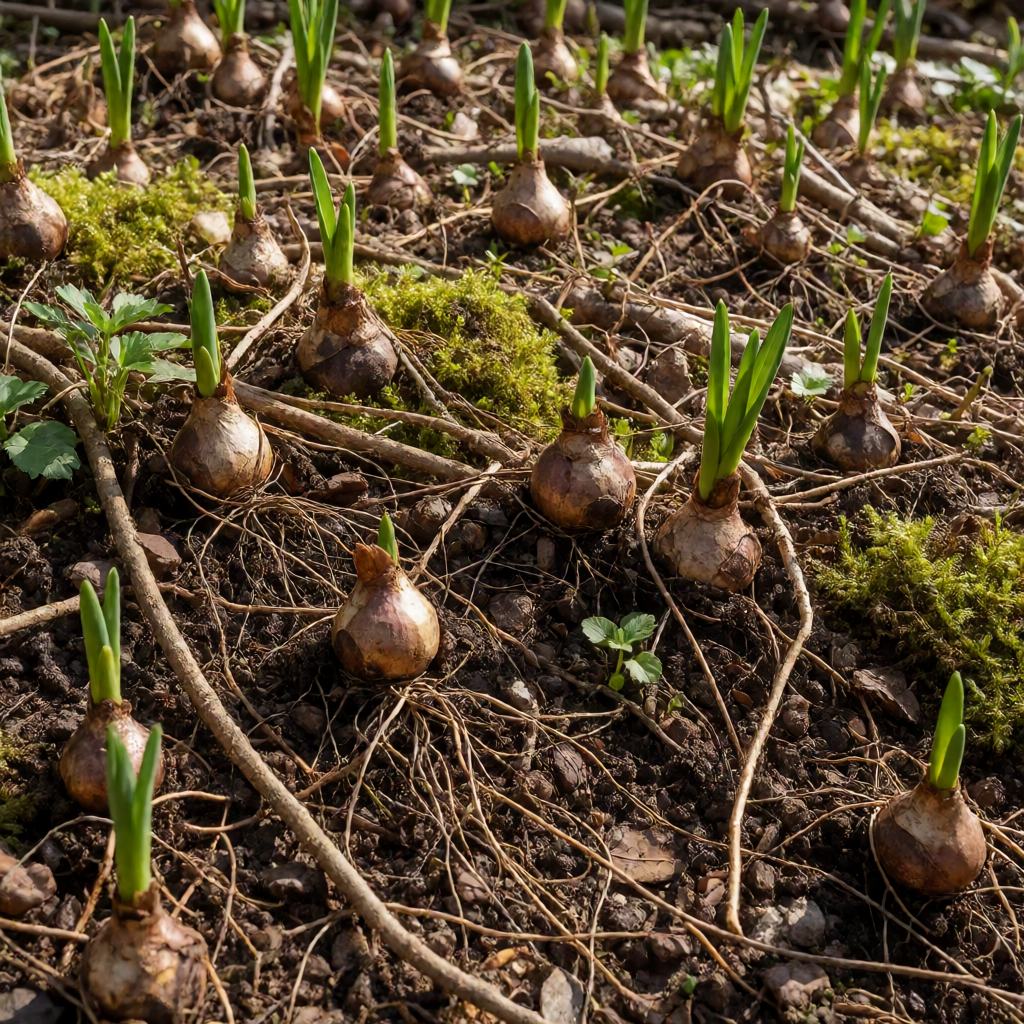
Offsets below and seed above
The breeding cycle
The plant spreads in 2 different ways. It makes small bulbs at the side of the parent. Those offsets grow into new plants. It also sets seed in good years.
Bees visit the open bells for pollen and nectar. Each seed capsule holds several black seeds. The seeds drop near the parent plant. Ants may carry some of them away.
The plant can also spread when people move soil. Digging out a patch often leaves small bulbs behind.
Crossing with the native bluebell
Conservation
The Spanish Bluebell is not assessed by the IUCN. It is very common in gardens and parks. Its main issue is the effect on the native bluebell.
The 2 plants cross and produce fertile hybrids. Those hybrids slowly replace the native kind in some woods. Many gardeners now remove the Spanish form.
Plant sellers also label their stock more clearly. The plant itself is in no danger at all. It remains a popular garden flower.
Quick hits
Five things to remember
- Its flowers stand all round the stem, not on one side.
- It has a much weaker scent than the native bluebell.
- It can cross with the native species and make a hybrid.
- Its petals open wider than those of the native kind.
- All parts of the plant are poisonous if eaten.