 By Iris
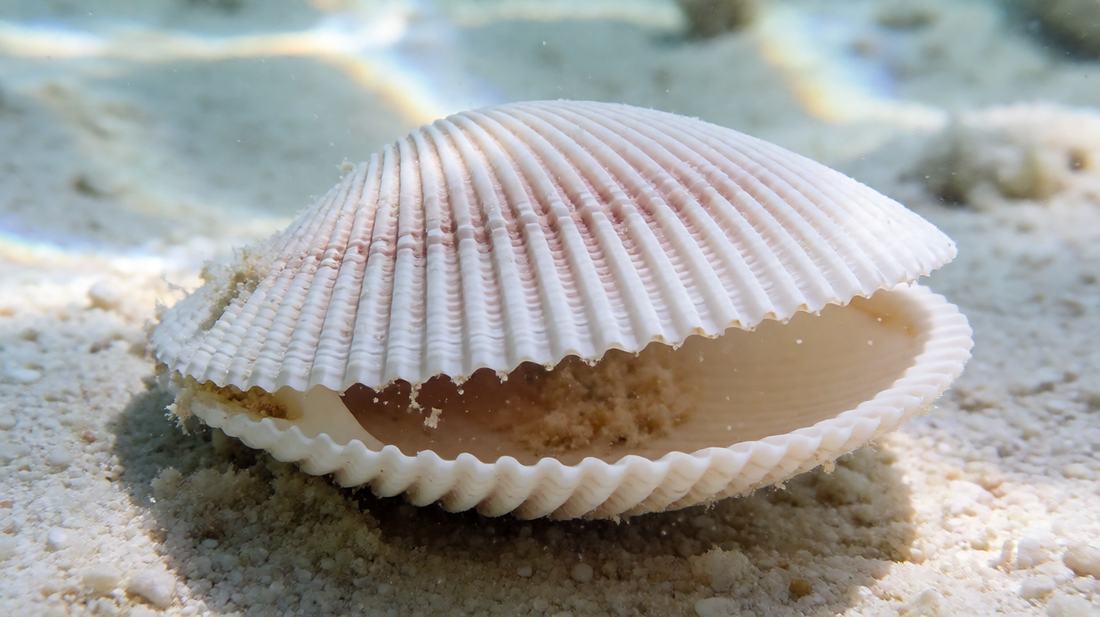
Tellina spumosa | Mouche Wink
Species Profile · Tellinidae
Mouche Wink
The small thin-shelled bivalve of the open sandy sea bed — a filter feeder of the fine plankton, its broken shells making up much of the shelly sand of the coast.
IUCN: Not Evaluated
Range
Shell
Depth
Feeding
Breeds
The thin shell of the sandy sea
A marker of the open flat
The mouche wink is a small, thin-shelled, sandy-dwelling bivalve. It lives on the open, shelly and sandy ground of the north-east Atlantic. It is one of the commonest of the small shellfish of the shallow sea bed. It is the one that gives the fine, shelly, sandy flat its character. It is a creature of the soft, open bottom. It buries itself just under the surface.
When the water stirs, it drops back down in a moment. The animal is small. Its two thin, white, fan-shaped shells are the most obvious feature. They are so delicate that the broken bits of them make up a great share of the shelly sand of the coast. The species lives along the coast of Europe. It runs along the coast of Europe.
In the north it lives off the British Isles; in the south it reaches the sandy ground far down the coast. It is one of the small shellfish that the waves carry up on the shelly beach. It feeds by filtering the water. It takes the fine plankton that drifts over the open bottom.
Family tree
Tellinidae, the sandy bivalves
The mouche wink is in the family Tellinidae. That is the family of the thin, sandy-dwelling bivalves. It sits in the genus Tellina. The French naturalist Linnaeus described it in 1758. It has stayed in the family ever since. The family Tellinidae is one of the families of the small, shelly, sandy bivalves.
It is defined by the thin, translucent, finely ribbed shell. The whole family is one of the most common of the small shellfish of the open bottom. The species sits among the thin, white, fan-shaped winks of the shallow sea. Its close relatives are the other small, shelly, sandy-dwelling bivalves of the same ground. Its close relatives in the other seas are the other members of the family. They live in the shelly and the sandy ground of the world.
The mouche wink shares the family with the european flat oyster. That is a much larger and heavier bivalve of the hard, rocky ground. The two are told apart by the thickness of the shell. They are also told apart by the ground they live on. The oyster is a rough, heavy, rock-dweller. The mouche wink is a thin, light, sand-dweller.
Thin white fan-shaped shells
How to tell one
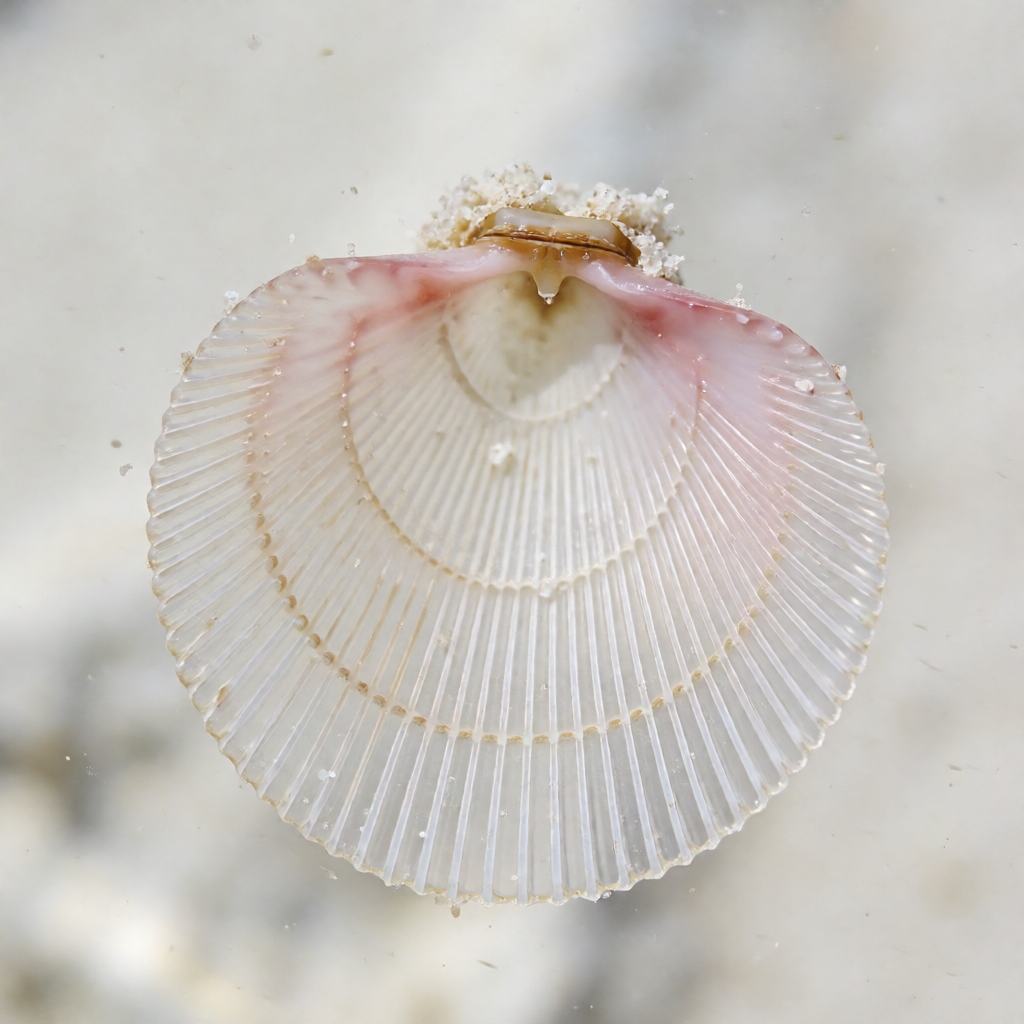
The mouche wink is a very small bivalve. Its two thin, white, fan-shaped shells are only a couple of centimetres across. Its shell is so thin that it is almost clear. It is marked with a fine, delicate pattern of the ribs. Those ribs run from the hinge to the edge.
Its two valves are almost the same. Its hinge is small and short. The whole animal is built for a life just under the surface of the open sand. The body inside is small. Its two thin, muscular feet are the structures that the animal uses to dig into the sand.
It buries itself just under the surface of the sand. It sinks deeper at once when the water is stirred. The species is one of the thin, light bivalves. It is the one that gives the fine, shelly sand its character.
1
2
3
The fine open sand
Where it lives
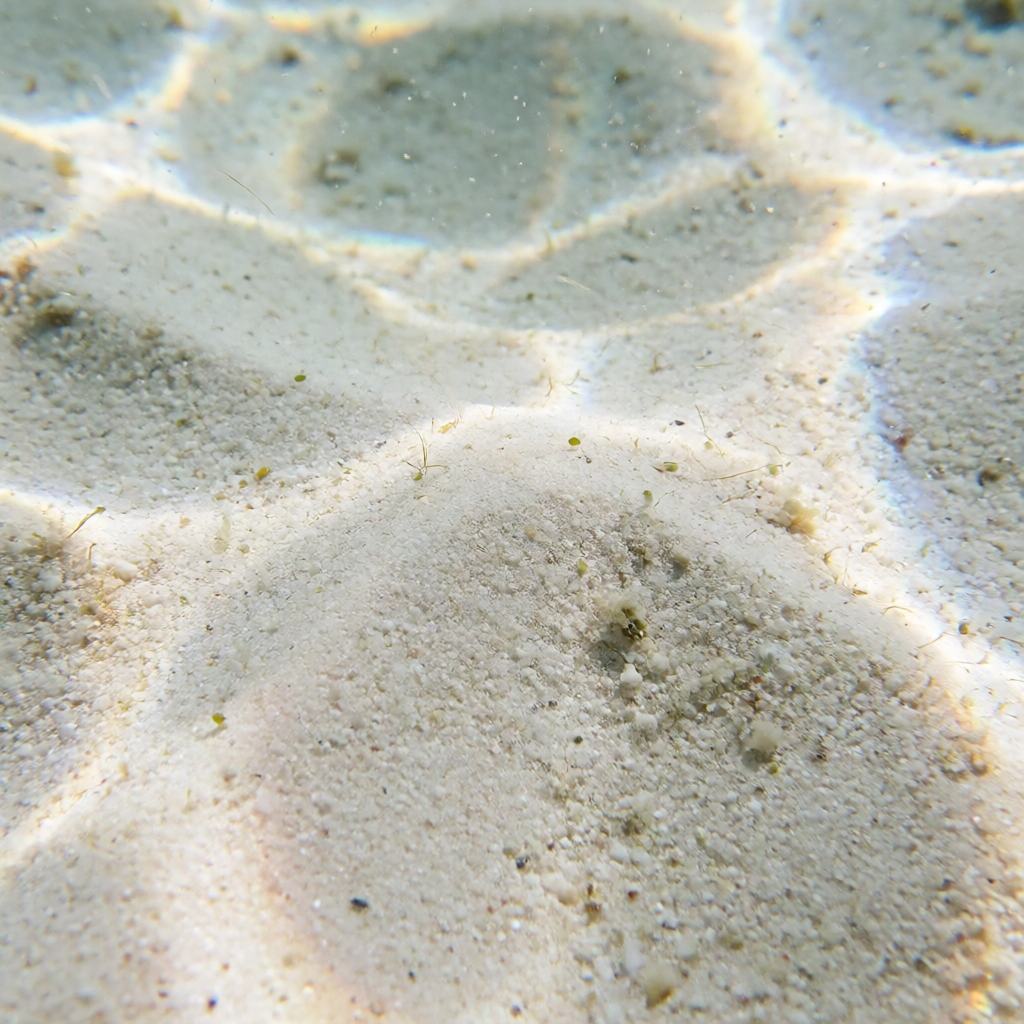
The mouche wink lives in the open, shelly and sandy ground of the shallow sea. It is a creature of the soft, fine bottom. That stretches from just under the edge of the wave down to the deeper water of the shelf. It will bury itself just under the surface of the sand.
It will pull itself down in a moment when the water is disturbed. The species is one of the commonest of the small shellfish of the shallow bottom. It is found along the coast of Europe. It stretches from the water off the British Isles down to the sandy ground of the south.
The animal will live in the fine sand that the waves have spread out in the open. It will not take to the heavy, muddy, stony ground that the other bivalves will. The mouche wink is one of the marks of the open, shelly, sandy flat.
A filter of the drifting plankton
What it eats
The mouche wink is a filter feeder. It takes the fine plankton. It also takes the small bits of the organic matter that drift over the open bottom. It will sit just under the surface.
It will filter the water that comes over it with the two thin, fan-shaped gills. The food is the small, drifting plant and animal of the water. The whole diet is one that is taken in the open, shelly, sandy ground where the plankton is most common. The animal is a slow, patient feeder.
It will filter the water through the day and through the night. It will take the food that is in the water as it comes. The species is one of the small animals that keeps the water clear. It is one of the animals that the small fish and the crabs come to feed on.
Eggs freed to the water
The breeding cycle
The mouche wink breeds in the warm months of the spring and the summer. The male and the female release the sperm and the eggs into the open water. The two meet in the water. The egg will hatch into the small, swimming larva.
The larva will drift for a short time before it settles down on the open sand. The species is one that releases the eggs into the water. It is not one that carries the young. A single animal will release a small number of the eggs.
The larvae that will settle on the open sand are the ones that will grow into the next generation. The animal is one of the slow breeders. It will not live for more than a year or two in the open ground.
No threat, the mud is the risk
Conservation
The mouche wink is not in danger. It is one of the commonest of the small shellfish of the shallow sea. It does not appear on the list of the threatened bivalves. Its range is still as wide as it has been.
The one real threat is the digging of the open sand for the gravel. The mud that is washed down from the land does the same harm. The two will cover the fine, open ground that the animal lives on. The species is one that the crabs and the small fish come to feed on.
It is one of the small animals that gives the open bottom its character. The mouche wink is a useful marker of the open, shelly, sandy flat. It will not come back to the ground that has been covered by the mud.
Quick hits
Five things to remember
- The two thin, white, fan-shaped shells are only a couple of centimetres across. Their broken bits make up a great share of the shelly sand.
- The animal buries itself just under the surface of the sand. It will drop lower in a moment when the water stirs.
- The species helps keep the water clear. Small fish and crabs both come to feed on it.
- The mouche wink marks the open, shelly, sandy flat well. It will not return to ground that has been covered by the mud.
- The one real threat is the digging of the open sand for the gravel, and the mud that is washed down from the land.