 By st20113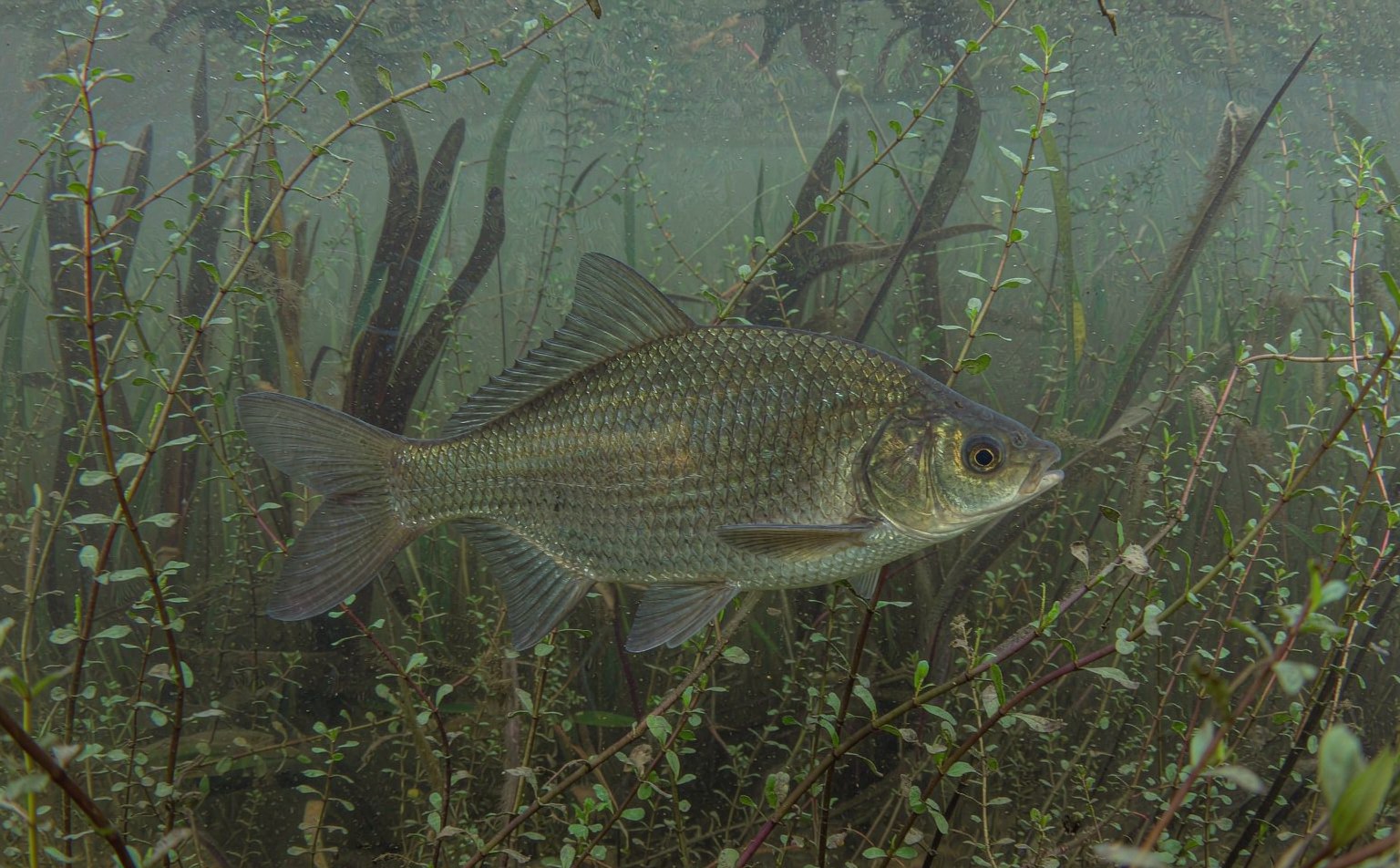
Carassius gibelio | Prussian Carp
Introduction
The Prussian Carp (Carassius gibelio) is a hardy, adaptable member of the carp family that thrives in ponds, lakes, slow rivers and even warm, low-oxygen waters where few other fish cope. A close relative of the goldfish and of the Crucian Carp, it is famously tolerant and has spread widely, sometimes at the expense of native species. Reaching 20 to 40 centimetres, it is a drab, deep-bodied fish that rewards a second look: in many populations the females reproduce without males, cloning themselves in a quiet biological trick. It is both a valued pond fish and, where introduced, a noted invader.
Taxonomy
Carassius gibelio sits in the carp family Cyprinidae within the genus Carassius, alongside the Crucian Carp and the domesticated goldfish. It was long treated as a form of the Crucian Carp and is still confused with it, but it is a separate, more elongate and less deep-bodied species. In parts of its range it hybridises with the Common Roach, producing sterile offspring that further blurs the picture for the unwary. Its closeness to the Crucian Carp is why the two are best told apart by body shape and scale counts.
Physical Characteristics
Adults are deep-bodied but less squat than the crucian, with a fairly long, pointed head and a terminal mouth. The colour is usually brassy-green to grey on the back, silvery to golden on the flanks and pale below, though pond forms can look dark or almost black. The dorsal fin is long-based with a strong, slightly serrated leading ray, and the anal fin has a similar spine. Scales are large, with 27 to 32 along the lateral line. Most fish are 15 to 25 centimetres, but in warm, productive waters they can exceed 35 centimetres and weigh over a kilogram.
Habitat
Prussian carp occupy still and slow waters of almost every kind: village ponds, lakes, gravel pits, canals, ditches and the backwaters of lowland rivers. They are unusually tolerant of extremes—high temperature, low oxygen, turbidity and mild salinity—which lets them colonise waters others abandon. They prefer vegetation and soft bottoms where they can forage, and they often live alongside the Rudd and other hardy cyprinids. Their resilience is precisely what makes them such successful colonists when moved beyond their native range.
Diet
The species is an omnivore and a generalist, feeding on a mix of plant matter, algae, insect larvae, small crustaceans, molluscs and detritus taken from the bottom and from weeds. In ponds it grazes heavily on algae and can stir the sediment while feeding, which sometimes clouds the water. This broad diet is part of its success, letting it persist where specialists starve. It is itself prey for larger predatory fish and for fish-eating birds, closing a loop in the pond food web.
Reproduction
Reproduction is where Prussian carp are remarkable. In many populations all individuals are females that lay eggs triggered to develop by the sperm of a related carp—usually a roach—without the father’s genes being included, so the young are clones of the mother. Spawning runs in late spring and summer over vegetation in warm, shallow water, and a female may produce tens of thousands of eggs. Where no host sperm is available, some populations can also reproduce by gynogenesis or, rarely, by true sexual means. The young hatch quickly and grow fast in warm ponds.
Conservation
Native populations are generally stable, but the species is regarded as invasive where it has been introduced outside its original range, including across much of Europe. Its tolerance and clone-based reproduction let it build huge numbers that outcompete native fish, degrade wetlands and reduce aquatic plants through heavy grazing. Management favours preventing further spread, avoiding stocking of ponds that connect to wild waters, and, where needed, control by removal. For pond-keepers it remains a tough, undemanding fish, but in the wild its spread is a cautionary tale of moving wildlife around.
Fun Facts
- Many populations are all-female and clone themselves using another fish’s sperm.
- It tolerates warm, low-oxygen and even slightly salty water better than most fish.
- It is the wild relative closest to the familiar goldfish.
- It is easily confused with the Crucian Carp but is more elongate.
- Outside its home range it can overrun ponds and displace native species.