 By st20113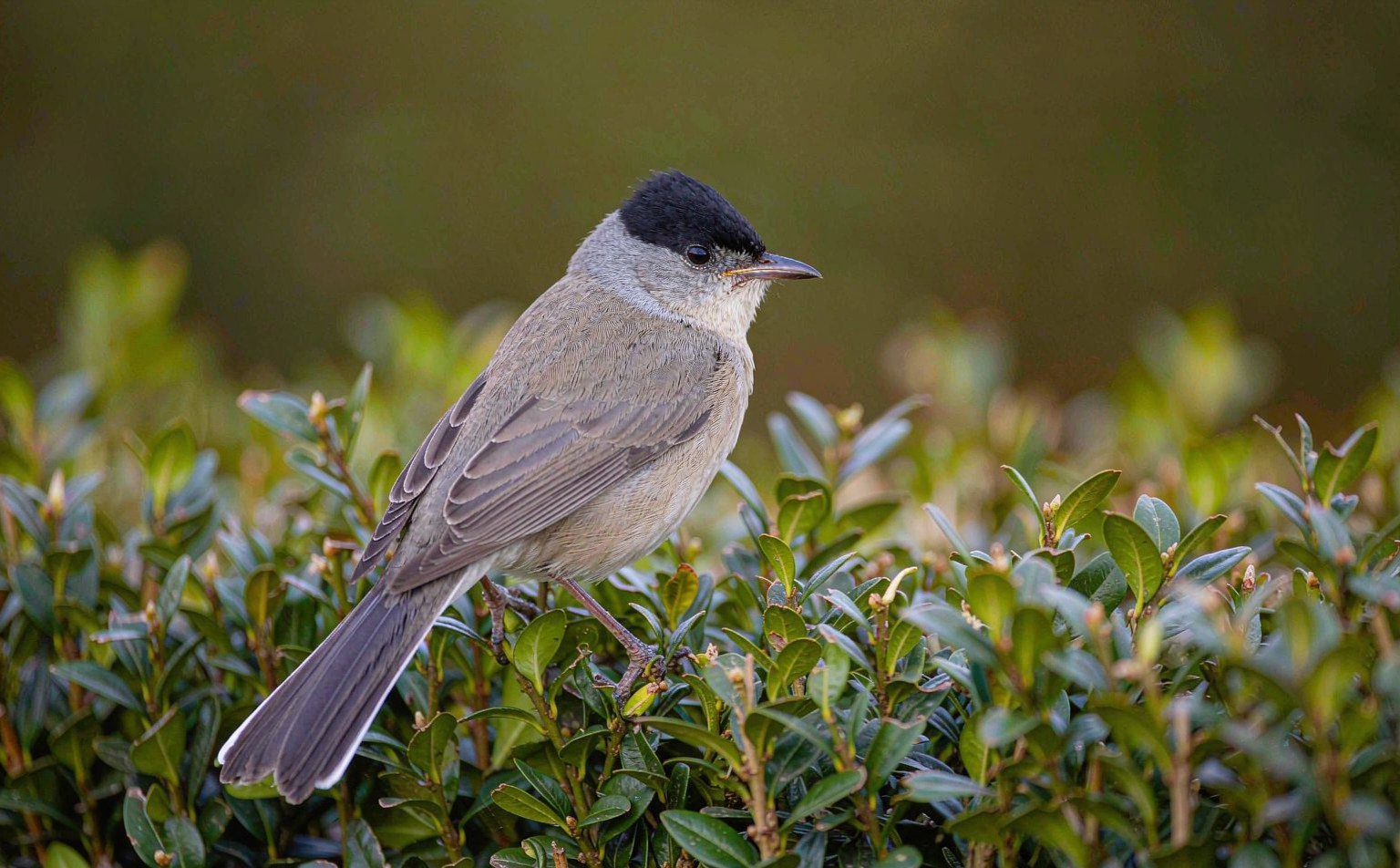
Sylvia atricapilla | Eurasian Blackcap
Introduction
The Eurasian Blackcap (Sylvia atricapilla) is a neat, rather plain warbler best known for the male’s glossy black cap, set against otherwise grey-green and pale grey plumage. A bird of woodland and gardens, it has one of the richest, most melodious songs among European warblers, often heard from deep cover in spring. Long considered a strictly southern and migratory species, it has in recent decades pioneered a remarkable new route, with many birds now wintering in British gardens instead of the Mediterranean.
Adaptable and increasingly familiar at bird feeders, the blackcap bridges the wild woodland and the suburban garden. It shares the summer canopy with relatives such as the Sedge Warbler, though the blackcap is the more robust and less reed-bound of the two.
Taxonomy
The Eurasian Blackcap belongs to the genus Sylvia, the typical warblers, within the family Sylviidae. It was first described by the Swedish naturalist Carl Linnaeus in 1758 under the binomial Motacilla atricapilla, and later placed in Sylvia. The genus name is the Latin for a woodland nymph, fitting for these scrub-and-tree warblers, while atricapilla means “black-haired”, describing the male’s cap.
It is part of a closely related group of Sylvia warblers that includes the garden warbler, with which the blackcap was long confused because of their similar plain plumage. The two are best separated by the blackcap’s dark cap and by song, the blackcap’s being fuller and more flute-like than the garden warbler’s faster, more monotonous warble.
Physical Characteristics
An adult Eurasian Blackcap measures 13 to 15 centimetres in length, with a wingspan of 20 to 23 centimetres and a weight of 16 to 25 grams. The male has a striking black crown and nape, a grey face and nape-side, olive-grey upperparts, and pale grey to whitish underparts. The female lacks the black cap, wearing instead a warm reddish-brown one, and is otherwise similar but browner overall.
The bill is slender and dark, the eye dark, and the legs grey. Juveniles resemble females but have softer, browner caps that darken with age. In the hand the blackcap can be separated from the very similar garden warbler by its slightly larger size, rounded tail tip, and the darker, greyer tones of the male’s head.
Despite its modest appearance, the blackcap is a strong flier, and the western European population has evolved the habit of crossing the North Sea to winter in gardens rather than flying south.
Habitat
Blackcaps breed in deciduous and mixed woodland, orchards, tall hedgerows, and overgrown gardens, favouring places with a dense low canopy and plenty of shrubs. They are at home in both wild coppice and suburban greenery, and they have prospered as planted conifers and gardens have spread across the European landscape.
On migration and in winter the species uses a wider range of habitats, including Mediterranean scrub, North African woodlands, and, increasingly, the bird-feeding gardens of north-western Europe. Where they winter in gardens, blackcaps feed on berries and suet and roost in hedges and ivy. They avoid treeless farmland and high open mountains, preferring the wooded and shrubby edges that also suit the Common Blackbird and the Great Tit.
Diet
The Eurasian Blackcap is an omnivore that shifts with the seasons. In spring and summer it feeds mainly on insects and other small invertebrates, gleaned from leaves and twigs or caught in short sallies, including caterpillars, flies, beetles, and aphids that are important for feeding nestlings.
For the rest of the year it turns largely to fruit, especially berries such as elder, ivy, honeysuckle, and rowan, and in winter gardens it takes apple pieces, raisins, and suet from feeders. This flexibility has helped it exploit new foods and new wintering areas. The species’ taste for soft fruit links it ecologically to ground-dwellers such as the Garden Snail‘s habitat, though the warbler itself takes snails only occasionally.
Reproduction
Blackcaps build a tidy, open cup nest low in a shrub, hedgerow, or bramble, woven from grass, roots, and cobwebs and lined with fine material. The female lays four to six eggs, pale with darker speckles, and incubates them for about 11 to 12 days while the male helps feed the chicks. The young fledge at roughly 11 to 12 days and are fed by both parents for a short period after leaving the nest.
Pairs are generally monogamous for the season, and the male’s song, delivered from a concealed perch, is central to holding territory and attracting a mate. Because the nest is well hidden but low, it suffers some predation, yet the blackcap’s high productivity and broad diet keep populations healthy across most of its range.
Conservation
The Eurasian Blackcap is listed as a species of Least Concern by the International Union for Conservation of Nature, with a large and in many regions increasing population. The spread of forestry, orchards, and garden planting has expanded suitable habitat, and the adoption of wintering in north-western Europe has opened a new front for the species’ success.
Potential concerns include the effects of climate change on the timing of insect peaks and fruit availability, and the loss of scrub and hedgerow in intensively farmed areas. So far these have not checked the blackcap’s growth, and it remains one of the more adaptable members of the European warbler family, thriving at the meeting point of wild woodland and human habitation.
Fun Facts
- Male blackcaps wear a jet-black cap, but females wear a chestnut-brown one instead.
- Many central European blackcaps have changed their migration, now flying west to winter in British gardens rather than south to the Mediterranean.
- The blackcap’s song is so rich and flute-like that it was once known as the “northern nightingale”.
- It was historically confused with the plainer garden warbler until the two were separated by voice and cap colour.
- In winter gardens, blackcaps will readily eat apple pieces, raisins, and suet from feeders.