 By st20113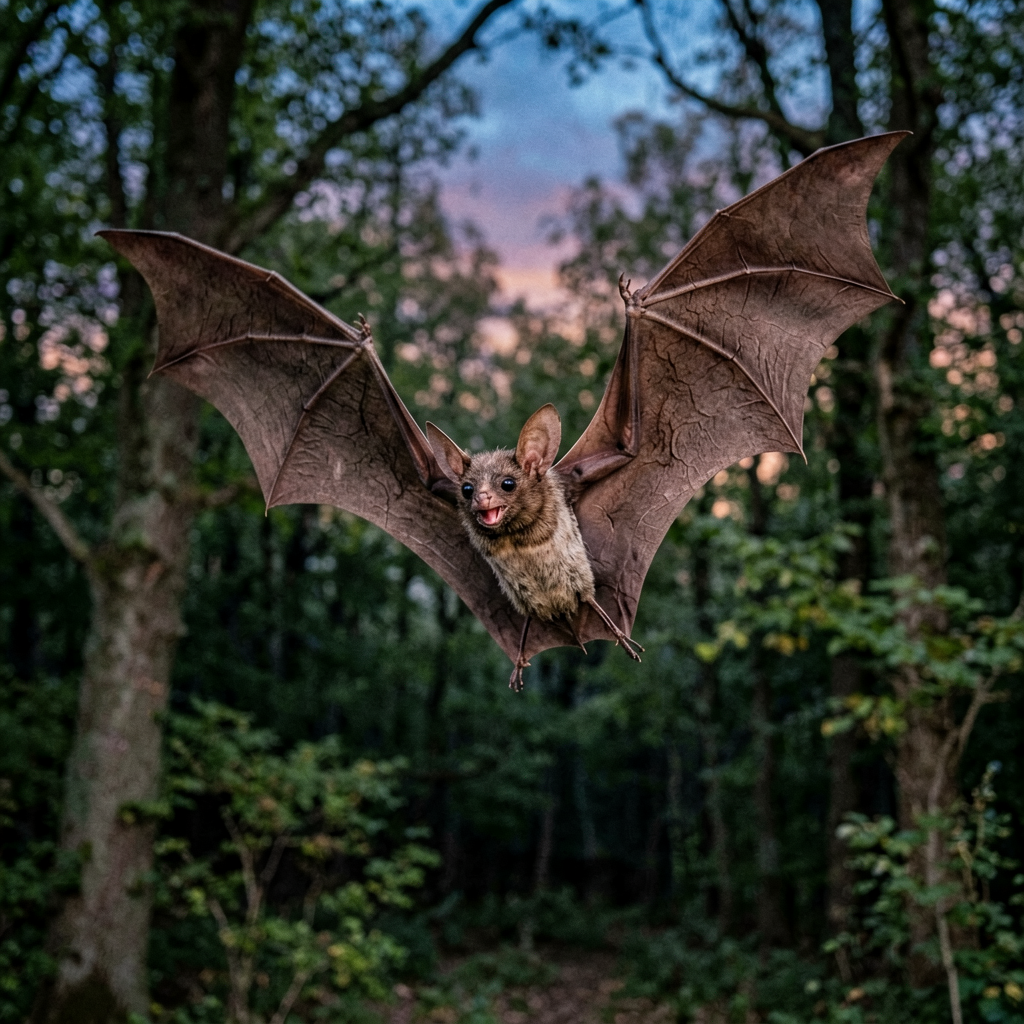
Introduction
The Lesser Noctule is a mammal species found throughout parts of Europe, from forested lowlands to open grasslands and wetland margins. Recognised for its distinctive appearance and ecological role, the lesser noctule has long been studied by naturalists and conservationists alike. Seasonal shifts in behaviour, plumage or pelage, and habitat use reflect the species’ close adaptation to its environment. Whether observed foraging at dawn, perching conspicuously, or retreating to shelter at dusk, the lesser noctule exemplifies the diversity of European wildlife and its intricate ecological connections.
Taxonomy
The Lesser Noctule belongs to a well-defined genus within its family, reflecting its evolutionary history across the Palearctic region. Molecular studies have clarified its phylogenetic relationships with closely related species, revealing patterns of divergence shaped by glacial cycles and habitat fragmentation. Regional subspecies may exhibit subtle morphological differences, particularly in plumage colouration or body size, though these are often clinal rather than discrete. The taxonomic status of the lesser noctule continues to be refined through integrative approaches combining genetics, morphology, and bioacoustics.
Physical Characteristics
The Lesser Noctule displays a suite of morphological traits adapted to its ecological niche. Body mass, wing loading, beak morphology, and colouration all vary according to sex, age, and season. Males and females may differ in size or ornamentation, with sexual selection playing a role in some species. The lesser noctule typically exhibits cryptic or seasonally adaptive colouration, providing camouflage against predators while foraging or nesting. Field marks such as breast banding, wing bars, or tail patterns aid identification, particularly in mixed-species flocks or overlapping ranges with similar congeneric species.
Habitat
The Lesser Noctule occupies a range of habitats depending on season, life-history stage, and geographic location. Breeding territories are typically established in dense vegetation, near water bodies, or in mature woodland, offering cover and abundant food resources. Wintering grounds may extend to lower elevations, agricultural margins, or urban parks, where the lesser noctule exploits scattered food sources and sheltered roosting sites. Habitat connectivity and the availability of linear features such as hedgerows, river corridors, and forest strips are critical for movement between breeding and non-breeding areas.
Diet
Feeding ecology in the Lesser Noctule varies seasonally, with diet shifting from protein-rich invertebrates during the breeding season to seeds and berries in autumn and winter. Foraging strategies include gleaning from foliage, hovering, sallying from perches, and probing into crevices or mud. The lesser noctule plays an important role in insect population regulation and seed dispersal, linking trophic levels across its range. Competition with sympatric species for food resources is minimised through microhabitat partitioning and temporal separation of foraging activity.
Reproduction
Breeding in the Lesser Noctule is tightly coupled to environmental cues such as photoperiod, temperature, and food abundance. Males establish and defend territories through song or display, attracting females to nest sites that provide protection from predators and adverse weather. Clutch or litter sizes reflect maternal condition and resource availability, with successive broods possible in productive years. Parental care is predominantly biparental, though in some species one sex bears the greater burden of incubation or provisioning. Post-fledging dependency varies, with some juveniles remaining with parents through their first winter.
Conservation
The Lesser Noctule faces mounting pressures from habitat loss, agricultural intensification, and climate change across much of its European range. Wetland drainage, forest clear-cutting, and pesticide use have contributed to population declines in sensitive species, while others have adapted to modified landscapes. Conservation interventions include habitat restoration, creation of wildlife corridors, and targeted management of key sites. Public awareness and citizen science initiatives have enhanced monitoring capacity, providing valuable data for evidence-based conservation planning and policy development.
Fun Facts
The Lesser Noctule has fascinated observers for centuries, featuring in folklore, art, and scientific illustration across Europe.the red fox, the European hedgehog, and the common pipistrelle frequently coexist with the lesser noctule across shared landscapes, creating complex ecological communities. Naturalists and wildlife photographers consistently find new dimensions of interest in this species’ daily life, social structure, and ecological role.