 By st20113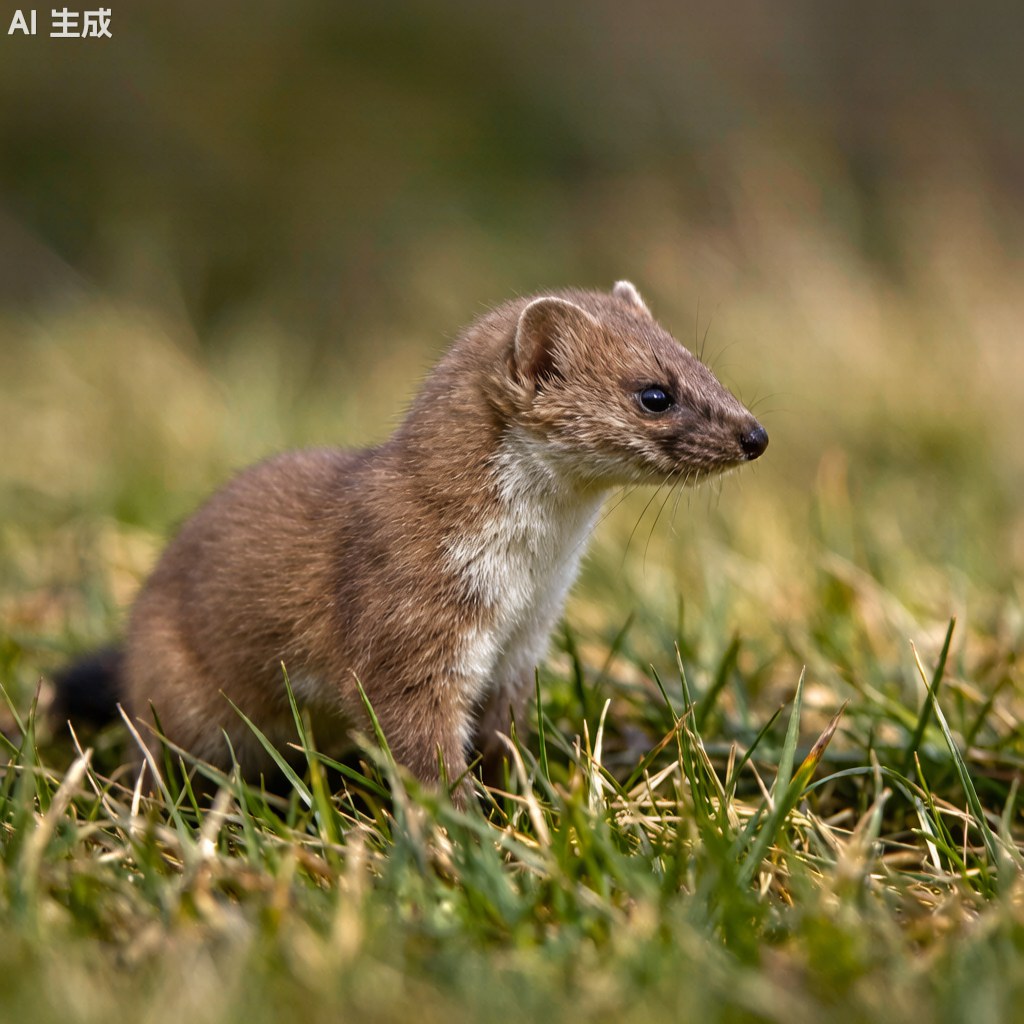
Introduction
The stoat, scientifically named Mustela erminea, is a small but fierce carnivorous mammal belonging to the weasel family. Found across Europe, northern Asia, and North America, it inhabits woodlands, grasslands, wetlands, and even Arctic tundra. Famous for its slender body and explosive hunting style, the stoat can overpower prey much larger than itself. In northern regions its brown summer coat turns brilliant white in winter, a seasonal change that inspired the historic name “ermine.”
Taxonomy
The stoat is a member of Mustelidae, the diverse family that also contains the European badger and the otter. Within the genus Mustela, it is closely related to the weasel and the least weasel, but the stoat is distinguished by its larger size and the black tip on its tail. Its winter white phase, known as ermine, was once highly prized for royal and ceremonial robes throughout medieval Europe.
Physical Characteristics
A stoat has a long, slim body measuring 17 to 32 centimeters, with a tail of 6 to 12 centimeters tipped in black, and weighs 70 to 450 grams depending on sex and region. Males are noticeably larger than females. Its coat is reddish brown above and white below in summer. In snowy climates the pelage turns white except for the black tail tip, which may help confuse predators. Short legs, a pointed face, and keen senses make it a swift, relentless hunter.
Habitat
Stoats occupy a remarkably wide range of habitats, from deciduous and coniferous forests to farmland, hedgerows, moorland, and coastal dunes. They prefer areas with plentiful small-mammal prey and good ground cover for stalking. Although they climb and swim well, they hunt mainly on the ground. Each animal uses several dens, often taking over the burrows of the voles and rabbits it prey upon, and marks its territory with musk from scent glands.
Diet
Small mammals dominate the stoat’s diet, especially voles, mice, and rabbits. It is renowned for the “weasel war dance,” a confusing display that mesmerizes prey before the kill. Birds, eggs, insects, and carrion are eaten when available. A single stoat can tackle a rabbit many times its own weight by biting the neck. To meet its high metabolic demand, it may eat a third of its body mass daily, hunting tirelessly through dawn and dusk. Populations rise and fall with the abundance of rodents, peaking during vole outbreaks and collapsing when prey grows scarce. In lean years, stoats roam far in search of food, even entering gardens, barns, and hen houses for easy meals. Despite their small size, they are bold enough to raid poultry runs and will cache surplus kills. Their restless energy and curiosity make them among the most active hunters of the mustelid family.
Reproduction
Stoats have a fascinating reproductive quirk: females undergo delayed implantation, mating in summer but delaying embryo development so cubs are born the following spring. After a total gestation of around ten months, litters of four to twelve kits are born blind in a grass-lined nest. The mother raises them alone, and the young disperse at about three months. Females can breed in their first year, while males typically wait until their second.
Conservation
Widely distributed and adaptable, the stoat is classified as Least Concern by the IUCN. However, in some regions it faces pressure from habitat fragmentation, rodenticide poisoning, and control programs protecting game birds. In New Zealand it is an invasive pest that devastates native birds, where intensive eradication is underway. Across its native European range, healthy populations persist wherever prey and cover remain abundant.
Fun Facts
The black tip on a stoat’s tail is thought to distract predators by drawing attention away from the body. In winter white coat, the animal is called ermine and was once woven into royal coronation cloaks. Stoats can leap and twist with astonishing agility to tire out rabbits before the final strike. They sometimes store surplus food in caches for lean periods. A startled stoat may stand on its hind legs to survey the surroundings like a tiny sentinel.