 By st20113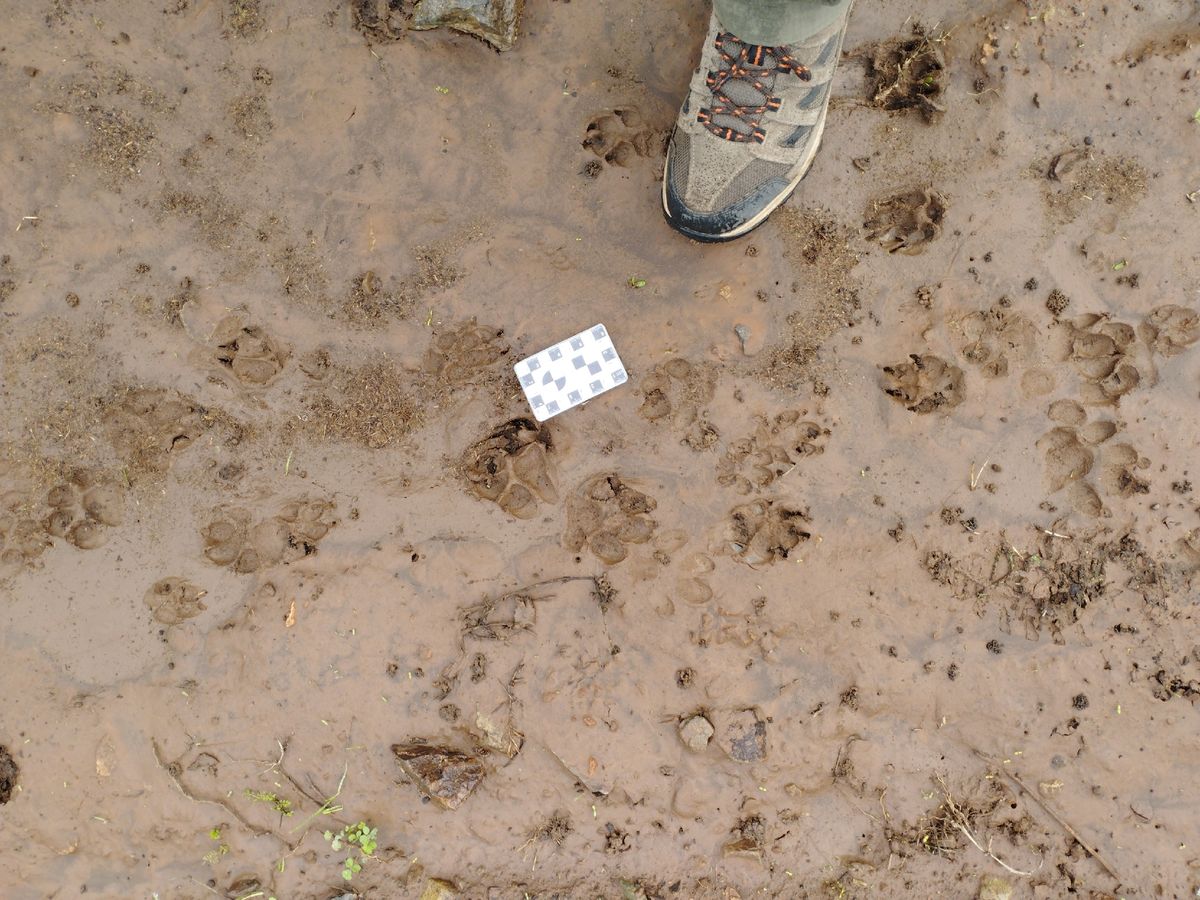
Introduction
The Wolf (Canis lupus) is the largest wild member of the dog family and one of the most influential predators in the northern hemisphere. Once feared and persecuted across Europe, it is now returning to many regions as forests recover and legal protection takes hold. A highly social animal that lives and hunts in family packs, the wolf sits at the top of the food chain and helps shape the ecosystems around it by controlling populations of large herbivores. Its howl is among the most iconic sounds of the wild, evoking both deep fear and enduring fascination in the human imagination.
Taxonomy
Wolves belong to the family Canidae, alongside dogs, foxes, and jackals. Described by Linnaeus in 1758, Canis lupus has many subspecies across its historic range, including the familiar grey wolf of Eurasia and the now-extinct dire wolf’s close cousins. The domestic dog is simply a domesticated form of the wolf, making it our closest wild relative among large carnivores.
Physical Characteristics
Adult wolves stand 60 to 90 centimeters at the shoulder and weigh 25 to 50 kilograms depending on region, with northern individuals generally larger. The coat is usually grey but ranges from near-white to black, thick and insulating against cold. Wolves have long legs built for endurance, large rounded paws that act like snowshoes, erect triangular ears, and a bushy tail. The elongated muzzle and powerful jaws deliver a crushing bite suited to subduing big prey.
Habitat
Wolves occupy an extraordinary variety of habitats: boreal forest, temperate woodland, mountains, open tundra, grasslands, and semi-desert. They need large territories with enough prey and minimal human disturbance, though they are increasingly adapting to landscapes near farms and villages. Packs defend home ranges that can span hundreds of square kilometers, marking boundaries with scent and howls that carry for kilometers. They generally avoid dense human settlement but can travel through it under cover of night when moving between distant territories, a skill that aids their recent return to populated regions.
Diet
Wolves are apex predators that feed mainly on large hoofed animals such as deer, wild boar, moose, and chamois, which they hunt cooperatively as a pack. They also take smaller mammals, carrion, and occasional livestock where wild prey is scarce. In lean seasons a pack may follow herds for days, testing the weakest members before launching a coordinated rush. Hunting strategy relies on teamwork, stamina, and communication rather than sheer speed. They share the carnivore niche with smaller relatives like the Red Fox, but wolves take far larger game and dominate any encounter. In northern forests they may overlap with the Brown Bear, the two often avoiding one another though bears will sometimes pirate wolf kills.
Reproduction
Typically only the dominant alpha pair in a pack breeds, a social system that strengthens group cohesion. After a winter mating, the female gives birth to four to six blind, helpless pups in a den, often a burrow or rock cavity. The whole pack helps feed and guard the pups, regurgitating meat and babysitting as the young grow. By autumn the pups join hunts and learn the complex social rules of the pack.
Conservation
Globally the wolf is Least Concern, and parts of Europe have seen dramatic recoveries thanks to protection and rewilding. Yet conflict with livestock keepers remains intense, and illegal shooting still occurs. Managing coexistence through compensation schemes, guarding dogs, and public education is the central challenge as wolves reclaim ground they have not occupied for generations.
Fun Facts
1. A wolf’s howl can travel up to ten kilometers on a still night and helps reunite scattered pack members. 2. Wolves can trot for hours and cover more than fifty kilometers in a single day. 3. Each pack has a strict social hierarchy led by the alpha pair. 4. The domestic dog shares more than ninety-nine percent of its DNA with the wolf. 5. Wolves communicate through an elaborate mix of vocalizations, body postures, and scent marks.