 By st20113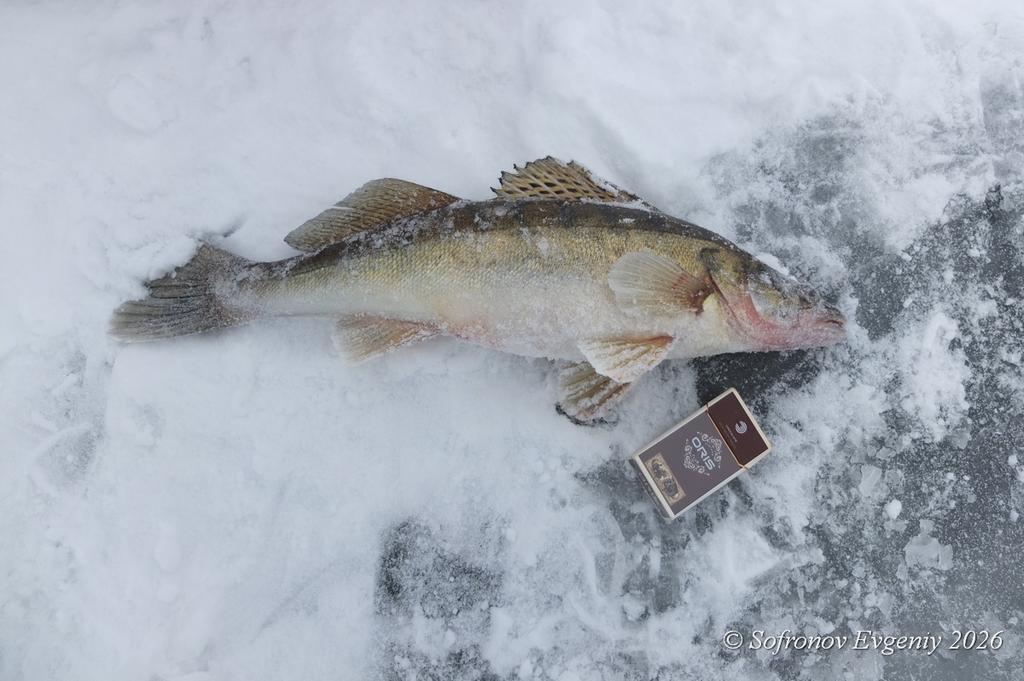
Introduction
The Zander (Sander lucioperca), also known as the Pike Perch, is one of Europes largest and most prized freshwater predators, a member of the perch family that combines the powerful build of a pike with the schooling behavior of a perch. Reaching 50 to 70 cm and 5 to 10 kg in most populations with the world record exceeding 20 kg, it is a formidable sight in the murky waters of European lowland rivers, lakes, and canals. Its keen eyesight and explosive hunting speed make it one of the most challenging freshwater fish for anglers.
Taxonomy and Evolution
The Zander belongs to the family Percidae which includes perch and ruffe, and the genus Sander. It is one of five species in this genus with its closest relatives being the American walleye and the Dusk Perch. It was first described by Linnaeus as Perca lucioperca in 1758 and later moved to the genus Sander. The genus name is derived from the German Zander and the species name lucioperca means pike-perch. Genetic studies reveal two main lineages, a western and eastern clade, reflecting the post-glacial colonization of European freshwater systems.
Physical Characteristics
Zander have an elongated laterally compressed body, typically 50 to 100 cm long and weighing 2 to 12 kg, with a maximum recorded length of 130 cm and weight of 20 kg. The body is silvery-green to olive on the back, silvery on the flanks, and white below, with 8 to 12 dark vertical bars on the upper flanks. The dorsal fin is divided into two parts: a spiny anterior section and a soft-rayed posterior section with a distinctive black patch at the base of the soft dorsal. The eyes are large and reflective, uniquely adapted for low-light vision by having a tapetum lucidum layer that reflects light back through the retina.
Habitat and Distribution
Zander inhabit lowland rivers, lakes, reservoirs, gravel pits, and canals with clear to slightly turbid water and abundant prey fish. They prefer moderate currents and are most active at dawn and dusk, avoiding bright sunlight in favor of murky water conditions where their excellent low-light vision gives them a competitive advantage over other fish. Their range spans from Western Europe east to the Caspian Sea, Aral Sea, and Lake Balkhash. They have been widely introduced outside their native range for sport fishing, including England where they are considered a prized but controversial addition to the coarse fish fauna.
Diet and Feeding Behavior
Zander are ambush predators that hunt primarily in low light conditions. They feed almost exclusively on other fish, particularly cyprinids, perch, and roach, stalking prey and engulfing it in a single explosive strike. A large zander can consume fish up to 30 percent of its own body weight per week. Their nocturnal hunting is facilitated by highly sensitive eyes adapted to near-darkness, and they can locate prey in water so murky that other fish are effectively blind. In reservoirs with abundant prey they form loose schools that patrol submerged structure such as fallen trees and submerged vegetation.
Reproduction and Life Cycle
Zander spawn in spring from April to June when water temperature reaches 12 to 14 degrees Celsius. Males prepare a nest by clearing a shallow depression in sand or gravel on the lake or river bottom, often near submerged structure. After the female deposits 200,000 to 1 million adhesive eggs in the nest, the male guards them aggressively until they hatch in 8 to 14 days. He continues to protect the fry for several weeks keeping them in a tight ball and driving away any potential predators. Zander reach sexual maturity at 3 to 4 years and can live for 15 to 20 years.
Conservation Status
Listed as Least Concern with a stable population across most of its native range. However, in some parts of its introduced range, particularly England, it is considered a potential threat to native fish communities because of its efficient predation on small fish. In its native range the zander has faced habitat degradation from river engineering, pollution, and the construction of dams that block spawning migrations. The fishs sensitivity to pollution and low oxygen makes it a useful indicator of river health. Anglers are the primary consumers and the species is an important component of commercial and recreational fisheries across Central and Eastern Europe.
Fun Facts
The zanders tapetum lucidum, the reflective layer in its eyes, gives it a distinctive greenish eye-shine at night when illuminated by a torch, much like a cats eyes. This exceptional night vision allows it to hunt effectively in conditions so dark that other fish are effectively blind, giving it a predatory advantage in murky lowland European rivers and lakes. World records for zander exceed 20 kg and 130 cm making it one of the largest freshwater fish in Europe and a trophy species for pike-perch anglers. In medieval Europe zander was considered a royal fish and restrictions prohibited common people from eating it.