 By st20113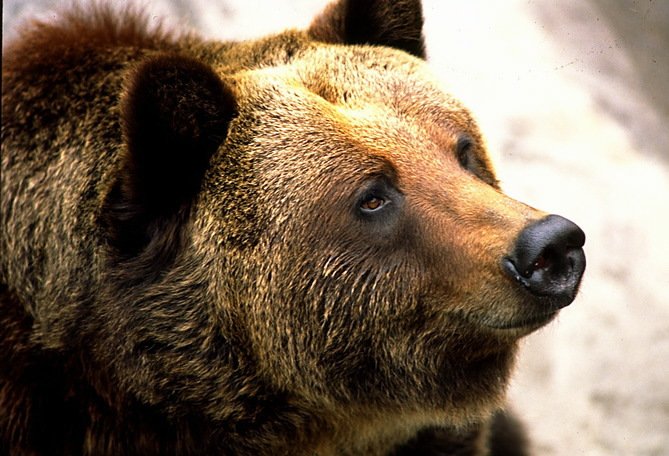
Introduction
The brown bear (Ursus arctos) is one of the largest terrestrial carnivores in the world, found across North America, Europe, and Asia. Often called the grizzly bear in North America, this species displays remarkable adaptability to diverse habitats from Arctic tundra to temperate forests. Brown bears are solitary animals except during mating season or when mothers are raising cubs. They are omnivorous, with a diet that varies dramatically with seasonal availability. Despite their fearsome reputation, brown bears prefer to avoid human contact whenever possible. polar bear gray wolf red fox
Taxonomy
Brown bears belong to the family Ursidae within the order Carnivora. The species Ursus arctos exhibits considerable morphological variation across its range, leading to numerous subspecies recognition. The North American subspecies, U. a. horribilis (grizzly bear), and the Kodiak bear (U. a. middendorffi) of Alaska represent the largest populations. Genetic studies have clarified that brown bears and polar bears continue to interbreed where their ranges overlap, producing viable offspring known as pizzly bears.
Physical Characteristics
Adult brown bears exhibit a massive, stocky build with a distinctive shoulder hump formed by powerful trapezius muscles. Fur colour ranges from blonde to nearly black, with the iconic “grizzled” silver-tipped fur giving the species its common name. Adults typically weigh between 130 and 700 kilograms depending on sex, season, and food availability. The head is relatively small compared to the body, with a straight facial profile and small, rounded ears. Exceptional sense of smell and keen hearing compensate for relatively poor eyesight.
Habitat
Brown bears occupy an extraordinary diversity of habitats across their Holarctic range. In North America they are found in Alaska, Canada, and small populations in the contiguous United States, primarily in mountainous and forested regions. European populations persist in Scandinavia, the Carpathians, and portions of the Balkans. Asian populations inhabit Russia, Mongolia, China, and the Himalayas. Key habitat requirements include adequate cover for denning, access to spawning rivers for salmon, and vast territories to support their solitary lifestyle.
Diet
Despite classification as carnivores, brown bears are among the most omnivorous of all bear species. Their diet shifts dramatically with the seasons: early spring sees consumption of roots, tubers, and overwintered carrion; summer brings berries, insects, and small mammals; autumn focuses on fat-rich foods like nuts and acorns. In coastal regions, spawning salmon provide a critical source of protein, with some bears developing specialized techniques to catch fish. Bears may consume up to 30 kilograms of food daily during hyperphagic periods before winter denning. polar bear
Reproduction
Brown bears have one of the lowest reproductive rates of any North American mammal. Females reach sexual maturity between four and seven years of age and typically produce litters of one to three cubs every two to four years. Mating occurs in late spring to early summer, but females exhibit delayed implantation, with embryos not implanting until autumn. Cubs remain with their mothers for two to four years, during which time females do not reproduce. This extended maternal care is critical for cub survival, as young bears learn essential foraging and survival skills.
Conservation
Brown bears face significant threats across much of their range, including habitat loss from agricultural expansion, human-wildlife conflict, and targeted hunting. Despite these pressures, the species has recovered remarkably in some regions following protective legislation. Russia’s massive bear populations represent a significant global reservoir. In Europe, the species is recovering in countries like Germany and France where it was previously extirpated. Human-bear conflict mitigation, including secure food storage and proper garbage management, remains essential for coexistence.
Fun Facts
Brown bears can reach running speeds of up to 50 kilometres per hour despite their massive size. A hibernating bear’s heart rate drops from 40 beats per minute to as few as 8 beats per minute. The oldest known wild brown bear lived to 39 years of age. Brown bears have been observed using rocks and logs as tools, and some populations display learned behaviours passed down across generations. Their front claws can exceed 10 centimetres in length, making them formidable excavators capable of digging dens up to two metres deep.