 By st20113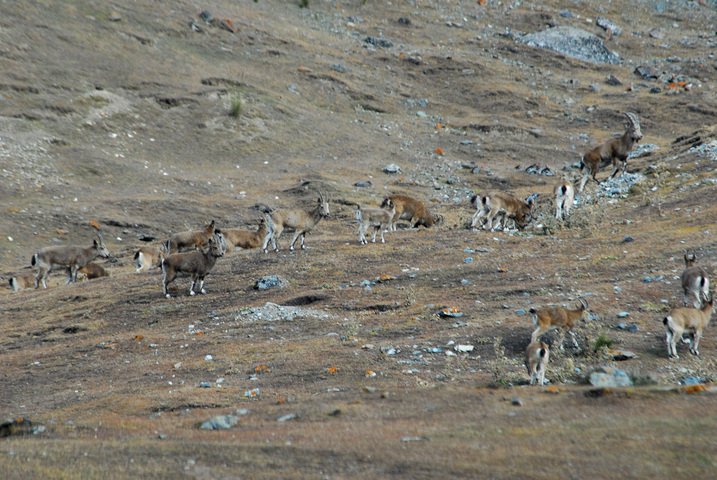
Introduction
The Alpine ibex is a wild goat superbly adapted to the steep, rocky cliffs of the European Alps. Famous for its enormous, backward-curving horns, the male ibex is an emblem of high mountain wilderness. Once reduced to a single population of fewer than one hundred animals, the species has been rescued from the brink through decades of protection and reintroduction, making it one of conservation’s great success stories and a source of regional pride.
Taxonomy
The Alpine ibex belongs to the genus Capra, which includes wild goats and their domestic relatives. Its scientific name Capra ibex distinguishes it from other ibex species such as the Nubian and Siberian ibex. The domestic goat shares the same genus, as does the imposing markhor of Central Asia. Genetic studies place the Alpine ibex within a cluster of Western Eurasian caprines that also includes the domestic sheep, though ibex are specialized for vertical, rocky terrain rather than open pasture.
Physical Characteristics
Male Alpine ibex are robust animals weighing up to one hundred kilograms, with horns that can exceed one meter in length and bear prominent ridges marking each year of growth. Females are smaller and bear shorter, more slender horns. Their coat is brownish gray in summer and pale, thick, and woolly in winter, providing insulation against alpine cold. Specially adapted hooves have a hard outer rim and a soft, grippy sole that functions like a climbing shoe on near-vertical rock. Keen balance and powerful hindquarters allow them to leap across chasms with astonishing precision.
Habitat
Alpine ibex inhabit rugged mountain terrain from the treeline up to the permanent snow, often above three thousand meters in summer. They favor south-facing cliffs and ledges that offer both grazing and escape from predators. In winter they descend to lower rocky slopes where wind clears the snow from forage. Their sure footing lets them exploit ledges unreachable by most animals. They sometimes share high meadows with the alpine marmot, another specialist of the montane zone that hibernates through the coldest months.
Diet
Ibex are selective browsers and grazers that feed on grasses, herbs, shrubs, and the tender shoots of alpine plants. In summer they take advantage of nutrient-rich meadows, building fat reserves for the lean season. In winter they scrape snow to reach buried vegetation and may browse conifer needles and lichens when fresh forage is absent. Like all ruminants, they ferment plant material in a multi-chambered stomach, allowing them to extract nutrition from coarse, fibrous mountain vegetation that supports few other large mammals.
Reproduction
The rut takes place in early winter, when mature males engage in ritualized horn clashes to establish dominance and access to females. After a gestation of about twenty-three weeks, kids are born in late spring on sheltered ledges that protect them from cold and predators. A single kid is typical, though twins occur. Newborns are agile within hours and soon follow their mothers across precipitous terrain. Young males form bachelor groups, while females and offspring live in maternal herds until the next breeding season.
Conservation
The Alpine ibex is a celebrated recovery story. Hunted to near extinction by the nineteenth century, the entire surviving population descended from animals protected in Italy’s Gran Paradiso. Captive breeding and reintroduction across the Alps restored numbers to tens of thousands. Today the species is listed as least concern, though localized threats from climate change, disturbance, and disease persist. Protected parks and careful management ensure that this cliff-dwelling goat remains a living symbol of the high mountains.
Fun Facts
An ibex’s horns grow a new ridge each year, allowing scientists to estimate age by counting the rings. Males can climb near-vertical dam walls, a behavior first noticed when ibex began licking mineral-rich concrete. Their extraordinary balance lets them rest on ledges barely wider than their hooves. During the rut, clashes between rival males can be heard echoing across valleys. Perhaps most astonishing, ibex can survive at altitudes where the air holds less than half the oxygen found at sea level, thriving where few large mammals dare to venture.