 By st20113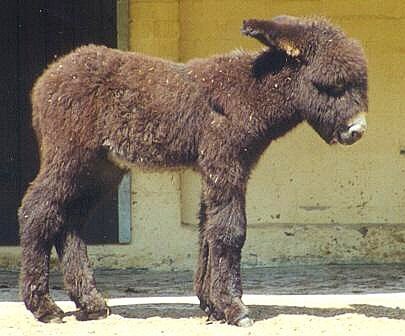
Introduction
The donkey, also called the ass, is a domesticated member of the horse family long valued as a pack animal, mount, and companion. Equus asinus descends from the African wild ass and was first tamed in northeastern Africa thousands of years ago. Stocky, sure-footed, and patient, donkeys have carried loads, turned mills, and pulled carts across deserts, mountains, and farms worldwide. Though often underestimated, they are intelligent animals with strong social bonds and a cautious, thoughtful nature.
Taxonomy
The donkey belongs to the genus Equus, the same genus as horses and zebras, within the family Equidae. Its wild ancestor is the African wild ass, Equus africanus. Domestic donkeys are classified as Equus asinus and include many breeds ranging from miniature to large draft types. Donkeys share a more recent common lineage with the zebra than with horses, and hybrids such as the mule, produced by crossing a donkey with a horse, have been prized for strength and endurance.
Physical Characteristics
Donkeys typically stand between ninety and one hundred sixty centimeters at the shoulder, with large draft breeds exceeding this. They have long ears that help dissipate heat and detect distant sound, a lean build, and tough hooves suited to rocky ground. The coat is usually gray, brown, or black, often with a dorsal stripe and shoulder cross. Donkeys are generally smaller and stronger relative to body size than horses, with a characteristic bray that carries far across valleys.
Habitat
Domestic donkeys live wherever people use them, from arid scrub and semi-desert to humid farms and mountainous villages. They tolerate heat and dry conditions remarkably well, owing to desert ancestry. Donkeys need shelter from wind and rain, regular hoof care, and companionship, as they are highly social. Left untended, they can become lonely or ill. In many regions they still work as beasts of burden on terrain where vehicles cannot pass. The yak fills a similar role in high Asia.
Diet
Donkeys are hindgut fermenters that eat grasses, hay, and browse such as shrubs and tree leaves. They are efficient foragers, needing less protein and more fiber than horses, and they are prone to obesity and laminitis if fed rich grain or lush pasture. Clean water, mature grass hay, and measured roughage keep them healthy. Because they evolved in sparse landscapes, donkeys thrive on modest, steady rations rather than abundant rich feed. Their cousins the dromedary camel and the Bactrian camel likewise endure arid hardship.
Reproduction
Jennies reach maturity around one to two years and carry a foal for about twelve months, longer than a horse’s gestation. Usually a single foal is born, already able to stand and nurse within hours. Foals stay close to the mother for several months and are weaned by six to eight months. Donkeys bond strongly with offspring and herd mates, and the careful, deliberate temperament of the mother shapes the foal’s confidence.
Conservation
Wild ancestors of the donkey, such as the African wild ass, are endangered, but domestic donkeys remain numerous, with tens of millions worldwide. Some historic breeds, however, have declined as machinery replaces draft animals. Welfare concerns arise where donkeys are overworked or poorly fed. Conservation groups promote humane treatment, sustainable breeding, and the preservation of distinctive traditional breeds valued by local communities.
Fun Facts
Donkeys have a renowned memory and can recall places and companions for decades. Their large ears can rotate independently to pinpoint sound. A donkey will often refuse a risky task rather than panic, a trait mistaken for stubbornness. The cross on the shoulders, visible in many donkeys, is a familiar marking steeped in folklore.
Donkeys possess a remarkable ability to survive on low-quality forage and require significantly less water than horses, making them invaluable in arid regions. Their bray, a distinctive vocalization that can carry for several kilometers, serves as a communication method across the open terrain they inhabit. Donkeys are increasingly valued as companion animals for horses, as their presence often has a calming effect and can prevent loneliness in singly-kept equines.