 By st20113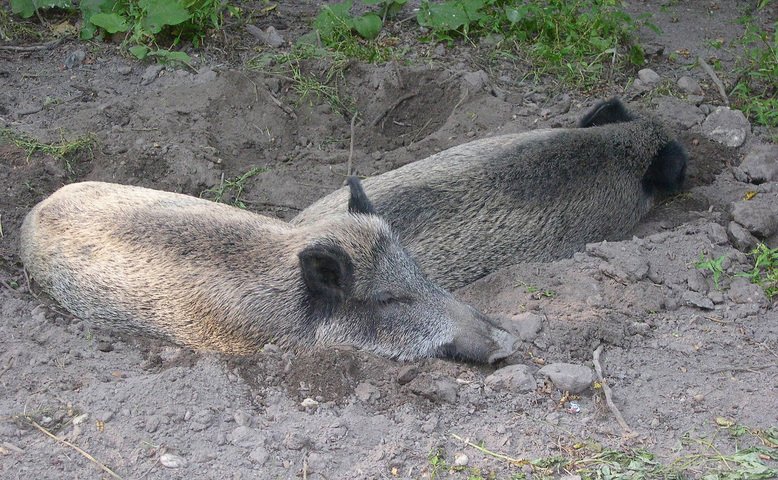
Introduction
The wild boar is a sturdy, wide-ranging pig species native to forests, wetlands, and grasslands across Europe, Asia, and North Africa, and introduced widely elsewhere. Sus scrofa is the wild ancestor of the domestic pig and remains one of the most adaptable large mammals on Earth. With its bristly coat, muscular build, and prominent tusks, the wild boar is a formidable forager that shapes ecosystems wherever it lives. Humans have both revered and hunted it for millennia.
Taxonomy
The wild boar belongs to the family Suidae within the order Artiodactyla, the even-toed ungulates. Its scientific name, Sus scrofa, was given by Linnaeus in 1758. Many subspecies are recognized across its vast range, varying in size and coloration. The species gave rise to the domestic pig through independent domestication events in several regions. Among living relatives, the wild boar is most comparable in body plan to the hippopotamus only distantly, while true close kin are other Sus species of Southeast Asia.
Physical Characteristics
Adult wild boars measure one to two meters in length and stand about seventy to one hundred ten centimeters tall, weighing from fifty to two hundred kilograms, with island and northern forms sometimes larger. The body is compact and bristle-coated, the snout equipped with a disc used for rooting. Males develop sharp upper canine tusks that curve outward, used in combat and defense. Coat color ranges from dark brown to black, with reddish stripes in piglets that fade with age.
Habitat
Wild boar occupy an extraordinary range of habitats, including deciduous and coniferous forests, Mediterranean scrub, reed beds, agricultural edges, and tropical woodlands. They favor areas with dense cover for resting and open ground for feeding, usually near water. Highly adaptable, they have colonized landscapes modified by people, sometimes causing crop damage. They avoid deep snow and extreme open terrain, but otherwise exploit almost any environment that offers food and shelter.
Diet
Wild boar are omnivorous and opportunistic, eating roots, tubers, acorns, nuts, fruits, fungi, insects, small vertebrates, eggs, and carrion. They root with the snout to unearth buried food, turning soil and influencing plant communities. In seasons of plenty they grow fat on mast such as acorns and beechnuts. This varied diet makes them ecological engineers, dispersing seeds and aerating ground, but also brings them into conflict with farmers over crops.
Reproduction
Sows become sexually mature at about one year and can breed twice a year in mild climates. After a gestation of roughly one hundred fifteen days, a litter of four to eight striped piglets is born in a grass-lined nest. The young are weaned at about three months but stay with the mother in a family group. Under good conditions populations can grow quickly, which is why wild boar numbers fluctuate sharply with food supply and hunting pressure.
Conservation
Wild boar are listed as Least Concern by the IUCN and have expanded their range in recent decades, including a strong comeback in parts of Europe. They are hunted widely for meat and sport, and in some regions are considered invasive where introduced. Management balances ecological roles, agricultural damage, and disease control, since dense populations can spread pathogens. Overall the species is secure, though local control measures are common.
Fun Facts
A wild boar’s sense of smell is so acute it can detect buried truffles and roots beneath deep soil. Piglets are born with stripes that camouflage them in dappled light. Despite their bulk, boars can run swiftly and are strong swimmers. The domestic pig, raised worldwide, is simply a tamed descendant of this wild ancestor.
Wild boar are highly intelligent animals with excellent problem-solving abilities and a keen sense of smell that humans have utilized for truffle hunting in Europe for centuries. Their rooting behavior aerates soil and promotes seed dispersal, contributing significantly to forest regeneration and ecosystem health. In regions where wild boar have been introduced outside their native range, they are considered an invasive species due to their destructive impact on agricultural crops and native vegetation.