 By st20113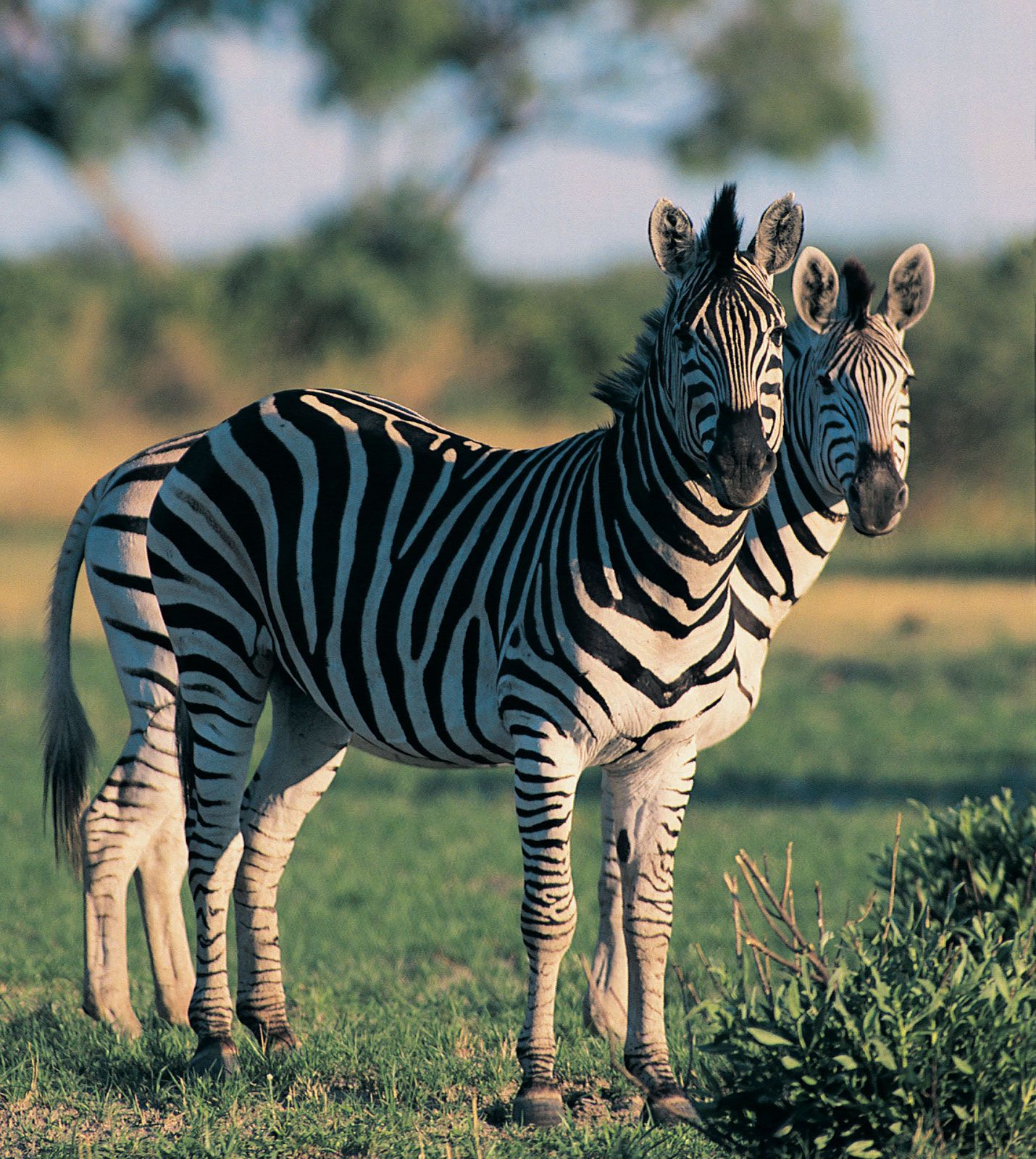
The zebra is an African equine mammal belonging to the genus Equus, the same group that includes horses and donkeys. Best known for their vivid black-and-white striped coats, zebras roam the grasslands and savannas of eastern and southern Africa. They are highly social animals whose herds contribute to the structure and resilience of their ecosystem.
Physical Characteristics
Zebras stand about 1.2 to 1.4 meters at the shoulder and weigh between 200 and 450 kilograms depending on species. Each animal’s stripe pattern is unique, functioning much like a natural identifier. Scientists propose several explanations for stripes: confusing predators during a chase, deterring biting flies, and helping regulate body temperature. Three living species exist-the plains zebra, the mountain zebra, and the Endangered Grevy’s zebra-each with distinct stripe shapes and social systems.
Diet and Feeding
Zebras are grazing herbivores that feed mainly on grasses, using their strong, flat teeth to crop tough vegetation. They often migrate in search of fresh pasture and water, sometimes traveling with African elephants and antelopes that benefit from the paths zebras open through dense grass. Their constant grazing helps maintain grassland health by preventing any single plant from dominating.
Social Behavior
Plains zebras live in small family groups led by a dominant stallion, with several mares and their offspring. These groups may join larger herds of hundreds during migration. Grevy’s zebras form looser associations, with males defending territories around water sources. Strong bonds between mares and foals, and mutual grooming, reinforce group cohesion.
Predators and Defense
Zebras are prey for lions, spotted hyenas, leopards, and African wild dogs. When threatened, a zebra’s powerful hind legs deliver kicks capable of breaking a predator’s jaw. Herds also use collective vigilance-some individuals watch while others graze-to reduce the risk of attack.
Conservation Status
While plains zebras remain relatively widespread, Grevy’s zebra is Endangered and the mountain zebra is Vulnerable. Habitat fragmentation, competition with livestock, and poaching for meat and skins threaten wild populations. Community conservancies and protected migration corridors are key to their survival.
Zebras are enduring symbols of the African wilderness, their striking patterns a reminder of the continent’s remarkable biodiversity. Protecting the grasslands they depend on safeguards countless other species that share their home.
[…] ranging from miniature to large draft types. Donkeys share a more recent common lineage with the zebra than with horses, and hybrids such as the mule, produced by crossing a donkey with a horse, have […]