 By st20113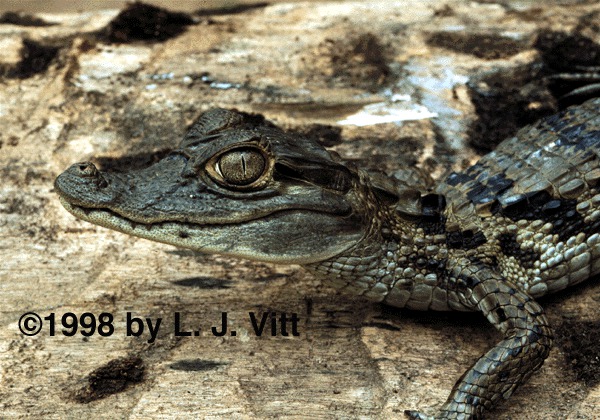
Introduction
The Spectacled Caiman (Caiman crocodilus) is the most abundant and widely distributed crocodilian species in the Americas, found from southern Mexico through the Amazon Basin to northern Peru and Brazil. Its name derives from a distinctive bony ridge between the eyes, creating an appearance resembling a pair of spectacles. The Spectacled Caiman plays a critical ecological role as an apex predator in freshwater wetlands, regulating populations of fish, amphibians, and invertebrates, and its nesting activities create habitat structures that benefit numerous other species. Its adaptability to human-altered landscapes has allowed it to maintain thriving populations across a broad geographic range.
Taxonomy
Caiman crocodilus belongs to the order Crocodylia and the family Alligatoridae, characterised by broader U-shaped snouts compared to the V-shaped snouts of true crocodiles. Members of Alligatoridae share a distinctive jaw morphology in which the fourth mandibular tooth does not protrude externally when the mouth is closed. The genus Caiman contains three extant species, all restricted to Central and South America. Its closest relatives within Crocodylia include the Nile crocodile and the American alligator, both belonging to different families within the broader Crocodylia lineage.
Physical Characteristics
The Spectacled Caiman displays the classic crocodilian body plan: an elongated robust torso supported by short powerful limbs, with locomotion occurring primarily in water through lateral undulation of the muscular tail. Adults typically measure between 1.5 and 2.5 metres, with exceptional individuals reaching three metres. The most distinctive feature is the interorbital ridge of bone between the eyes. Coloration is typically olive-green to brown, often with darker crossbands across the back and tail. Hatchlings and juveniles are considerably more vibrant, exhibiting bright yellow to golden backgrounds with black spots for disruptive camouflage. The eyes feature a nictitating membrane and a reflective tapetum lucidum for enhanced night vision.
Habitat
This species inhabits a wide variety of freshwater environments throughout its range, including slow-moving rivers, oxbow lakes, seasonal floodplains, marshes, swamps, and artificial reservoirs. It shows particular tolerance for turbid, nutrient-rich waters and can survive in seasonally variable environments where water levels fluctuate dramatically between wet and dry seasons. Isolated populations are found in the flooded forests of the Amazon and Orinoco basins. During the dry season, individuals concentrate in remaining permanent water bodies, and seasonal floodplain habitats are particularly important for breeding.
Diet
The diet shifts markedly with age and size. Hatchlings and juveniles feed predominantly on insects, including aquatic beetle and dragonfly larvae, as well as small fish and tadpoles. Adults are primarily ichthyophagous, consuming cichlids, characins, and catfish. Adult caimans also take waterbirds opportunistically during the dry season when birds concentrate at shrinking water bodies. Small mammals are taken on occasion, and carrion is consumed when available. The hunting strategy is primarily ambush-based: the caiman positions itself near schooling fish and launches rapid lateral strikes, seizing prey with conical teeth before performing a death roll. The powerful jaws can generate significant bite force, sufficient to crush the shells of large freshwater turtles including the green sea turtle in brackish areas.
Reproduction
Breeding occurs during the dry season, with mating typically concentrated between May and August. Males attract females through visual displays, underwater bellowing, and bubble train production. Males mate with multiple females during a single breeding season. Nesting follows with females constructing mound nests from vegetation and soil, typically sixty to eighty centimetres in diameter. Clutch sizes range from fifteen to forty eggs, deposited in the central chamber where microbial decomposition provides warmth for incubation. The female guards the nest throughout the approximately seventy to ninety day incubation period. Hatchlings call from within the egg before emerging, and females may carry hatchlings to water in their jaws.
Conservation
The Spectacled Caiman is classified as Least Concern due to its extensive range, large population, and tolerance of human disturbance. However, this masks significant local declines from intensive hide hunting during the mid-twentieth century. Conservation measures including harvest controls, CITES listing, and ranching programmes in Venezuela and Colombia have allowed many populations to recover. Ranching operations harvest eggs and juveniles for captive-rearing and commercial leather production, providing economic incentives for habitat protection.
Fun Facts
Despite being considerably smaller than true crocodiles, the Spectacled Caiman can apply bite forces exceeding one thousand kilograms per square centimetre, allowing it to crush the shells of large Amazonian turtles. Unlike most reptiles, Spectacled Caimans engage in extensive parental care, with females maintaining contact with hatchlings for weeks or months after emergence and defending them actively from potential predators.