 By st20113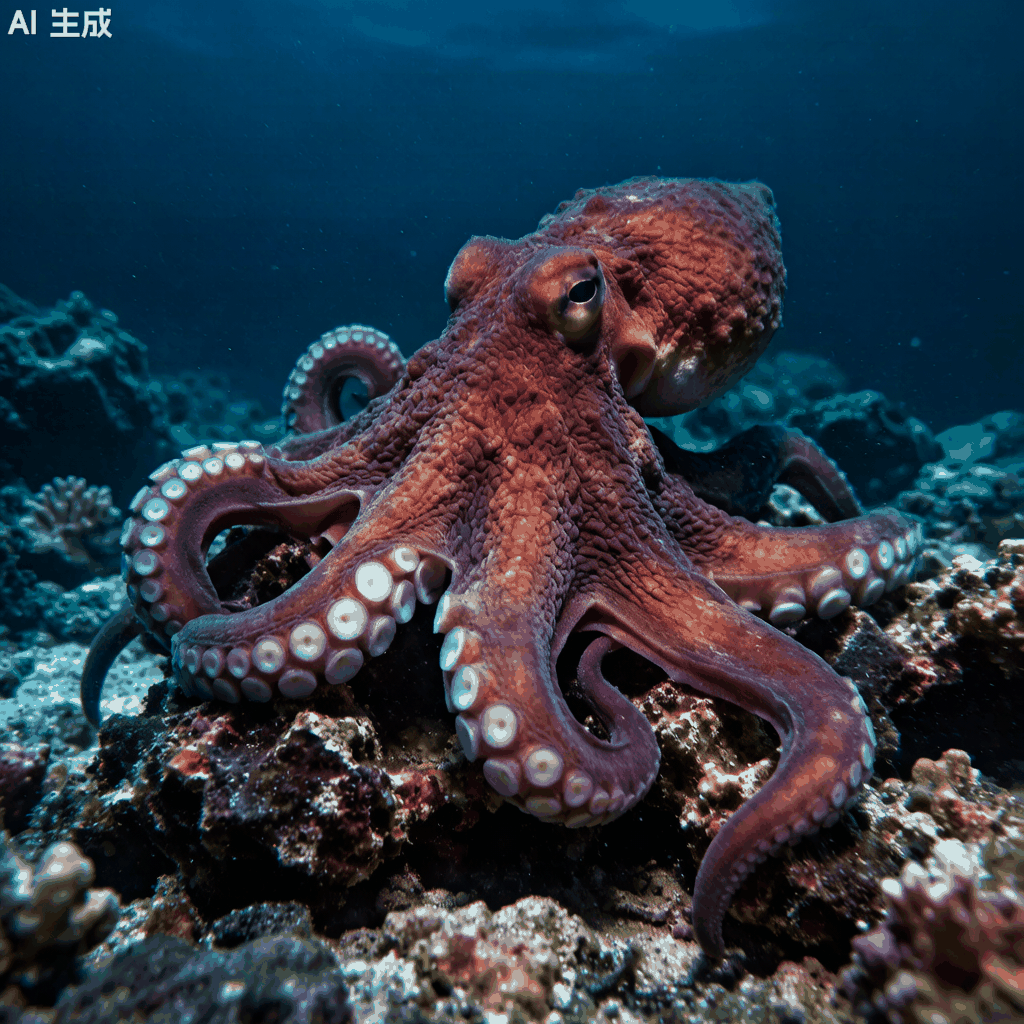
Introduction
The giant Pacific octopus, scientifically known as Enteroctopus dofleini, holds the distinction of being the largest octopus species in the world, a title that places it among the most impressive invertebrates inhabiting the world’s oceans. Found throughout the temperate coastal waters of the North Pacific, from Japan and the Kamchatka Peninsula in the west to Alaska and the Baja California Peninsula in the east, this remarkable cephalopod has captivated marine biologists, ocean explorers, and the general public alike. With an arm span that can exceed 9 meters and a body weight that can surpass 70 kilograms in exceptional specimens, the giant Pacific octopus is a creature of extraordinary proportions, yet it is also an animal of surprising intelligence, complex behavior, and remarkable adaptability. Found at depths ranging from the intertidal zone to more than 1,500 meters below the surface, Enteroctopus dofleini is a formidable predator and a master of camouflage that plays a crucial role in the coastal marine ecosystems of the North Pacific.
Beyond its physical size, the giant Pacific octopus is remarkable for its advanced cognitive abilities, which rank among the highest of any invertebrate studied to date. Octopuses in general are renowned for their intelligence, problem-solving skills, and behavioral flexibility, and the giant Pacific octopus is no exception. Laboratory studies have demonstrated that this species can navigate mazes, open jars, distinguish between different shapes and colors, and learn through observation — capabilities that challenge our understanding of intelligence in non-vertebrate animals. In the wild, these octopuses exhibit sophisticated hunting strategies, individual personality traits, and even playful interactions with other species, making them one of the most engaging and studied marine invertebrates in the world.
Taxonomy
Enteroctopus dofleini belongs to the phylum Mollusca, a vast group of animals that includes snails, clams, squid, and nautiluses, among many others. Within Mollusca, the giant Pacific octopus is classified in the class Cephalopoda, the order Octopoda, and the family Enteroctopodidae. The genus name Enteroctopus translates from Greek as intestine octopus, a reference to the large internal size of the species relative to its smaller-bodied octopus relatives. The species name dofleini honors Franz Anton Doflein, a German zoologist and student of marine biology who conducted pioneering research on cephalopods in the late nineteenth and early twentieth centuries.
The genus Enteroctopus contains a small number of recognized species, all of which are large-bodied octopuses found in deep or cold waters. In addition to the giant Pacific octopus, the genus includes the southern giant octopus (Enteroctopus megalocyathus) found in the waters off South America, and the flapjack octopus (Enteroctopus robustus), among others. These species are distinguished from smaller, shallow-water octopus species by their larger size, longer lifespans, and adaptations to deeper, colder marine environments. Phylogenetic studies based on molecular DNA analysis have confirmed the distinction of the genus Enteroctopus from other octopod groups, including the common shallow-water genus Octopus, which includes species such as the common octopus (Octopus vulgaris) found in tropical and temperate waters worldwide.
Physical Characteristics
The giant Pacific octopus is distinguished by its large size, but its anatomy is equally remarkable in other respects. Like all octopuses, its body consists of a bulbous mantle that contains the animal’s organs, including its three hearts, two of which pump blood to the gills while the third pumps it to the rest of the body. The mantle is supported by a short, fleshy neck that connects it to the head, from which eight powerful arms radiate in a circular pattern. Each arm is equipped with two rows of suction cups, or suckers, that provide the octopus with an extraordinary sense of touch and allow it to manipulate objects, grip surfaces, and capture prey with great precision. In large adult specimens, the largest suckers can measure several centimeters in diameter and are capable of producing significant holding force.
The coloration of the giant Pacific octopus is highly variable, as the species is a master of camouflage capable of changing both the color and the texture of its skin in a matter of seconds. The skin contains specialized cells called chromatophores, which contain pigments that can be expanded or contracted by surrounding muscle cells, allowing the octopus to produce an extraordinary range of colors and patterns. Beneath the chromatophores are layers of reflective cells called iridophores and leucophores, which contribute to the overall coloration and can produce iridescent and metallic effects. The giant Pacific octopus also has the ability to alter the texture of its skin, raising or lowering bumps and papillae to match the surrounding environment, further enhancing its camouflage. These capabilities are controlled by the octopus’s highly developed nervous system, which processes visual information from the environment and triggers appropriate skin responses through direct neural connections rather than through hormonal signaling.
Habitat and Distribution
The giant Pacific octopus is endemic to the North Pacific Ocean, one of the largest and most productive oceanic regions on Earth. Its geographic range extends from the waters off Japan and the Russian Far East in the western Pacific, through the Bering Sea and the Aleutian Islands, down the coasts of Alaska, Canada, and the United States to the Baja California Peninsula in the south. This extensive range spans more than 10,000 kilometers of coastline and encompasses a wide variety of marine habitats, from shallow, warm-temperate kelp forests in the south to cold, deep-water environments in the northern reaches of its range.
Enteroctopus dofleini is found at depths ranging from the intertidal zone, where it occupies tidal pools and shallow crevices, to depths of over 1,500 meters in some parts of its range. In most of its range, however, the species is most commonly encountered at depths between 20 and 100 meters, particularly in areas with complex rocky substrates that provide shelter and hunting grounds. Preferred habitats include rocky reefs, boulder fields, kelp forests, and areas with abundant invertebrate prey such as crabs, shrimp, and bivalves. The giant Pacific octopus is a solitary animal for most of its life, with individuals maintaining and defending a den site that serves as a resting place and a base for hunting excursions. Dens are typically located in crevices, caves, or other sheltered spaces from which the octopus can emerge to hunt and to which it can retreat when threatened.
Diet and Behavior
The giant Pacific octopus is a carnivorous predator with a diverse diet that reflects the rich marine ecosystems of the North Pacific. Its primary prey items include crabs, shrimp, lobsters, and other crustaceans, as well as bivalve mollusks, small fish, and occasionally other cephalopods. The hunting strategy of Enteroctopus dofleini is both stealthy and versatile, combining ambush tactics with active pursuit depending on the prey and the environmental conditions. The octopus uses its exceptional camouflage abilities to approach prey undetected, then employs its eight arms and powerful suckers to capture and restrain struggling prey. For hard-shelled prey such as crabs and bivalves, the octopus uses its beak-like mouth to drill through the shell or applies crushing force with its radula, a ribbon-like structure covered with rows of small, file-like teeth.
Behavioral studies have revealed a remarkable degree of intelligence and adaptability in the giant Pacific octopus. Individuals have been observed using tools, carrying coconut shell halves to use as portable shelters, and even throwing objects at nosy divers in what appears to be an aggressive display. The species is also known to exhibit play behavior, including manipulating and tossing objects in the water column with no apparent feeding purpose. Enteroctopus dofleini communicates through visual displays, body posture, and the manipulation of skin color and texture, with different patterns associated with threat, courtship, and other social contexts. Individuals kept in captivity have demonstrated the ability to recognize individual human caretakers and to associate specific individuals with positive or negative experiences, suggesting a level of cognitive sophistication that continues to intrigue researchers.
Reproduction
Reproduction in the giant Pacific octopus is a single-event process that marks the culmination of the adult lifespan. Like all octopuses, Enteroctopus dofleini is semelparous, meaning that it reproduces only once before dying. Males and females come together briefly for mating, during which the male uses a specialized arm called a hectocotylus to transfer packets of sperm, called spermatophores, into the female’s mantle cavity. After mating, males typically die within a few months as a result of physiological deterioration triggered by the reproductive process. Females, meanwhile, seek out a suitable den site in which to lay their eggs, which can number from tens of thousands to more than 100,000 depending on the size and condition of the individual.
A female giant Pacific octopus guards her egg clutch obsessively throughout the incubation period, which can last from several months to more than a year depending on water temperature. During this time, she does not leave the den to feed, relying entirely on stored energy reserves to sustain herself while she aerates the eggs with gentle currents produced by her funnel and keeps them free of parasites and debris. The eggs develop through several stages before hatching into planktonic paralarvae, which drift in the ocean currents as part of the zooplankton community for several weeks before settling to the seafloor and beginning the transition to a benthic lifestyle. Following hatching, the female’s energy reserves are typically exhausted, and she dies shortly after her eggs hatch. Despite the brevity of the reproductive event, the large number of eggs produced ensures that a small percentage of offspring survive to adulthood, maintaining the population in the face of significant larval and juvenile mortality.
Conservation Status
The giant Pacific octopus is currently listed as a species of Least Concern by the International Union for Conservation of Nature (IUCN), reflecting its relatively large population sizes and broad geographic range. However, the species faces several significant threats that could impact its long-term viability if not addressed. Commercial and recreational fisheries target Enteroctopus dofleini throughout parts of its range, particularly in Alaska, British Columbia, and Japan, where the species is valued both as a food source and as a trophy for sport divers. While targeted fishing pressure has been managed in some jurisdictions through bag limits and seasonal closures, unregulated fishing remains a concern in other areas.
Beyond direct harvesting, the giant Pacific octopus is vulnerable to a range of indirect threats including ocean warming, ocean acidification, habitat degradation, and pollution. As a top predator in coastal marine ecosystems, Enteroctopus dofleini can accumulate environmental toxins in its tissues, including heavy metals and persistent organic pollutants, which may affect its health and reproductive success. Climate change is altering the distribution and abundance of the octopus’s prey species, potentially affecting food availability in different parts of its range. Conservation measures for the giant Pacific octopus include fisheries management regulations, marine protected areas that encompass key habitat areas, and continued research into the species’ biology, population dynamics, and response to environmental change.
Fun Facts
The giant Pacific octopus has three hearts, two of which pump blue copper-based blood to the gills where it picks up oxygen from seawater, while the third pumps oxygenated blood to the rest of the body. This unique circulatory system is an adaptation to the octopus’s active lifestyle and the relatively low oxygen content of cold marine waters. The copper-based blood pigment, called hemocyanin, is far less efficient at carrying oxygen than the iron-based hemoglobin found in vertebrate blood, which may explain why the octopus requires three hearts to maintain adequate oxygen delivery throughout its large body.
The giant Pacific octopus has the largest brain of any invertebrate animal, and its nervous system is organized in a highly distributed fashion, with two-thirds of the animal’s neurons located in its eight arms rather than in its central brain. This means that each arm is capable of independent decision-making, problem-solving, and sensory processing, effectively giving the octopus eight semi-autonomous brains that can operate simultaneously. Researchers studying octopus arms that have been severed from the body have observed that the arms continue to respond to touch, chemical stimuli, and even apparent emotional cues for hours after separation, suggesting a level of neural processing and responsiveness that is unlike anything seen in vertebrate animals. The combination of distributed intelligence, extraordinary camouflage, and complex behavior makes Enteroctopus dofleini one of the most fascinating animals in the ocean.
[…] and deep-sea mud, providing limited structural complexity compared to shallow-water reefs. The Giant Pacific Octopus (Enteroctopus dofleini) shares the Blobfish range in the deep waters off southeastern Australia and […]
[…] is the source of the deep brown pigment once used as writing ink. It is a close cousin of the giant Pacific octopus and the giant squid, all masters of soft-bodied marine predation with highly developed nervous […]