 By st20113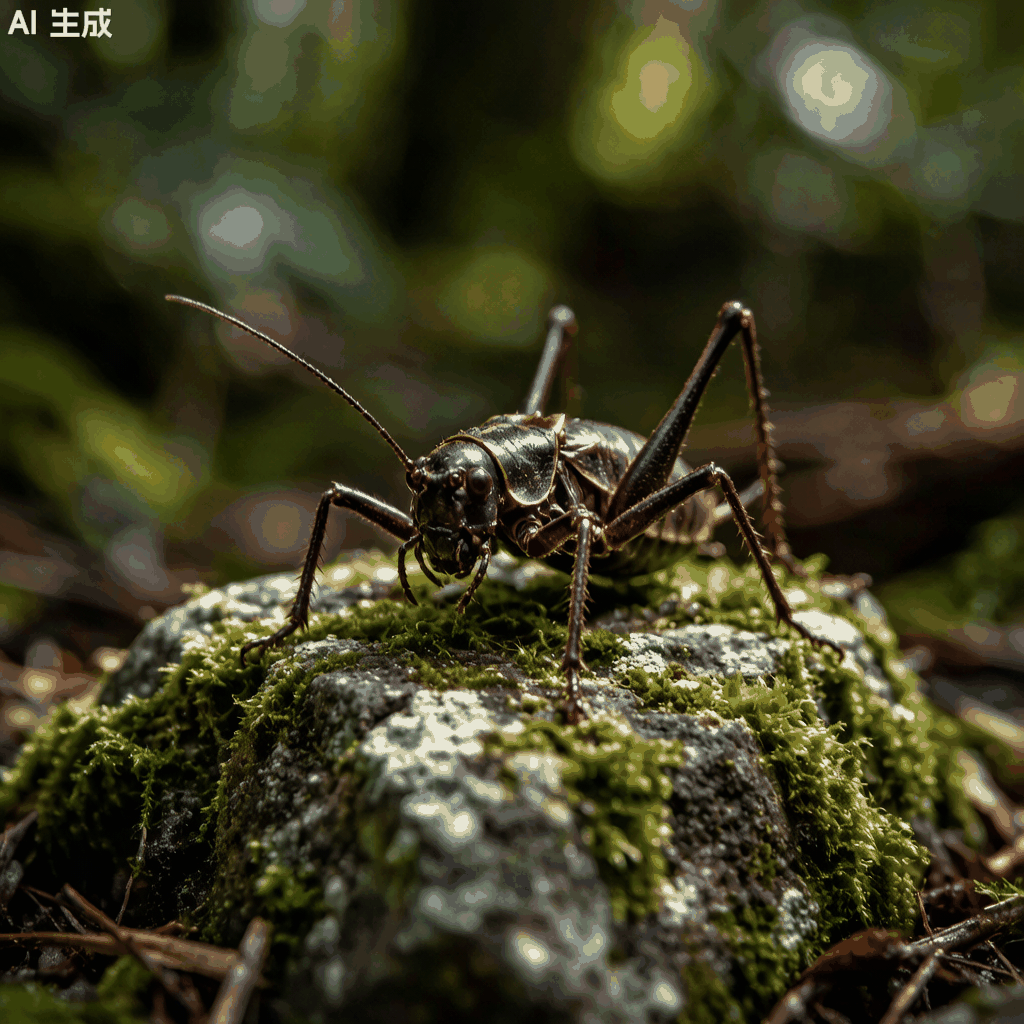
Introduction
The giant weta is one of the heaviest insects in the world, a remarkable flightless cricket-like creature found only in New Zealand. Belonging to the genus Deinacrida, whose name translates roughly from Greek as “terrible grasshopper,” these insects are living relics of an ancient lineage that evolved in the absence of terrestrial mammals. The most famous species, Deinacrida heteracantha, the Little Barrier Island giant weta, can weigh as much as a small sparrow and is often cited as one of the largest insects by mass on the planet. Despite their fearsome appearance and spiny legs, giant wetas are gentle herbivores that pose no threat to humans. They are nocturnal, secretive, and extraordinarily long-lived for an insect, with some individuals surviving more than two years. Their size is a striking example of island gigantism, the tendency of isolated island animals to evolve larger bodies than their mainland relatives. Today giant wetas are icons of New Zealand’s unique biodiversity and important ambassadors for conservation, drawing attention to the fragility of ecosystems that evolved without native land mammals.
Taxonomy
Giant wetas are members of the order Orthoptera, the group that includes grasshoppers and crickets, and belong to the family Anostostomatidae, sometimes called the king cricket family. The genus Deinacrida contains around eleven species, all endemic to New Zealand, with Deinacrida heteracantha being among the largest. The species name heteracantha means “different spine,” referring to the variation in the spiny structures on the insect’s legs. Wetas as a whole are divided into several groups, including the giant wetas, tree wetas, cave wetas, and ground wetas, but the giants are distinguished by their massive bulk and ground-dwelling habits. They are insects of the subclass Pterygota, though they have lost the ability to fly, with reduced or absent wings. The lineage diverged from other orthopterans many millions of years ago, and because New Zealand separated from other landmasses early in its geological history, wetas survived and diversified in isolation. Their closest relatives outside the region are certain South African and Australian king crickets, hinting at a southern hemisphere ancestry.
Physical Characteristics
A mature female giant weta can reach a body length of about four to five centimeters, with the legs and antennae extending the total length to ten centimeters or more, and can weigh up to seventy grams, rivaling a mouse in mass. Males are generally smaller and lighter than females. The body is robust and somewhat cylindrical, armored with a tough exoskeleton and covered in bold spines, particularly on the hind legs, which are used in defense and in wrestling rivals. The head bears powerful mandibles, long segmented antennae, and large compound eyes adapted to low light. Unlike many crickets, giant wetas do not possess functional wings for flight, though vestigial structures remain. Their coloration is typically brown, reddish, or olive, providing camouflage against leaf litter and bark. Females carry a long, curved ovipositor at the rear for depositing eggs into soil. The legs are thick and muscular, enabling the insect to cling tightly to vegetation and to deliver a sharp pinch if handled. Despite their bulk, they move with surprising agility among branches at night.
Habitat and Distribution
Giant wetas are endemic to New Zealand and are now restricted to a handful of isolated islands and protected mainland sanctuaries where introduced predators have been eradicated. Historically they were widespread across the North and South Islands, but habitat loss and predation by rats, stoats, and cats drove mainland populations to extinction. Deinacrida heteracantha survives today on Little Barrier Island in the Hauraki Gulf, a predator-free reserve that has become a stronghold for the species. Other giant weta species persist on islands such as the Poor Knights, Codfish, and predator-free mainland enclosures like those on Tiritiri Matangi and in fenced sanctuaries. They favor forested habitats, including coastal scrub, temperate rainforest, and rocky outcrops, where they shelter by day in burrows, under logs, or in hollow trees. At night they emerge to forage on the forest floor and low vegetation. Because they are flightless and slow to disperse, each population is highly localized, making them especially vulnerable to any breach in predator control. Conservation relies on island refuges and intensive trapping to keep invasive mammals at bay.
Diet and Behavior
Giant wetas are primarily herbivorous and nocturnal, feeding on a variety of plant material including leaves, stems, flowers, fruits, and seeds. They have also been observed eating other insects and carrion on occasion, making them opportunistic omnivores in practice. At night they emerge from their daytime shelters to climb low plants and forage, using their strong mandibles to chew tough vegetation. They are remarkably tolerant of cool temperatures and can remain active in conditions that would immobilize many insects. Giant wetas are largely solitary and sedentary, remaining within a small home range for much of their lives. Males may engage in physical contests using their spiny hind legs to grapple with rivals during the breeding season. When threatened, a weta will rear up, open its mandibles, and produce a hissing sound by stridulation, a defensive display rather than an attack. Although wingless, they can leap short distances using their powerful legs. Their slow metabolism and cool-climate adaptation allow them to survive in environments where few other large insects thrive.
Reproduction
Breeding in giant wetas typically occurs in the warmer months, with mating taking place after the females have molted to adulthood. Males locate females by scent and pursue them, sometimes guarding a partner from rivals. After mating, the female uses her ovipositor to insert clusters of eggs into moist soil or rotting wood, where they are protected from drying out. A single female may lay several hundred eggs over her lifetime, though each is small relative to her body size. The eggs overwinter in the soil and hatch the following spring or summer, producing nymphs that resemble miniature adults but lack reproductive organs and full size. The young pass through a series of molts, gradually increasing in size, and may take more than a year to reach maturity, an unusually long developmental period for an insect. Giant wetas are notably long-lived, with adults surviving eighteen months to two years or more in the wild. This slow life cycle, combined with delayed maturity, means populations cannot quickly rebound from declines, underscoring the importance of protecting breeding habitats from disturbance and predation.
Conservation Status
Many giant weta species are considered threatened, and Deinacrida heteracantha itself is classified as Vulnerable or higher by the New Zealand Department of Conservation, having been extinct on the mainland for over a century. The primary threat is predation by introduced mammals, especially rats, which eat both eggs and adults and are devastating to flightless, slow-breeding insects. Habitat modification and the spread of invasive plants also degrade the leaf litter and shelter they depend on. The success story of Little Barrier Island shows that predator-free island refuges can sustain healthy populations, and translocation programs have established new populations on additional predator-free islands and mainland sanctuaries enclosed by predator-proof fences. These efforts are paired with rigorous monitoring, supplemental feeding in some enclosures, and public education. Captive breeding at institutions such as zoos supports research and provides individuals for reintroduction. While giant wetas remain at risk, the combination of island sanctuaries and active management has prevented extinction and offers a model for recovering other endemic invertebrates. Continued vigilance against reinvasion by rodents is essential to their survival.
Fun Facts
The giant weta is often called one of the heaviest insects alive, with particularly large females out-massing even some small birds. They are descendents of insects that lived before the dinosaurs and have changed little over millions of years. Although they look intimidating with their spiny legs and big jaws, giant wetas are harmless vegetarians that would rather hide than fight. They can survive being frozen almost solid overnight in cold weather and thaw out active the next day, a feat few insects can match. A single female may produce hundreds of eggs in her lifetime, burying them safely in the soil. Because New Zealand had no native land mammals for most of its history, wetas filled ecological roles that rodents and other small mammals occupy elsewhere. If a giant weta is placed on its back, its sheer weight can make righting itself a slow and comical struggle. Their continued existence is a testament to the strange and wonderful life forms that evolve when animals are left to their own devices on isolated islands.