 By st20113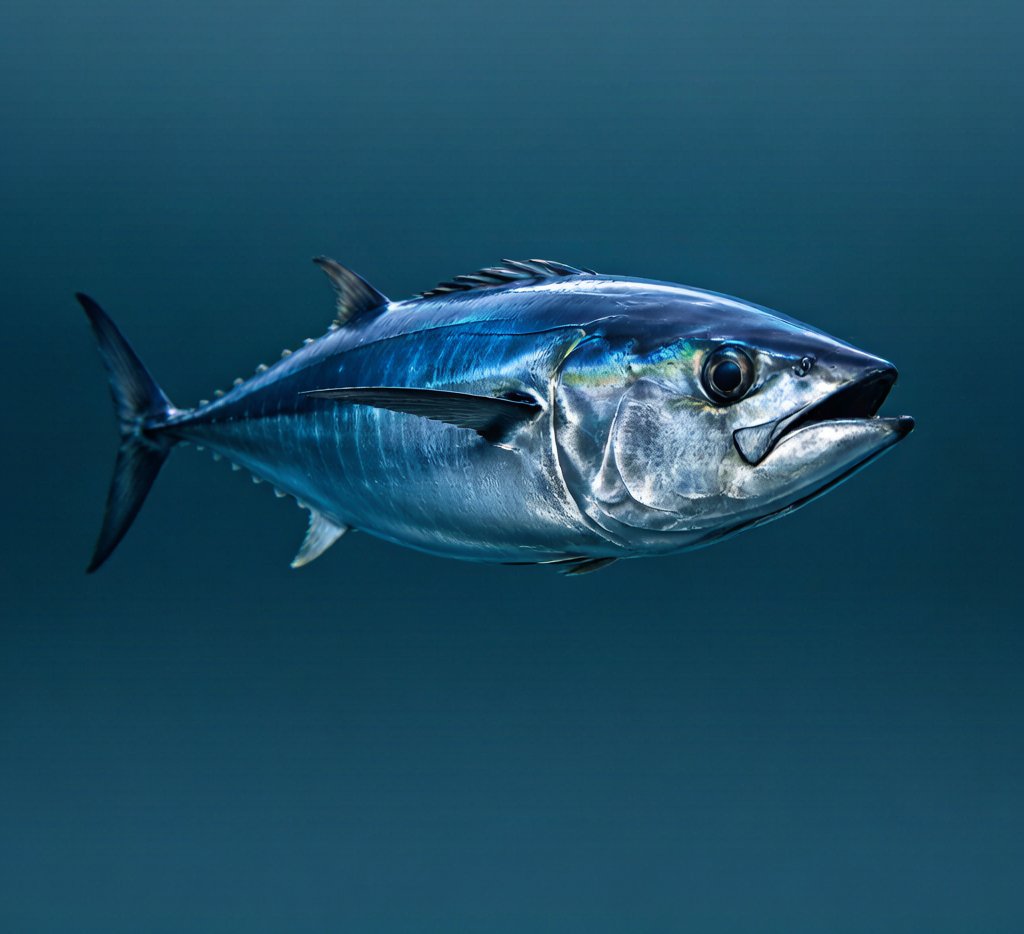
Introduction
The Atlantic Bluefin Tuna (Thunnus thynnus) stands as one of the most magnificent and commercially significant fish in the world’s oceans. Renowned for its extraordinary size, speed, and the prized sashimi it produces, this species has captured human attention for millennia. Ancient Romans revered it as a delicacy, and today it commands the highest prices of any fish at Tokyo’s markets. Yet this iconic predator faces mounting pressure from overfishing, prompting international efforts to prevent its decline.
Taxonomy
The Atlantic Bluefin Tuna belongs to the family Scombridae, which includes mackerels and bonitos. Its full scientific classification is Thunnus thynnus (Linnaeus, 1758). The genus name Thunnus derives from the ancient Greek word for “rush,” a reference to the fish’s explosive speed. Two primary populations are recognized: the western Atlantic stock, which spawns in the Gulf of Mexico, and the eastern Atlantic stock, which spawns in the Mediterranean Sea.
Physical Characteristics
Mature Atlantic Bluefin Tuna typically reach 2 to 2.5 meters in length and weigh between 250 and 600 kilograms, though exceptional specimens exceeding 680 kilograms have been recorded. Their bodies are elegantly streamlined, built for sustained high-speed cruising. A distinctive feature is their warm-blooded physiology — achieved through a specialized vascular counter-current heat exchange system called the rete mirabile. This allows them to maintain body temperatures up to 10°C above the surrounding water, granting them exceptional metabolic power and the ability to hunt in cold deep waters alongside predators such as the great white shark.
Habitat
This species inhabits temperate and subtropical waters of the North Atlantic and the Mediterranean. During summer, Bluefin Tuna migrate northward to feed in productive cold-water upwelling zones off Newfoundland, Norway, and the North Sea. They can dive to depths exceeding 1,000 meters, though they often cruise at 100 to 300 meters. Their range extends from Labrador and the Gulf of Mexico in the west to the Norwegian Sea and West Africa in the east. Their migrations take them through waters shared with migratory humpback whales and resident populations of Atlantic sturgeon.
Diet
Atlantic Bluefin Tuna are opportunistic predators with a diet dominated by schooling fish. Their primary prey includes herring, Atlantic mackerel, sardines, sand eels, and squid. They herd schools into dense balls near the surface before launching coordinated attacks. Their speed — bursts exceeding 70 kilometers per hour — makes them devastating hunters. Unlike many predators, they rely on sustained aerobic power as much as explosive acceleration, allowing them to chase prey over considerable distances.
Reproduction
Atlantic Bluefin Tuna reach sexual maturity between 4 and 8 years of age. Spawning occurs in warm, shallow waters — primarily the Gulf of Mexico and the Mediterranean — during late spring and early summer when water temperatures reach 18 to 25°C. A single large female can release between 4 and 30 million eggs per season, depending on her body size. Fertilization is external, and larvae hatch within two days. Despite enormous reproductive potential, juvenile survival rates are extremely low, with only a tiny fraction reaching adulthood.
Conservation
The Atlantic Bluefin Tuna is classified as Endangered by the IUCN. Decades of intense fishing pressure, driven by the lucrative sashimi market, have reduced populations to a fraction of their historical abundance. The species has been a flashpoint in international fisheries management, with catch quotas frequently set above scientific recommendations. Conservation groups argue that without stricter enforcement and significant stock recovery measures, the Atlantic Bluefin Tuna risks local extinction in some regions.
Fun Facts
Atlantic Bluefin Tuna are among the most migratory fish on the planet, with individuals tracked crossing the entire North Atlantic basin multiple times in a single year. A single large Bluefin can be worth tens of thousands of dollars at market, making it one of the most valuable wild-caught animals on Earth.
Their powerful muscles and warm blood also allow them to regulate their body temperature in ways that few other fish can match, making them true ocean marathon swimmers.