 By Iris
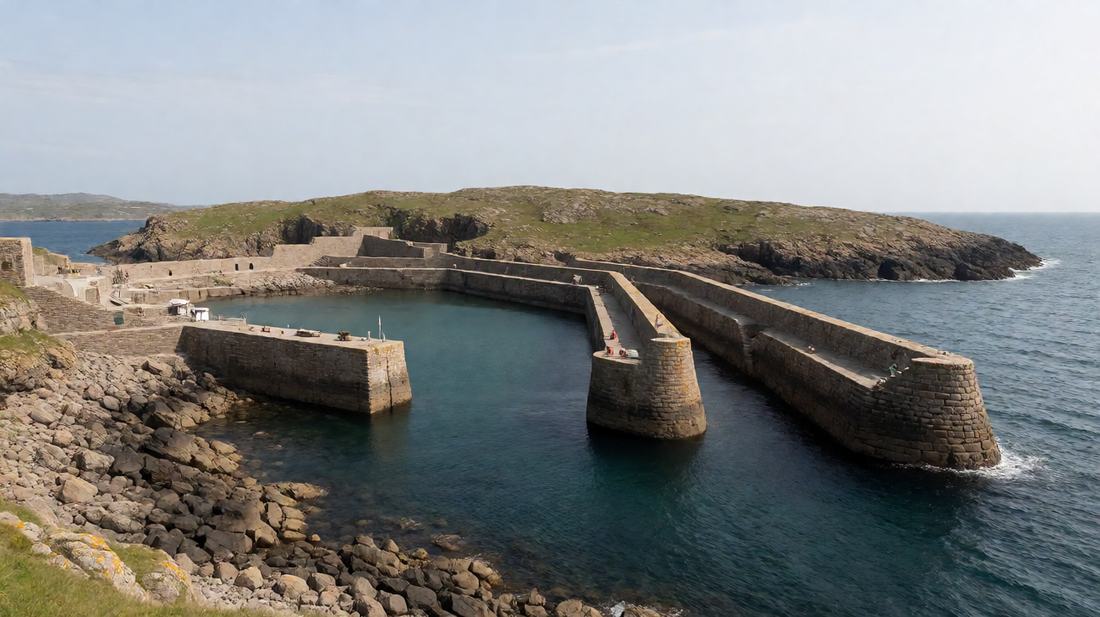
The Colossus of Rhodes | The Giant of the Harbour
Historical Profile · The Aegean
The Colossus of Rhodes | The Giant of the Harbour
A figure of bronze raised over the harbour of a trading island, built from the weapons of a beaten army, and remembered as one of the seven wonders of the ancient world.
292-226 BC
Raised
Made of
Its height
Its fall
On the list
The big picture
Introduction
The Colossus of Rhodes was a giant figure of bronze. It stood at the harbour of Rhodes, an island city in the Aegean sea. Building began in about 292 BC, and the figure stood for some sixty years.
Indeed, people counted it among the seven wonders of the ancient world. Its purpose, however, was to honour the sun god. It was built from the weapons left behind by a defeated army.
It was the tallest statue of the Greek world. Yet its fall in 226 BC was remembered for centuries.
Setting
Historical Context
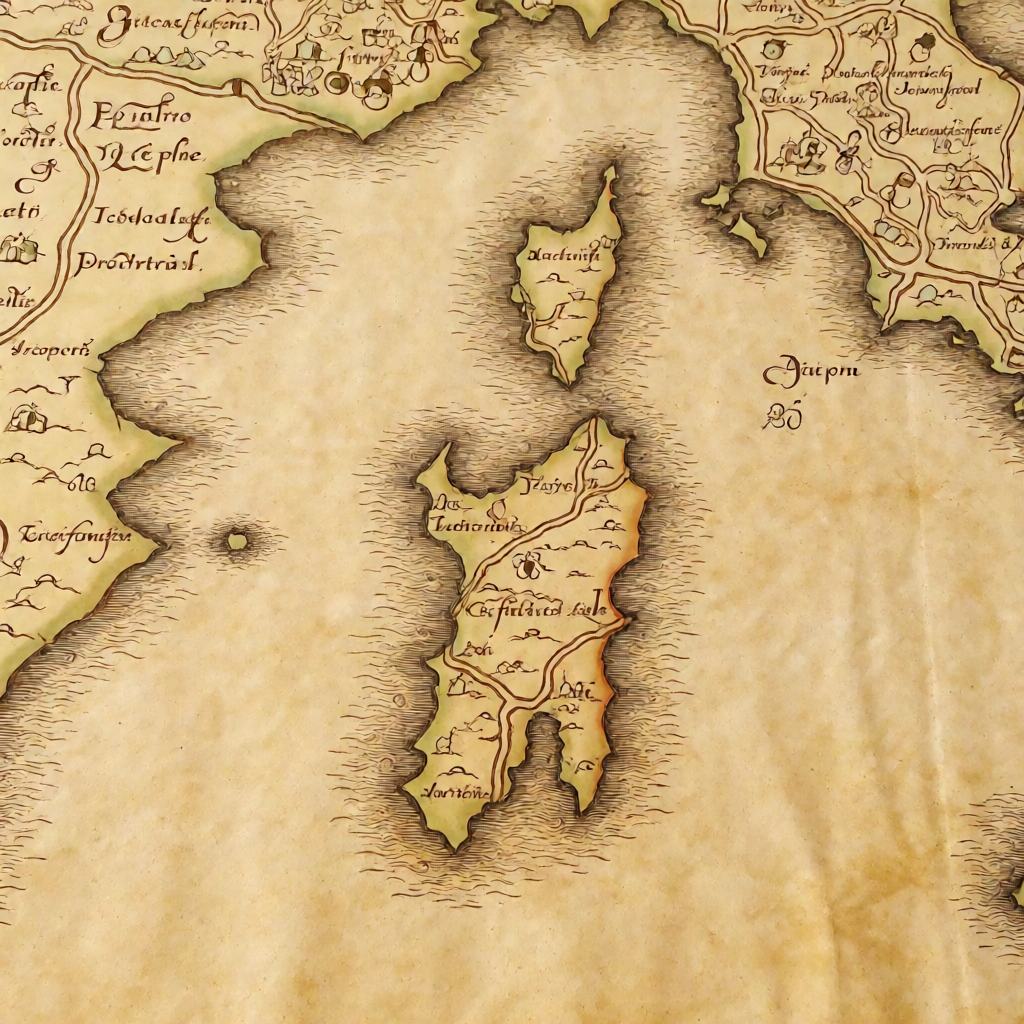
Rhodes lies off the south west coast of Anatolia, on the sea road between the Aegean and the eastern Mediterranean. Its position made it a meeting point for the trade of three continents, and its three harbours were among the busiest of the age. Wealth came to the city from that traffic. It kept its own ships and its own fleet. Great powers stood on either side. To the west lay the cities of Classical Greece, and to the east the lands of the old empires.
After the death of Alexander the Great, his generals fought over the whole of the eastern sea. Small states of the region had to choose a side. Rhodes chose to keep its freedom. Treaties were made with Ancient Egypt and with the other trading powers. However, the city stayed out of the wars of its neighbours. Ships of Rhodes kept the sea lanes open, while its merchants traded with every port from the Aegean to the Levant.
Moreover, the city was a centre of learning. Its schools of law, of medicine and of the stars were among the best of the age. Writers and engineers of Rhodes were known across the Greek world as well. One of its own citizens took the work.
Turning points
Key Events
The siege came first. In 305 BC a general named Demetrius brought a great army and a fleet against the city. He built siege towers of great size, and he tried for a year to break the walls. He failed in the end. In 304 BC he gave up and sailed away, so that his engines of war were left behind on the ground. People of Rhodes sold the engines. With the money they raised a great figure of their sun god.
Work went to a sculptor named Chares. Thus the statue was raised in about 292 BC, and it took twelve years to finish. Then it stood for about sixty years. The island was struck by an earthquake in 226 BC, and the figure broke at the knees. It fell on the ground, and there it lay for centuries, indeed. Still, it drew visitors even in ruin. Account of it written by later travellers is the main record of what it looked like.
Pieces of the figure were left where they fell. People of Rhodes were told that an oracle warned them against raising it again. So the bronze lay on the ground for more than eight hundred years. The island was taken in the 600s. Metal was carried away and sold.
1
2
3
Who held power
People and Powers
Rhodes was a republic. Its citizens met in an assembly, and its officers were chosen each year from the leading families. State affairs were run by a council and by a body of officials who held the records, the money and the fleet. A single code of law held the whole system, and other cities copied it. Trade was the life of the city. Merchants owned the ships, and the state took a share of what they carried.
Harbours were open to every nation, and the law gave protection to traders from every land. Such openness was the base of its wealth. However, the army and the fleet were held by the citizens. Every free man served. Ships and soldiers stood ready for war at all times. During the great siege the whole population took part in the defence of the walls.
Moreover, religion stood at the centre of the city. Chief of the gods of Rhodes was the sun god, and the statue was raised in his name. Temples and festivals were paid for by the state. In turn the whole life of the city was ordered around them.
Everyday world
Daily Life and Society
Most people in the city worked at the trade of the sea. Sailors, dockers, shipwrights and merchants filled the harbours. Workshops of the city turned out cloth, metal, pottery and glass for the ships. Building was done well.
Streets were laid out on a plan, and its walls, its harbours and its water works were the work of its engineers. Whole city was ringed with a wall of stone, while three harbours could hold a great fleet. Indeed, life was ordered by wealth and by birth. Leading families held the offices and the ships.
Others worked in the workshops, the docks or the fields of the island. Foreigners were welcome as traders. Thus quarters were kept for the peoples of every land of the sea.
Craft and ideas
Trade, Technology and Ideas
Great skill went into the statue. It was made of bronze plates fixed to a frame of iron and stone. Thus the figure was built in sections on the ground and raised piece by piece. Its height was about thirty three metres. The figure stood on a base of white stone beside the harbour.
In fact, work on the figure took twelve years. Chares and his helpers built it around a core of stone. They had to solve the problem of holding a great weight of metal upright. Later builders of large figures copied the method they used. Learning also had a home in the city.
Its schools of law and of medicine were among the best of the age. Astronomers of Rhodes made tables of the stars that were used for centuries. Engineers of Rhodes built harbours, walls and water works. In turn the whole of the eastern sea looked to Rhodes for skill.
What lasted
Legacy
Colossus stood for only sixty years, yet it was remembered for more than two thousand years. Writers of the ancient world counted it among the seven wonders. Memory of it gave the word colossus to the languages of Europe. Its fall shaped the way it was seen.
Because the figure lay on the ground for centuries, travellers could walk among its pieces. Their accounts give the best record of what it looked like. Nobody raised the figure again, and the bronze was carried away in the end. City life itself went on.
Rhodes kept its trade and its schools for centuries, while its law was studied long after the island lost its freedom. In effect the statue was one work of a city that had many, and the city outlived it.
Side by side
How It Compares
| Point | The Colossus of Rhodes | The Pyramids of Giza |
|---|---|---|
| Its kind | A figure of bronze | Three tombs of stone |
| Dates | 292-226 BC | c. 2560-2490 BC |
| Its height | About 33 m | The greatest about 147 m |
| It stood for | About 60 years | More than 4500 years |
| Its end | Broken by an earthquake | Still standing |
| On the list | One of the seven wonders | The oldest of them all |
Common misreadings
What People Get Wrong
- The Colossus stood astride the harbour entrance. In fact it rested on a stone base beside the harbour.
- A torch in a raised hand is often drawn. The figure stood still, and no account mentions a torch.
- It was rebuilt after the earthquake. In truth it lay on the ground for more than eight hundred years.
Going further
Sources and Further Reading
- Wikipedia, Colossus of Rhodes
- Encyclopaedia Britannica, Colossus of Rhodes. Encyclopaedia Britannica, Inc.
- Clayton, P. and M. Price. 1988. The Seven Wonders of the Ancient World. Routledge.
- Gabrielsen, V. 1997. The Naval Aristocracy of Hellenistic Rhodes. Aarhus University Press.
Quick hits
Five Things to Remember
- The Colossus of Rhodes was raised in about 292 BC.
- It was made of bronze plates on a frame of iron and stone.
- It stood about thirty three metres high beside the harbour.
- It fell in an earthquake in 226 BC.
- It was counted among the seven wonders of the ancient world.