 By st20113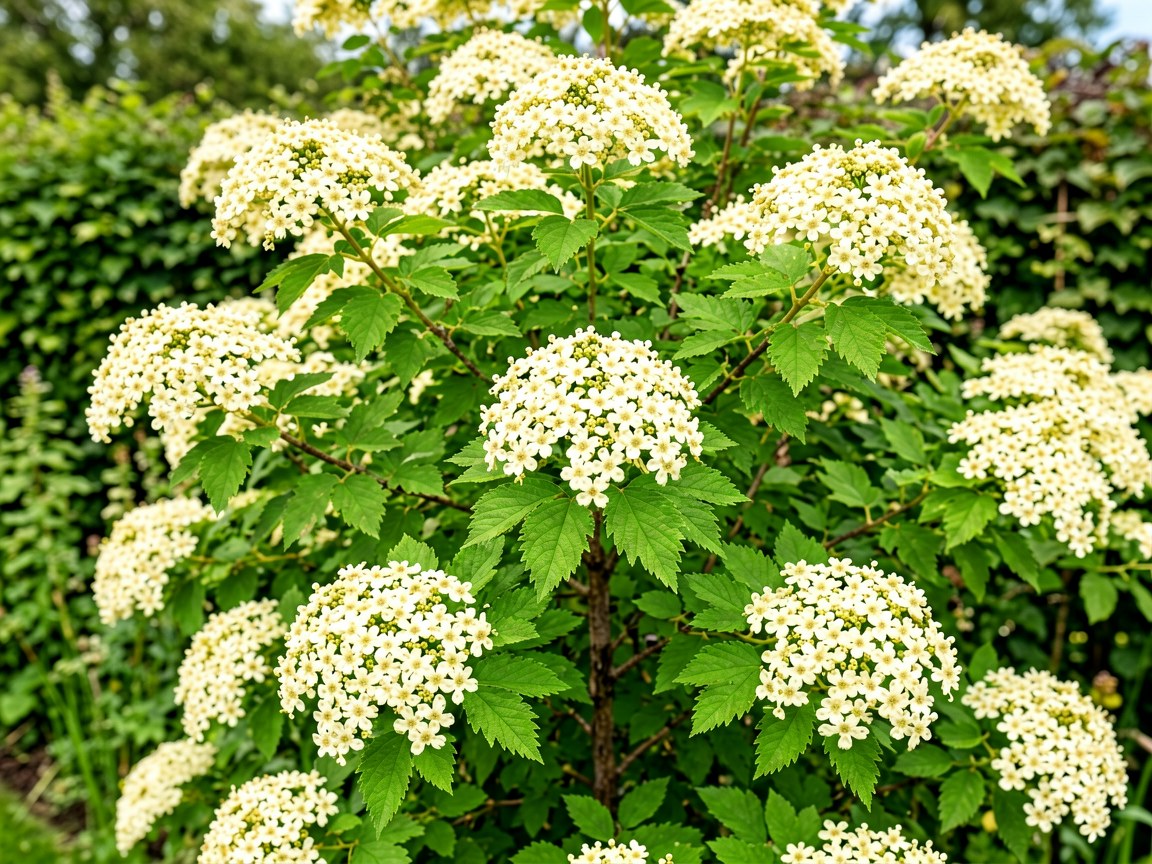
Sambucus nigra | Elder
Introduction
Elder (Sambucus nigra) is a fast-growing deciduous shrub or small tree of hedgerows, waste ground, and woodland edges, recognised in early summer by its broad flat heads of creamy-white, sweetly scented flowers and in autumn by drooping clusters of glossy black berries. Both flowers and fruit have been used in drinks, preserves, and folk medicine for centuries. It is one of the most wildlife-valuable native shrubs, and one of the easiest to recognise at any time of year.
Taxonomy
Sambucus nigra belongs to the family Adoxaceae within the order Dipsacales, having formerly been placed with the honeysuckles in Caprifoliaceae. The genus name comes from the Greek sambuke, an ancient stringed instrument said to have been made from elder wood with the pith removed. Like all green plants, elder builds its tissues through Photosynthesis, which powers its famously rapid growth.
Physical Characteristics
Elder usually grows 4–6 meters tall, occasionally more, with a broad, untidy crown and grey-brown, corky, furrowed bark. The leaves are opposite and pinnate, 10–30 cm long, with five or seven oval, pointed, sharply toothed leaflets that smell unpleasant when crushed. In June and July it bears large flat umbels up to 25 cm across, packed with hundreds of tiny, five-petaled cream flowers. These are followed by drooping bunches of small, glossy, dark purple-black berries.
Habitat
This species thrives on nitrogen-rich, disturbed soils and is a familiar sight in hedgerows, on waste ground, roadside verges, railway embankments, farmyards, and woodland edges. Its presence is a reliable indicator of nutrient enrichment, particularly high phosphate levels. Elder is tough, fast-growing, and tolerant of a wide range of conditions, which is why it colonises bare, enriched ground so quickly.
Diet
Elder is a photosynthetic plant, making its own food from sunlight, water, and carbon dioxide and taking up minerals from the soil. It depends on no other organism for nourishment. Its value to wildlife is considerable: the flower heads swarm with hoverflies, bees, and beetles feeding on nectar and pollen, while the autumn berries are devoured by blackcaps, thrushes, and other birds, often stripping a bush in days.
Reproduction
The flowers are insect-pollinated, mainly by flies and bees drawn to the dense, accessible flower heads. Each fertilized flower becomes a small berry containing three to five seeds, and the berries are eaten and dispersed by birds. Elder also spreads readily by suckering from the base, and its soft, pithy stems root extremely easily from cuttings—one reason it is so simple to propagate and so quick to colonise new ground.
Conservation
Elder is common and not threatened, and it often benefits from the nutrient enrichment that harms more delicate species. Its conservation importance lies in what it supports: it is one of the most productive native shrubs for both pollinating insects and berry-eating birds, and it is frequently planted in hedgerow restoration and wildlife schemes. Managing hedges to keep elder in place, rather than flailing it away, helps sustain these food webs.
Fun Facts
- Elderflower cordial, elderflower “champagne,” elderberry wine, and elderberry jam are all traditional uses still popular today.
- The stems are filled with soft pith, which can be pushed out to make tubes, whistles, and even simple pipes.
- The berries are mildly toxic raw but perfectly safe—and delicious—once cooked.
- Its flower heads can host dozens of species of insects at once, making it a top plant for pollinators.
- Folklore across Europe held that the elder was protected by a spirit, the “Elder Mother,” and should never be cut without asking permission.