 By st20113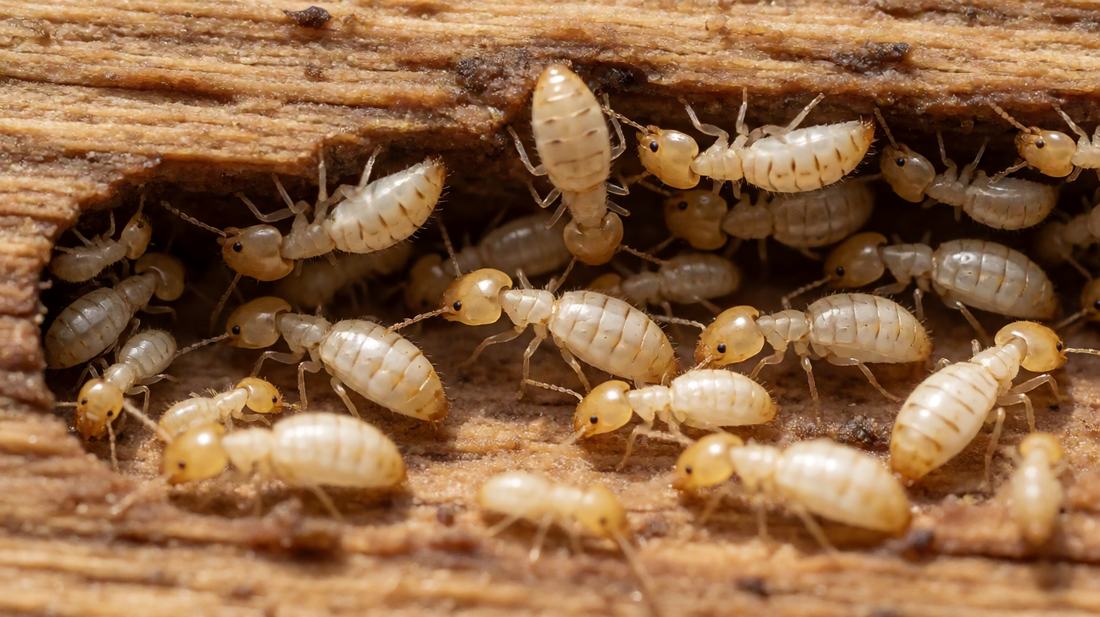
Reticulitermes flavipes | Eastern Subterranean Termite
Species Profile · Rhinotermitidae
Eastern Subterranean Termite
A soft pale insect that lives in damp soil, chews timber into pulp and builds mud tubes to reach the wood it needs.
A pale wood eater that farms fungi in damp soil and reaches timber through built mud tubes
Worker length
Soldier
Winged adult
Queen’s life
Diet
Family
The Eastern Subterranean Termite
A pale insect that eats wood
This insect lives in the soil of eastern North America. It eats wood and other plant matter. A single nest can hold over 1 million termites.
The workers are pale, soft and blind. They rank among the worst wood pests in the country.
Family tree
Blattodea, Rhinotermitidae
This insect sits in the family Rhinotermitidae. Its scientific name is Reticulitermes flavipes, named by Kollar in 1837. Termites once had their own order.
Most experts now call them a branch of the cockroaches. One close relative is German Cockroach. That insect shares the order Blattodea.
The genus holds many lookalike species. Only an expert can tell them apart.
3 mm and a yellow head
How to tell one
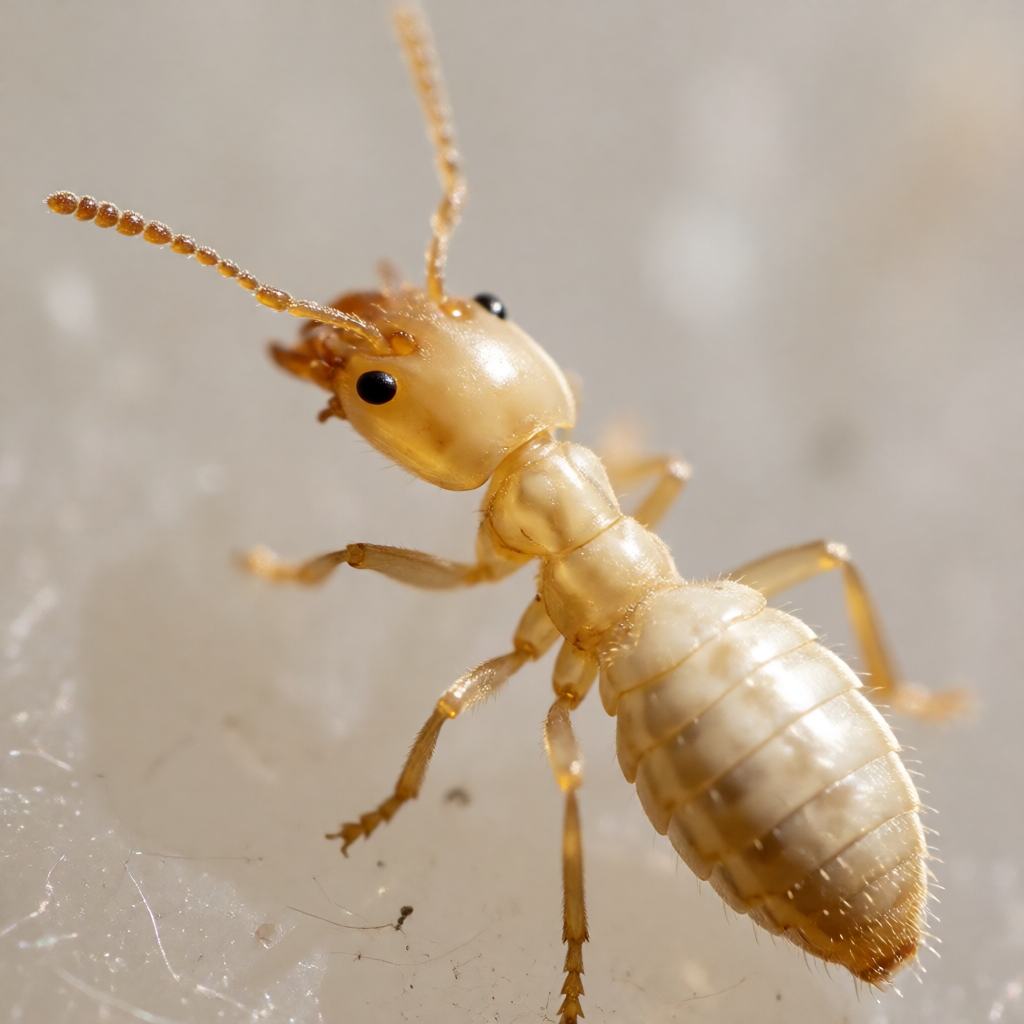
A worker is about 3 to 5 mm long. Its body is cream coloured and soft. It has no eyes and no wings. A soldier looks similar but carries a large yellow head.
It squirts a sticky fluid at intruders. Winged adults are dark brown and about 10 mm long. Those wings last only a few hours.
1
2
3
Damp soil and rotten timber
Where it lives
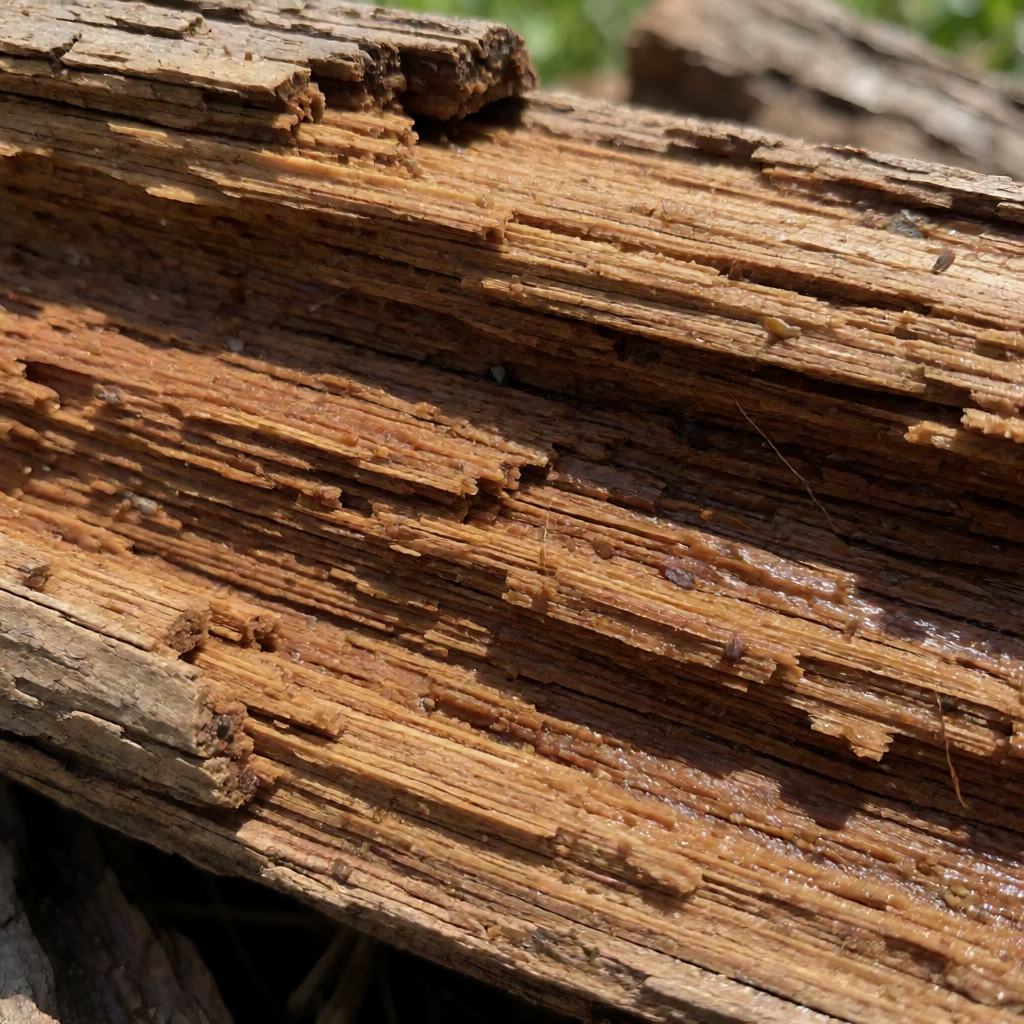
The nest sits in damp soil and rotting timber. Moisture is vital, so dry wood is rarely attacked. The insects build mud tubes across concrete and stone.
These tunnels shield them from dry air. A nest may sit 1 m or more below the surface. Heated buildings keep them warm all winter.
Wood, paper and dead roots
What it eats
The menu is wood, paper, cardboard and dead roots. Cellulose is hard to break down. Tiny microbes in the gut do that job.
They also chew fungi growing on old timber. Foraging workers may wander far from the nest. They follow scent trails back home.
A queen and her ten years
The breeding cycle
A mature nest makes winged males and females in spring. They fly out in a swarm and then shed their wings. A pair digs a small chamber and mates.
The queen lays thousands of eggs over her long life. She may live 10 years or more. Young nests grow slowly at first.
An alien pest in many lands
Conservation
This species is not on the IUCN Red List. No global figure exists for its numbers. In many places it is an alien pest.
It has reached Europe and South America. Control relies on bait and barriers rather than broad sprays. Protection is not a worry for this insect.
Quick hits
Five things to remember
- Winged adults lose their wings within minutes of landing.
- The nest has no leader; the workers act as a crowd.
- Soldiers cannot feed alone and depend on the workers.
- Mud tubes may climb several metres up a wall.
- A young nest may need 5 years to make winged adults.