 By st20113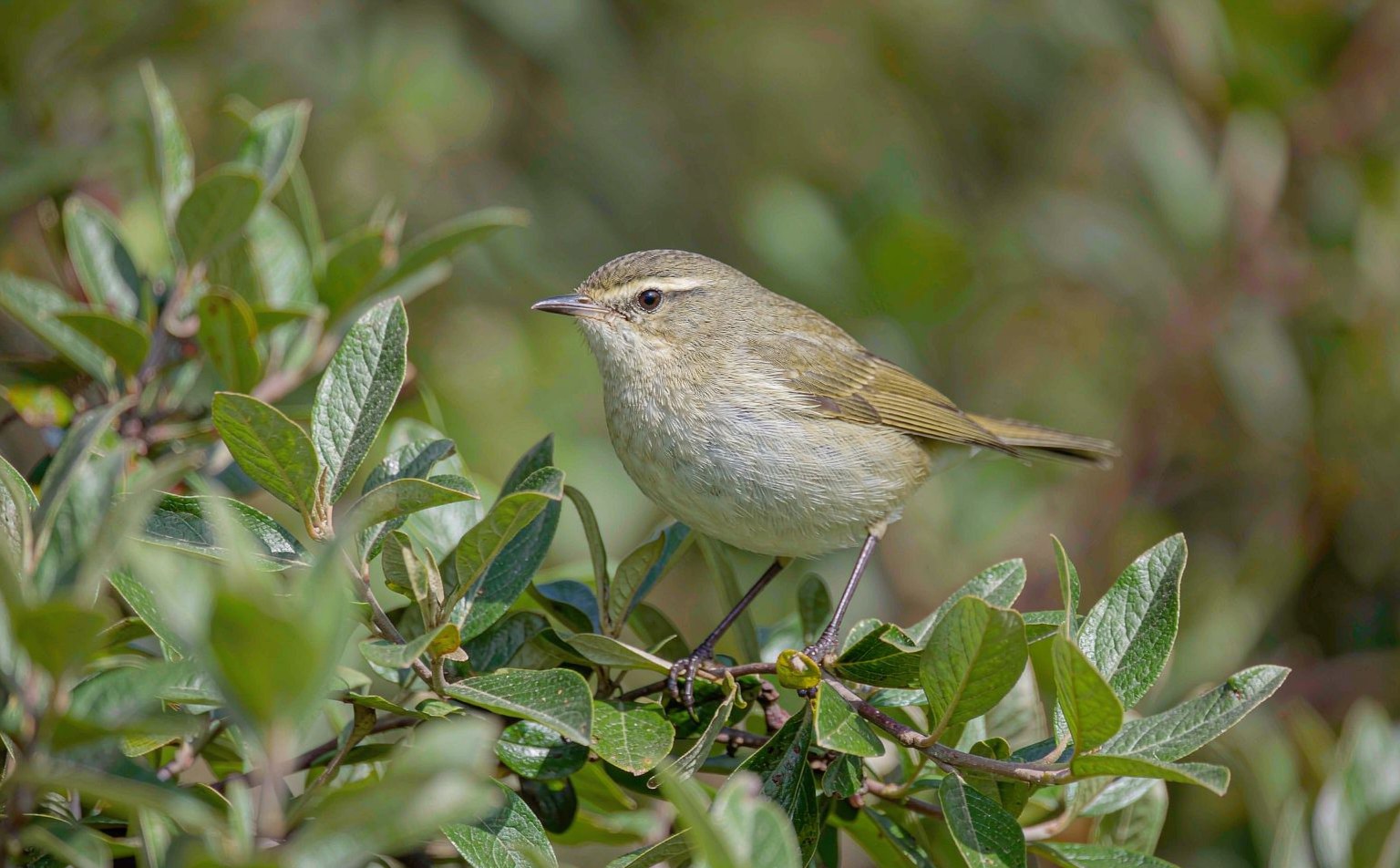
Phylloscopus collybita | Common Chiffchaff
Introduction
The Common Chiffchaff (Phylloscopus collybita) is a small, olive-green warbler whose name comes from its simple, repeating song—a soft “chiff-chaff, chiff-chaff” that rings from bushes and woodland edges through the spring and summer. One of the first summer visitors to arrive in Europe, it is a familiar and cheerful sign of the season, though its plain plumage makes it far easier to hear than to see.
Taxonomy
Phylloscopus collybita was described by Carl Linnaeus in 1758 and is a typical member of the genus Phylloscopus, the leaf warblers, a large group of small, insect-eating songbirds. It is a close relative of the Willow Warbler, which looks almost identical but sings a descending, rippling song instead. The two were once thought to be one species until their voices and nesting habits revealed them as separate. The Chiffchaff forms a complex with a few similar eastern forms, but the western bird is a single, well-marked species.
Physical Characteristics
Adults are tiny, 10 to 12 centimetres long and weighing 7 to 10 grams, with a slim body, a fine, pointed bill and short, rounded wings. The plumage is plain olive-green above and pale buff-white below, with a faint pale stripe over the eye and dark legs that separate it from the paler-legged Willow Warbler. The wings show a single, often vague pale bar. The tail is lightly notched and frequently flicked. In autumn the birds can look browner, but the shape and restless motion are constant. The eye is dark and the expression alert.
Habitat
Chiffchaffs breed in open woodland, young plantations, hedgerows, parks and riverside thickets, anywhere with a mix of low shrubs and taller perches for song. They are less tied to mature forest than many warblers and will use gardens, orchards and scrubby edges. On migration and in winter they also use reed beds, olive groves and open bushland. They avoid treeless grassland and dense, dark conifer stands, preferring bright, somewhat open canopies where they can dart after insects.
Diet
Like most warblers, the Chiffchaff is almost wholly insectivorous, taking aphids, small flies, caterpillars, gnats and spiders from leaves and the air. It gleans from the upper and lower sides of foliage and makes short sallies to snap prey in flight, constantly flicking its wings as it feeds. In late summer and autumn it adds small soft fruits and berries to its diet. Its high metabolic rate means it must feed nearly all daylight hours through the breeding season to fuel its active life.
Reproduction
The female builds a neat, domed nest of grass, moss and leaves on or near the ground, usually at the base of a bush, tussock or tree stem, with a side entrance hidden by a grass canopy. She lays five to seven white, lightly speckled eggs and incubates them alone for about thirteen days; both parents then feed the chicks, which fledge in a little over two weeks. Many pairs raise a second brood in a good summer. The male’s ringing song defends the territory from rivals.
Conservation
The Common Chiffchaff is abundant and of Least Concern, and its range has expanded northward with warmer springs and the spread of young woodland and scattered trees. It faces the usual pressures on migratory songbirds—habitat loss on its routes and in its wintering areas, and the effects of drought and pesticide use on insect food—but remains one of the most numerous European warblers. Leaving scrubby edges, hedgerows and young trees helps keep it common close to people.
Fun Facts
- Its English name is simply an attempt to write out its two-note song.
- It looks almost identical to the Willow Warbler but is told by song and dark legs.
- It is one of the earliest summer visitors, sometimes singing on arrival in March.
- The domed nest has a side door disguised by overhanging grass.
- It flicks its wings almost without pause while it hunts among the leaves.