 By Iris
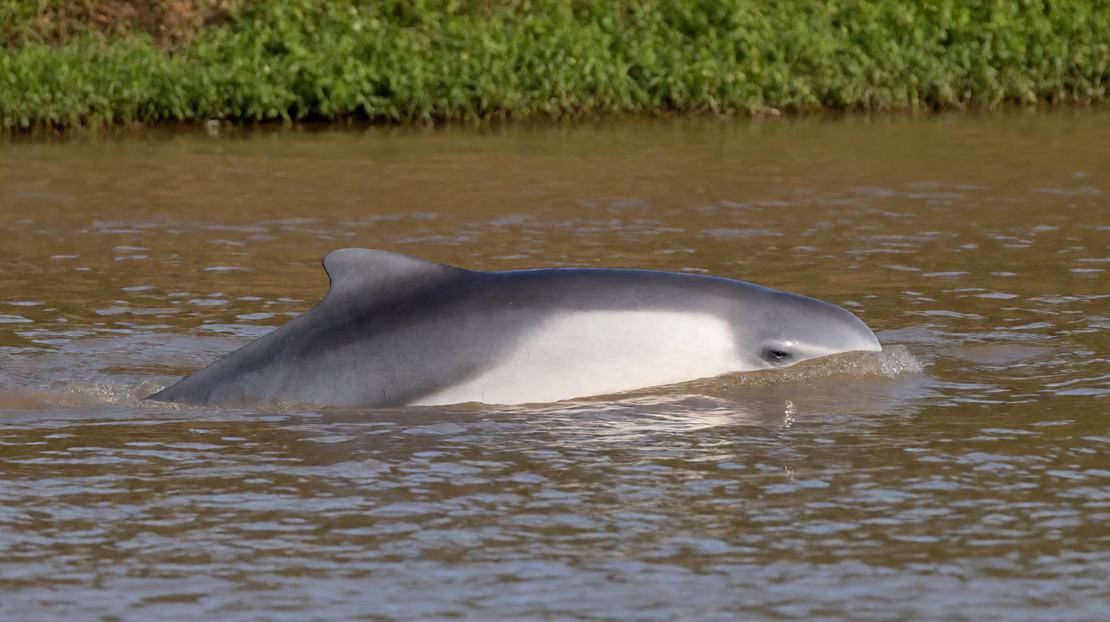
Neophocaena asiaeorientalis | Narrow-Ridged Finless Porpoise
Species Profile · Phocoenidae
Narrow-Ridged Finless Porpoise
A porpoise with no fin on its back, and a river form of its own.
Endangered
Length
Weight
Fin
Range
Yangtze form
Rating
A thousand kilometres up a river
A back with no fin on it
Rounded head and missing fin give this porpoise a smooth back. Adults reach 2.3 m at most, and most stay near 1.7 m. Weight runs 30 to 70 kg across the range. Two ridges of small bumps run along the back, and the narrow one gives the species its common name.
Shallow coastal water from China to Japan holds the main groups. A second group lives in the Yangtze, hundreds of kilometres inland. Fish, shrimp and squid fill most of the diet. Sound guides the hunt, since river water carries little light.
Groups stay small, and a pair or a lone animal is the usual sight. Few whales sit closer to people, yet few face more pressure from them.
Family tree
Phocoenidae, the porpoises
Neophocaena asiaeorientalis belongs to Phocoenidae, the porpoise family. Taxonomists split the old finless porpoise into two species, and this one keeps the narrow ridge. The Harbour Porpoise lives in cold northern seas, while this animal stays in warm coastal water. Both lack a beak, and both carry flattened teeth instead of pointed ones.
Their backs differ, though, because one shows a small pointed fin and the other shows none. Two forms are named today, and each lives in its own water. Fresh water holds the Yangtze form for its whole life. The coastal form ranges from the Yellow Sea to Japanese bays.
Genetic work supports the split, although some authors still argue over the line. Older records often lump every finless porpoise under one name, since the animals look so much alike, and that makes the history hard to read.
Two forms, two waters
How to tell one
Length reaches 2.3 m in the largest adults. Newborns measure about 70 cm. Skin looks grey, and it fades to a paler belly. Calves carry a darker tone for the first months.
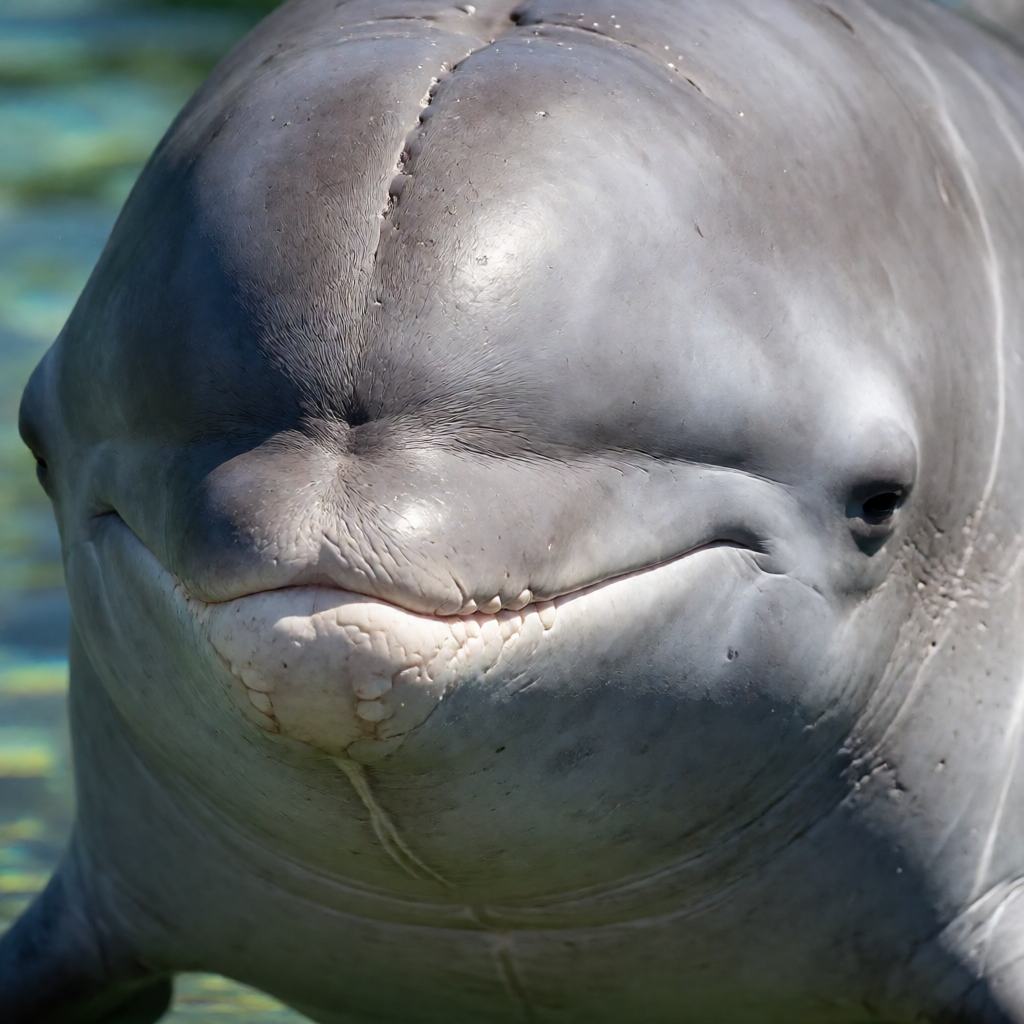
No dorsal fin breaks the outline, so the back stays smooth. A band of tiny bumps covers the ridge behind the blowhole, and each bump sits in a small pit. Those bumps may help the animal feel the flow of water, although nobody has proved it. Flippers are short and rounded, and the tail flukes carry a deep notch.
Teeth stay flattened and small, and they number around 60 in each jaw. A blunt head holds a small brain case, yet the animal navigates muddy water without trouble.
1
2
3
Bumps instead of a fin
Where it lives
Coastal shallows hold most of the group. Depth rarely passes 50 m where the animals feed. Estuaries and river mouths draw groups in spring. The Yangtze form lives 1,000 km or more from the sea.
Sandbars and slow bends shape its river home. Warm water matters, since the animal avoids the cold northern seas. Ports and shipping lanes cut across much of the coastal range. Reclaimed mudflats remove the shallow water that nurseries need.
Dredging deepens channels, and the flow then scours the banks. A river group cut off by dams cannot mix with the sea groups, and the loss of that exchange leaves each group weaker.
Shallows and a big river
What it eats
Fish form the bulk of the diet. Anchovy, croaker and goby turn up often in stomach samples. Shrimp and squid fill the rest. Feeding happens near the bottom and in mid water.
Prey is small, so the animal eats often through the day. A porpoise needs several kilograms of fish a day, since its prey runs small. Groups may herd small fish toward a bank, although most hunting looks solitary. High clicks find prey in murky water, and the echo paints a clear picture of the shape that waits ahead.
Feeding slows at night, when the animals rest near the surface. Calves take milk for at least six months before they fish for themselves.
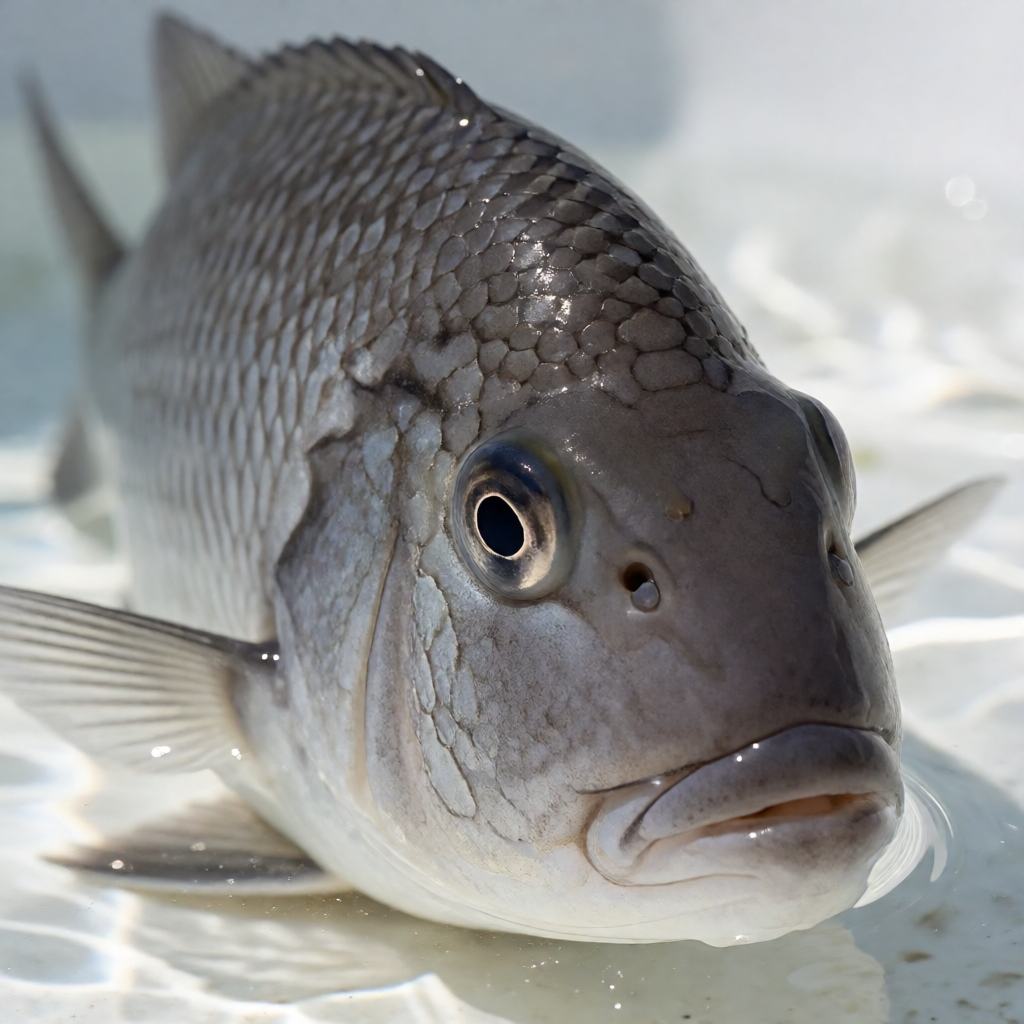
Fish, shrimp and squid
The breeding cycle
Mating happens in late spring. Gestation runs about 10 months. One calf is born in warm shallow water. The calf swims beside the mother from the first hour.
Nursing lasts six to twelve months, although a calf starts on fish sooner. Females calve every two years at most. Males take no part in raising the young, although they may stay nearby. A female matures near four years, and she can breed for a decade or more.
Calves stay close to the mother, and they learn the shape of the river as they follow her. Few calves survive in busy water, so a group turns over slowly even when most adults escape harm each year.
Endangered, and net bound
Conservation
IUCN lists the species as Endangered. The Yangtze form sits in a worse class, and its numbers fell below 2,000. Gill nets drown animals that cannot see the mesh. Vessel traffic strikes porpoises in narrow channels.
Pollution weakens the animals, and it cuts the supply of prey. Sand mining destroys the bars where fish spawn. Dams and sluices block movement along the river. Patrols now remove illegal nets, and river guards report every dead animal.
A reserve covers part of the Yangtze channel, although patrols stay thin. Captive pools hold a small breeding group, yet the river form keeps only a thin backup outside its channel.
Side by side
How It Compares
| Trait | Narrow-Ridged Finless Porpoise | Harbour Porpoise |
|---|---|---|
| Length | up to 2.3 m, and the river form stays smaller | 1.4 to 2.0 m |
| Weight | 30 to 70 kg, and heavier in the north | 45 to 70 kg, and heavier before winter |
| Home | coastal water from China to Japan, plus the Yangtze | cold shelf water of the north Atlantic and Pacific |
| Fin | none, and a ridge of small bumps instead | small and triangular, with a rounded tip |
| Food | fish, shrimp and squid in shallow water | herring, sandeel and squid in open water |
| Habit | small groups, and often a lone animal | pairs or small groups, and it rarely leaps |
Common misreadings
What People Get Wrong
- Many people assume the animal has a small fin, yet the back carries none at all.
- Some accounts treat the river form as a separate species, although it is a subspecies.
- A common tale says the porpoise leaps like a dolphin, yet it rarely clears the surface.
Going further
Sources and Further Reading
Quick hits
Five things to remember
- No dorsal fin breaks the smooth back.
- Adults reach 2.3 m and 70 kg.
- Yangtze animals never leave fresh water.
- Two forms are recognised today.
- Clicks map the water better than sight does.