 By st20113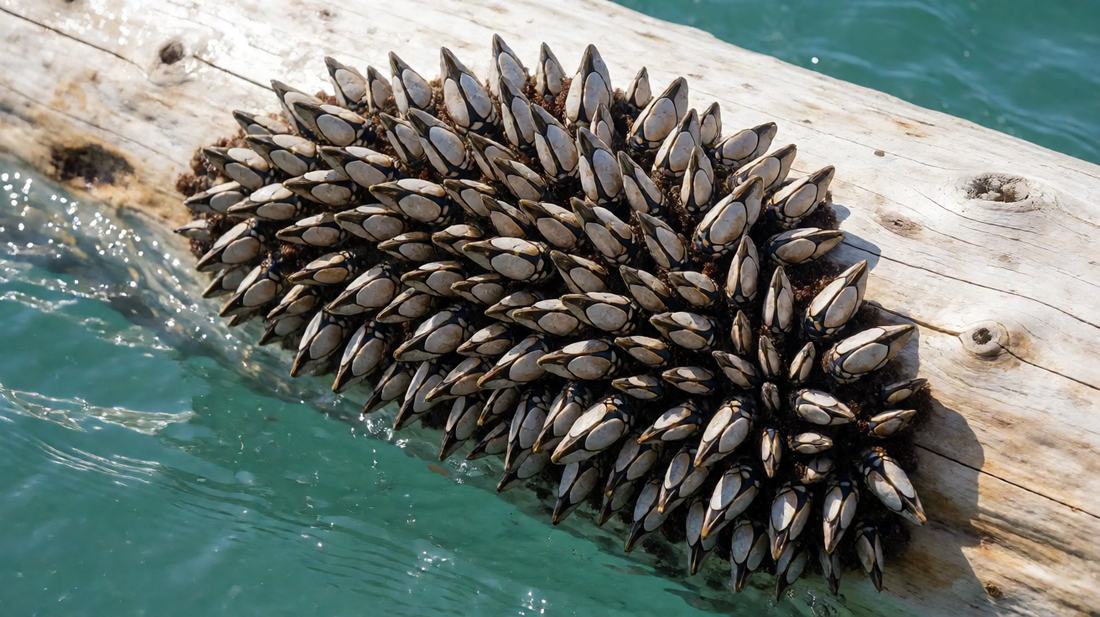
Lepas anatifera | Goose Barnacle
Species Profile · Lepadidae
Goose Barnacle
A stalked barnacle that drifts the open ocean on floating logs and ships, filtering food with black feathered legs.
Not evaluated
Shell
Stalk
Group
Feeding legs
Attach
Rating
The Goose Barnacle
A barnacle on a stalk
This barnacle hangs from drifting wood. A flexible stalk holds the shell. Five white plates form the head.
The stalk can reach 20 cm. Because the animal cannot swim, it must catch a lift. Any floating object will do.
Logs, buoys and plastic all work. Adults look like small goose heads. Though the animal looks like a mollusc, it is a crustacean, and its closest kin are the crabs and shrimps that crawl on the seabed.
Family tree
Lepadidae, the goose barnacles
This animal belongs to the barnacle group, Cirripedia. Linnaeus named it in 1758. Its genus name is Greek for a limpet shell.
A second name means carrying a handle. That describes the stalk. Stalked barnacles form the family Lepadidae.
Acorn barnacles stick straight to rock, while this one hangs from a stalk. The Northern Acorn Barnacle is one of those. Because both groups glue themselves down as larvae, they share a life plan that most crustaceans never follow.
10 cm of stalk and shell
How to tell one
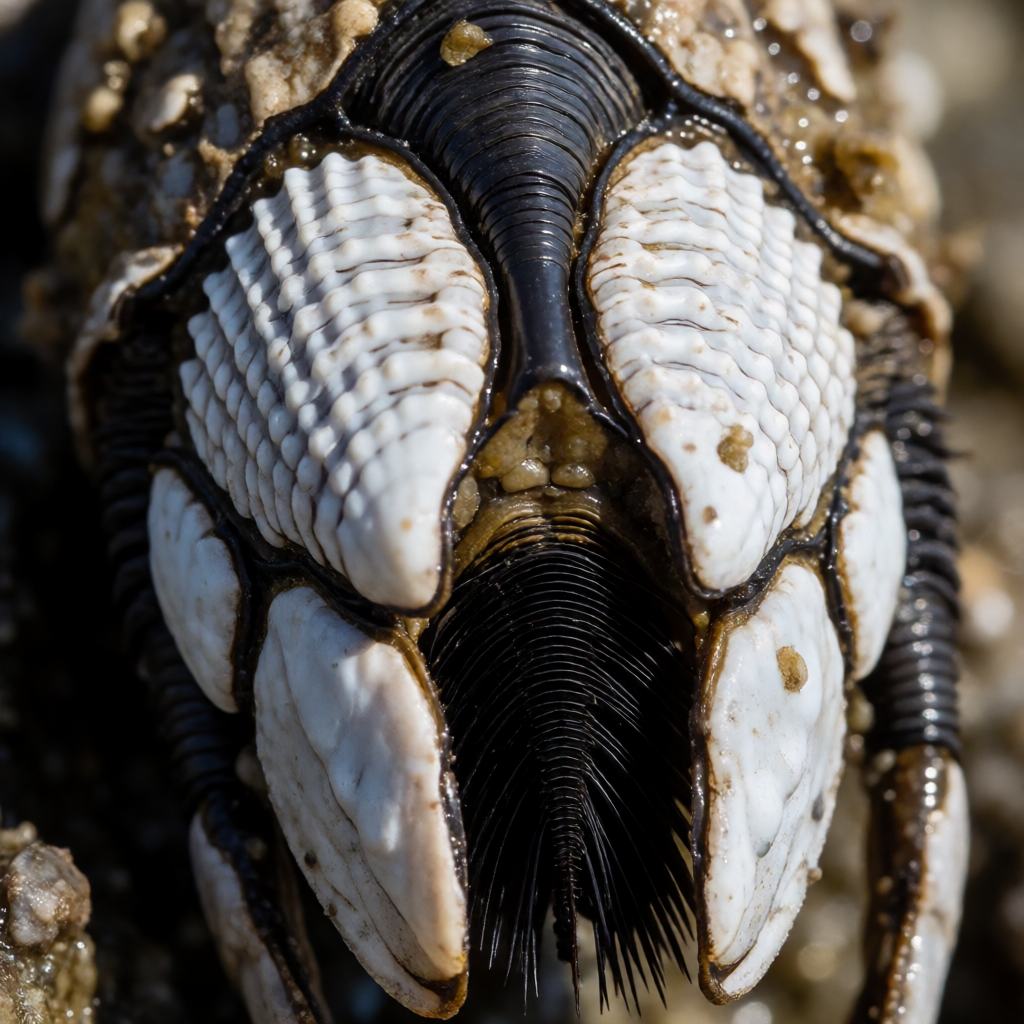
Five smooth plates form the shell. Pale orange edges mark each plate. The shell grows to 5 cm. A leathery stalk supports it, while the plates do the protecting.
Its stalk stretches to 20 cm. Muscle inside can pull it in. Feathery legs sweep the water. Those legs are called cirri.
Cement glues the base down, though nobody has copied the recipe. Because the cement sets under water and never loosens, the animal stays fixed for life and must live wherever the current carries it.
1
2
3
Open ocean, on floating wood
Where it lives
Open ocean is the main home. Tropical and temperate seas both hold it. The animal rides on driftwood. Buoys, hulls and bottles also serve.
Plastic waste has given it new rafts, since the material floats for years. That has widened its range. Storms throw whole colonies ashore. A beached group dies quickly.
Shore birds, however, then eat them. Although the barnacle can settle on a ship, most animals spend their whole adult life drifting, so a single voyage can carry a colony across an ocean.
Plankton from the water
What it eats
This animal filters plankton from the water. Cirri sweep food toward the mouth. Small shrimp are caught too. Larger prey is gripped and pulled in.
Some animals take pieces up to 5 mm wide. Sand fills the gut of a stranded one. Feeding stops on land. Two kinds of feeder exist, though they look identical.
One takes only one kind of prey, while the other eats almost anything. Because the legs work like a net, the barnacle can eat whatever the current brings, and it never has to move.
A drifting life
The breeding cycle
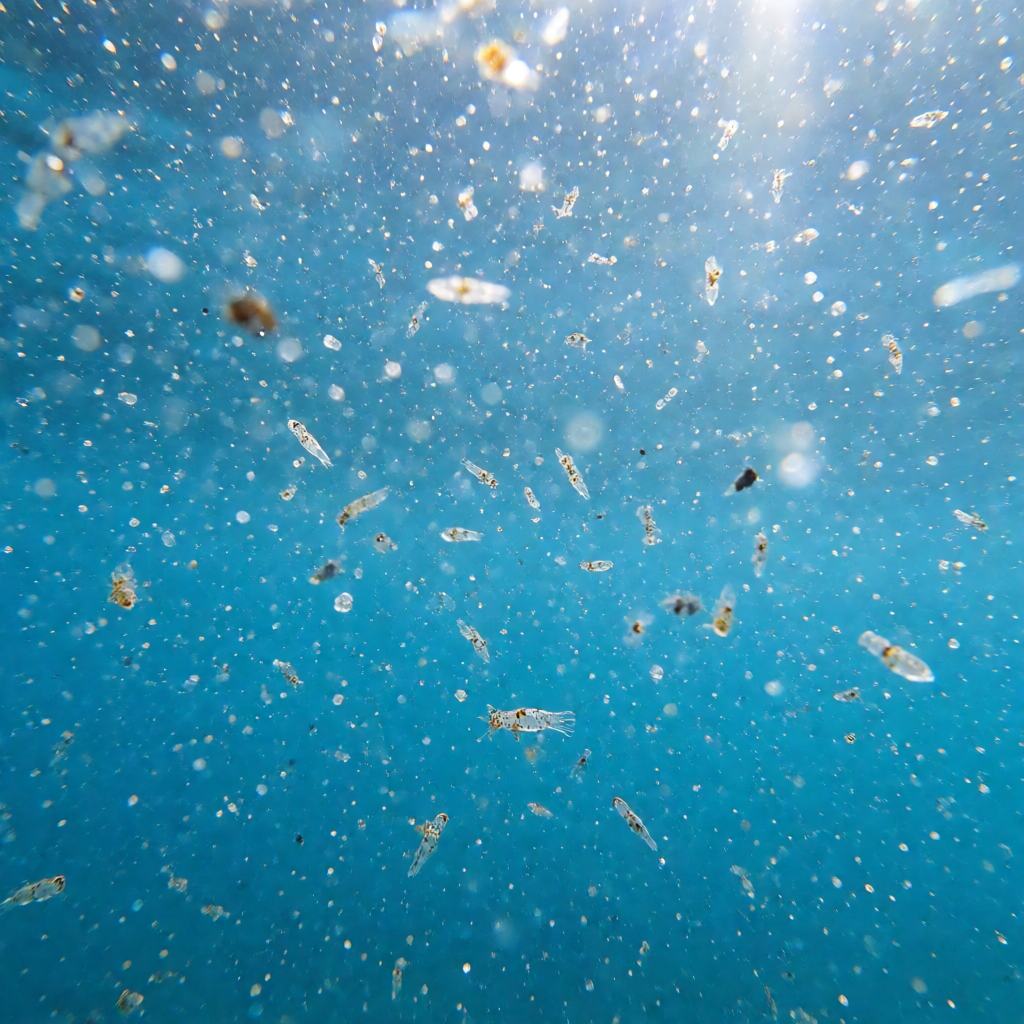
Most barnacles are both male and female. Eggs sit inside the shell. They hatch into larvae there. Each larva swims free for weeks.
Six stages pass before a change. The last stage does not feed, though it swims with purpose. It seeks a hard surface. Glue then fixes it for life.
Adults live a year or more, while the larval trip lasts weeks. Because the larvae drift with the current, a colony on a drifting log can seed a whole new coastline.
No global rating
Conservation
The IUCN has not assessed this barnacle. No protection applies. Numbers, however, look healthy. Plastic waste keeps adding rafts.
That helps the species spread. That same waste harms other animals. Hull fouling costs shipping dear. Drag can raise fuel use by a third.
Copper paints hold them off, though the metal harms other life. Because the barnacle travels on anything that floats, it has no shortage of homes, and its main effect is on the fuel bills of the ships it rides.
Side by side
How It Compares
| Trait | Goose Barnacle | Northern Acorn Barnacle |
|---|---|---|
| Shell | 5 plates on a stalk | 4 plates, glued down flat |
| Stalk | up to 20 cm | none |
| Attaches to | driftwood, buoys and hulls | rocks and piers |
| Range | tropical and temperate seas worldwide | North Atlantic and North Pacific shores |
| Food | plankton and prey up to 5 mm | plankton |
| IUCN status | not assessed | not assessed |
Common misreadings
What People Get Wrong
- A barnacle is a mollusc. It is a crustacean.
- Barnacle geese grow from these shells. People believed that once.
- Its stalk works like a root. In fact it is a flexible body part.
Going further
Sources and Further Reading
- IUCN Red List entry for Lepas anatifera
- Wikipedia, Lepas anatifera
- Southward, A. J. Barnacles. Synopses of the British Fauna, Field Studies Council.
- Museums Victoria Collections. Lepas anatifera species record.
Quick hits
Five things to remember
- It is a crustacean, not a mollusc.
- A barnacle goose was once thought to grow from one.
- The stalk can be 20 cm long.
- A beached colony dies within a day.
- Sailors scrape them off to cut fuel costs.