 By st20113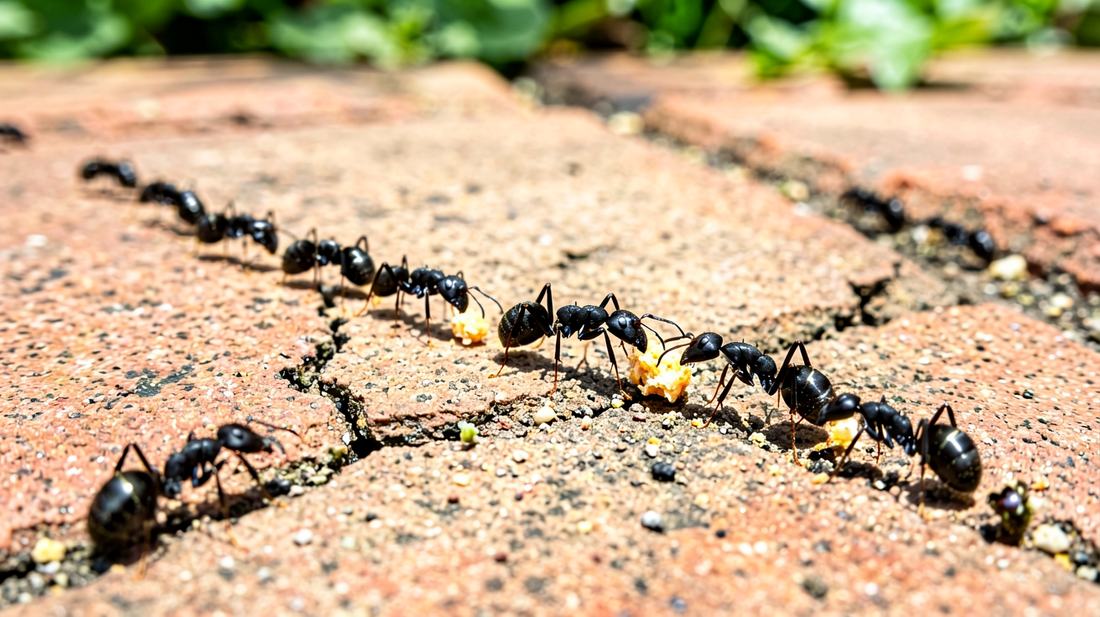
Lasius niger | Black Garden Ant
Species Profile · Formicidae
Black Garden Ant
The small black ant of gardens and pavements, famous for herding aphids and for the swarms of flying ants that fill a hot summer afternoon.
Not assessed by IUCN
Range
Workers
Colony
Queen
Nest
The ant on the path
The black garden ant
Black garden ants are small, shiny, dark insects. They scurry across kitchen floors. They swarm around dropped crumbs on summer afternoons. They are probably the most familiar ant in Europe. Workers measure three to five millimetres. Yet they build colonies of a few thousand ants. A colony can process an extraordinary amount of food in a season.
The species is best known for two habits. The first is its bond with aphids. It herds them, protects them and milks them for honeydew. This bond looks much like farming. The second is the nuptial flight. On one afternoon, winged males and new queens pour from thousands of nests at once. They fill the air with flying insects.
Most people call this flying ant day. Black garden ants nest in soil. They nest under paving stones and in wall cracks. They are important cleaners and soil movers in gardens and grasslands. They bite and spray formic acid if handled. They are harmless to people.
Family tree
Kin of the honey bee
The black garden ant belongs to the order Hymenoptera. It is in the family Formicidae and the genus Lasius. It sits in the subfamily Formicinae. These ants have no sting. They spray formic acid from the tip of the abdomen instead. Its most familiar relative is the European Honey Bee. The two insects share far more than a taste for sugar.
Both are social and live in colonies. Each colony has one egg-laying female. It also has large numbers of sterile daughters. Both communicate through chemical signals. Both depend on flowers and on sugar-rich secretions for energy. Bees and ants are close relatives in the same order. Ants are thought to have evolved from wasp-like ancestors.
Those ancestors lived in groups. The genus Lasius holds about 100 species. It includes the yellow meadow ant and the jet-black ant. Several of them live in gardens and are easily confused. Carl Linnaeus described black garden ants in 1758. They remain a standard subject of lab and school study. They can be kept in simple nests and watched closely.
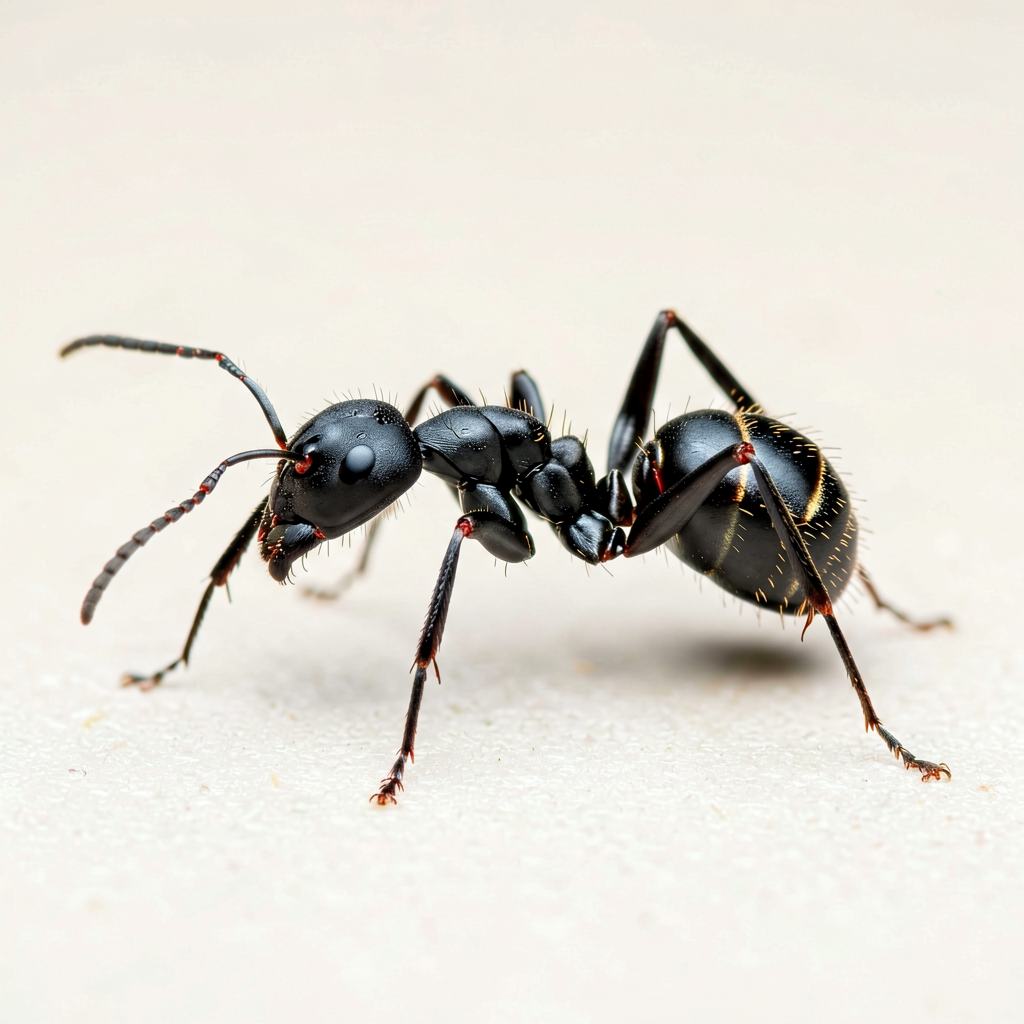
A glossy black worker
How to identify one
A worker is a slender, glossy black insect. It is three to five millimetres long. Its head is slightly wider than its thorax. It has a narrow waist and a rounded abdomen. Fine hairs cover the body. The body is strongly built. The legs are long enough for a fast, jerky walk. Unlike the red wood ant, this species has no sting. Its defence is a squirt of formic acid from the abdomen.
It can aim this at an attacker. Queens are much larger. They are about nine millimetres long. They have shiny black bodies. Before mating flight they carry a pair of wings. Males are smaller than queens. They too are winged. They have thinner bodies and larger eyes. Workers vary in size.
Larger ones take on seed milling and nest defence. Newly emerged queens show wing scars after the wings are shed. The ant has a hard outer skeleton. It moults several times during larval growth. The queen lives an exceptionally long time for an insect. Workers live about a year. A common garden nest holds no more than a few tens of thousands of ants.
1
2
3
Gardens, walls and lawns
Where colonies nest
The black garden ant is native to Europe. It is now found in temperate regions on several continents. These include parts of North America and Asia. It was carried there with soil and plants. It lives in almost any open or lightly shaded ground. The soil must be warm enough to dig. It is common in gardens, parks and lawns. It lives in pastures, hedgerows and old walls. It nests in the cracks of pavements too.
Nests are built in soil. They often sit under a flat stone or paving slab. Such slabs store heat. The mound of dug-out earth at the entrance is familiar. It appears between paving joints. A colony may use a few linked nests. These can spread across a few square metres. Sometimes colonies with several queens form super-colonies. The species prefers dry, well-drained ground.
It avoids waterlogged soil and deep shade. Temperature drives the ant’s daily life. Workers are active from early spring to late autumn. The brood is moved up and down in the nest. This keeps it at the right warmth. Lift a stone and you may see eggs and pupae carried to safety. In winter the ants retreat deep underground. They become inactive. They do not truly hibernate like a mammal.
What it eats
Farming aphids for honeydew
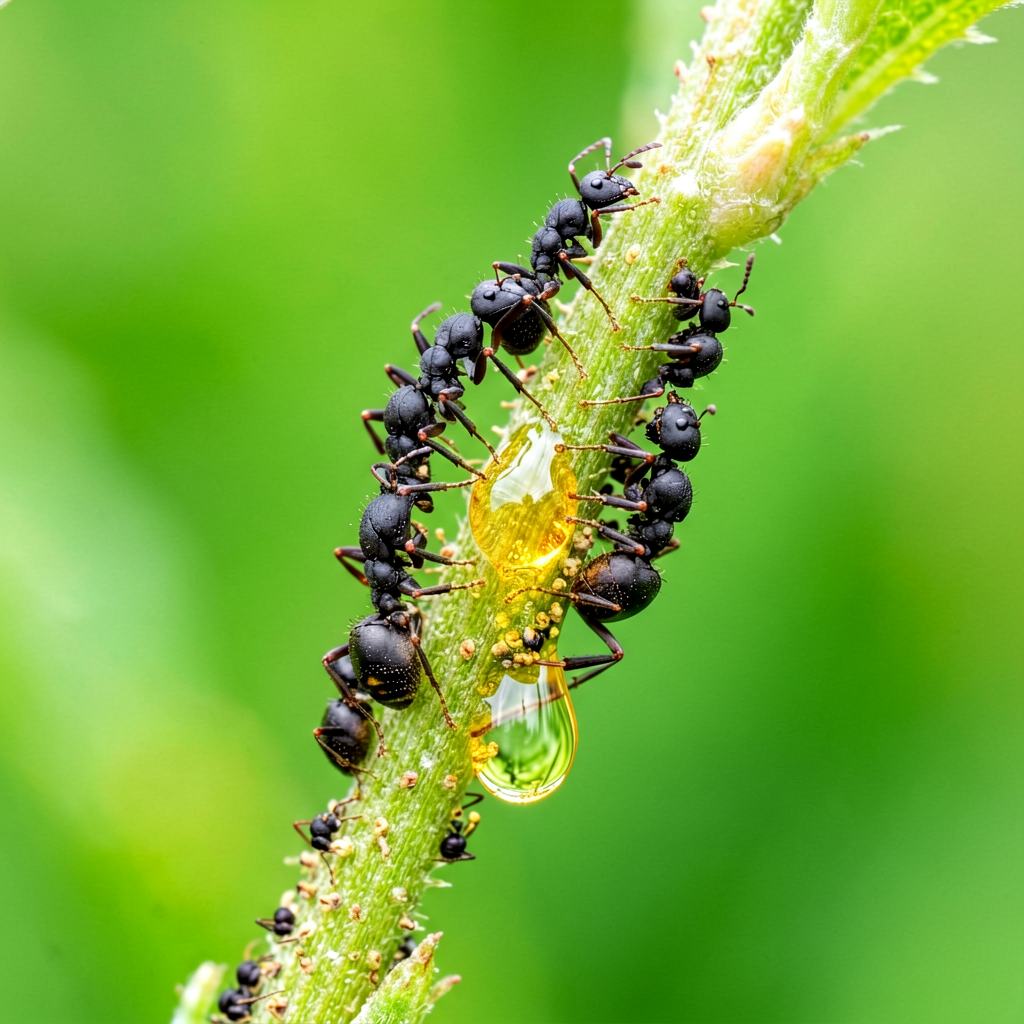
Black garden ants eat a very wide range of foods. They are generalist scavengers with a strong sweet tooth. Their staple is honeydew. This is the sweet liquid made by aphids. Scale insects and some butterfly larvae make it too. One colony can collect many litres of honeydew in a season. Workers tend herds of aphids. They do this on stems and leaves.
They defend the aphids from ladybirds and lacewing larvae. They move them to better feeding sites. In return they collect droplets of honeydew. The ants also hunt small insects and other invertebrates. They take nectar from flowers. They collect seeds that carry a fatty attachment. In gardens they gather crumbs, fruit and dead insects. Protein from animal food feeds the growing larvae.
Adult workers live largely on sugar. This mix makes them a nuisance in houses. A trail of ants can find a sugar bowl within an hour. It recruits hundreds of workers along a scented path. Black garden ants are eaten by birds and hedgehogs. Spiders, beetles and other ants eat them too. Green woodpeckers dig out their nests.
Flying ant day
The nuptial flight
Once a year, mature colonies release winged ants. This happens on a hot, humid afternoon. It is usually in July or August, soon after rain. Every colony in an area does this at once. The event is the nuptial flight. It causes the mass swarms of flying ant day. Queens and males from other colonies meet in the air. They mate. The males die within hours.
A newly mated queen lands. She sheds her wings. She digs a small chamber in the soil. She seals herself inside. She raises her first brood alone. She lives on fat stored in her body. She also uses her now useless flight muscles. She lays a small clutch of eggs. They grow into tiny workers.
The workers open the nest and begin to forage. After that the queen lays eggs only. She never leaves the nest again. A colony usually makes its first winged offspring after three or four years. Queens can live more than a decade. They may lay hundreds of thousands of eggs in a lifetime. Sometimes a young queen joins an existing colony. It must be of the same species. Such nests then hold more than one queen.
Common and useful
An ant that turns the soil
The black garden ant is common. It is expanding in many areas. It has no threatened status. In parts of North America it is seen as an introduced nuisance. It is not a conservation concern there. Its abundance makes it an important ecological player. Colonies turn over large volumes of soil. They aerate it and mix in organic matter.
They spread the seeds of many wildflowers. These seeds carry fatty attachments. The link is called myrmecochory. The ants clean up dead insects and waste. They are a major food source for birds and mammals. The same habits make them farm pests in places. The aphids they protect can harm crops and garden plants. Controlling the ants is sometimes the only way to control the aphids.
Colonies are easily disturbed. Paving, building work and soil compaction hurt them. They return quickly though. In most gardens numbers are limited by weather. They are also limited by the summer honeydew supply. Europe has no management measures for the species. Garden ant nests are best left alone. This holds unless they invade buildings.
Quick hits
Five things to remember
- Black garden ants keep aphid herds as livestock. They protect the aphids from predators. They collect the aphids’ sweet honeydew.
- A queen can live more than ten years. She is one of the longest-lived insects known.
- Flying ant day happens when thousands of colonies release queens and males. They do so on the same hot, humid afternoon.
- Newly mated queens seal themselves in an underground chamber. They raise their first workers without eating at all.
- The species has no sting. It defends itself by spraying formic acid from its abdomen.