 By st20113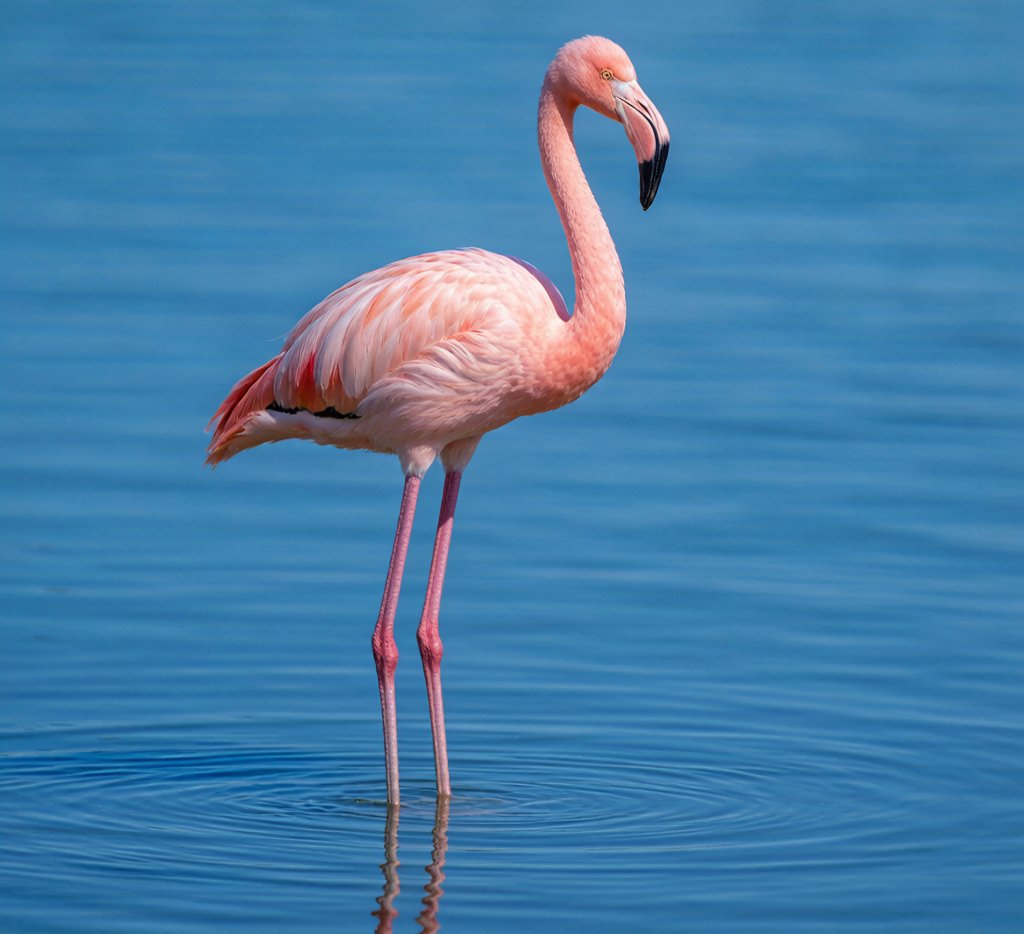
Introduction
The greater flamingo is the tallest and most widespread of the world’s six flamingo species. Found across Africa, southern Europe, and southwest Asia, these iconic birds are recognized by their towering height, rosy-pink plumage, and their habit of feeding with their heads inverted in shallow water. They gather in vast flocks that can number in the thousands, creating one of the most spectacular sights in the natural world. Despite their striking appearance, much of their biology is finely tuned to life in harsh, saline wetland environments where few other birds can survive.
Taxonomy
The greater flamingo belongs to the family Phoenicopteridae, order Phoenicopteriformes, and genus Phoenicopterus. Its species name, roseus, comes from the Latin word for pink, a direct reference to its colorful plumage. Among the six living flamingo species, the greater flamingo is the only member of its genus found in the Old World. Fossil evidence suggests flamingo lineages date back over 30 million years, making them among the most ancient of all bird families.
Physical Characteristics
Adult greater flamingos stand 110 to 150 centimeters tall and weigh up to 4 kilograms, making them the largest flamingo species. Their plumage ranges from pale white to vivid pink, with the most intense coloration on the wings, neck, and back. The bill is sharply bent downward and lined with lamellae—fine comb-like structures that filter food from water. Their legs are unusually long, often exceeding 90 centimeters. Juveniles are predominantly gray-brown and gradually acquire adult pink coloration over their first two to three years.
Habitat
Greater flamingos inhabit alkaline and saline lakes, coastal lagoons, tidal flats, and estuaries across their range. They prefer large, undisturbed expanses of shallow water rich in food and free of dense vegetation. Key populations are found in southern Spain, the Camargue in France, the Rann of Kutch in India, the saline lakes of East Africa, and North African coastal wetlands. These sites provide the open space and productive waters that flamingo colonies need for both foraging and nesting.
Diet
The diet of the greater flamingo consists primarily of algae, cyanobacteria, and small aquatic invertebrates such as brine shrimp and insect larvae, all filtered through the specialized lamellae of their uniquely curved bill. Carotenoid pigments in their food are responsible for the vivid pink color of their feathers—a classic example of dietary coloration. Flocks often travel considerable distances between roosting and foraging sites, using their long legs to stir up bottom sediment and extract organic matter from the water column.
Reproduction
Greater flamingos breed in enormous colonies that may contain tens of thousands of individuals, engaging in synchronized group courtship displays. A single egg is laid in a mud-mound nest built by both parents, and both take turns incubating it for approximately 28 days. The chick is born gray-brown with a straight bill and joins a creche—a group of chicks supervised by adults—shortly after hatching. Parents feed their chick with a nutrient-rich crop milk secretion for about two months until it can fly and forage independently.
Conservation
The greater flamingo is classified as Least Concern by the IUCN, with an estimated global population of 600,000 to 700,000 mature individuals. While the overall population appears stable, local populations are declining due to wetland habitat degradation, agricultural pollution, and human disturbance at breeding sites. Several key sites, including the Flamingo Sanctuary at the Rann of Kutch and the Camargue wetlands, are protected under national and international legislation.
Fun Facts
Greater flamingos are among the longest-lived birds, with individuals in captivity sometimes exceeding 40 years of age. Unlike most birds, they can sleep standing on one leg thanks to a specialized locking tendon mechanism. A group of flamingos is called a flamboyance—a name perfectly suited to a bird whose vivid pink plumage makes it one of the most visually striking creatures in the natural world. They are also highly vocal, producing loud honking, grunting, and trumpeting calls both in flight and on the ground. Their pink color can fade during the breeding season when the demands of raising a chick draw down their carotenoid reserves, then gradually returns as they resume a rich diet.