 By st20113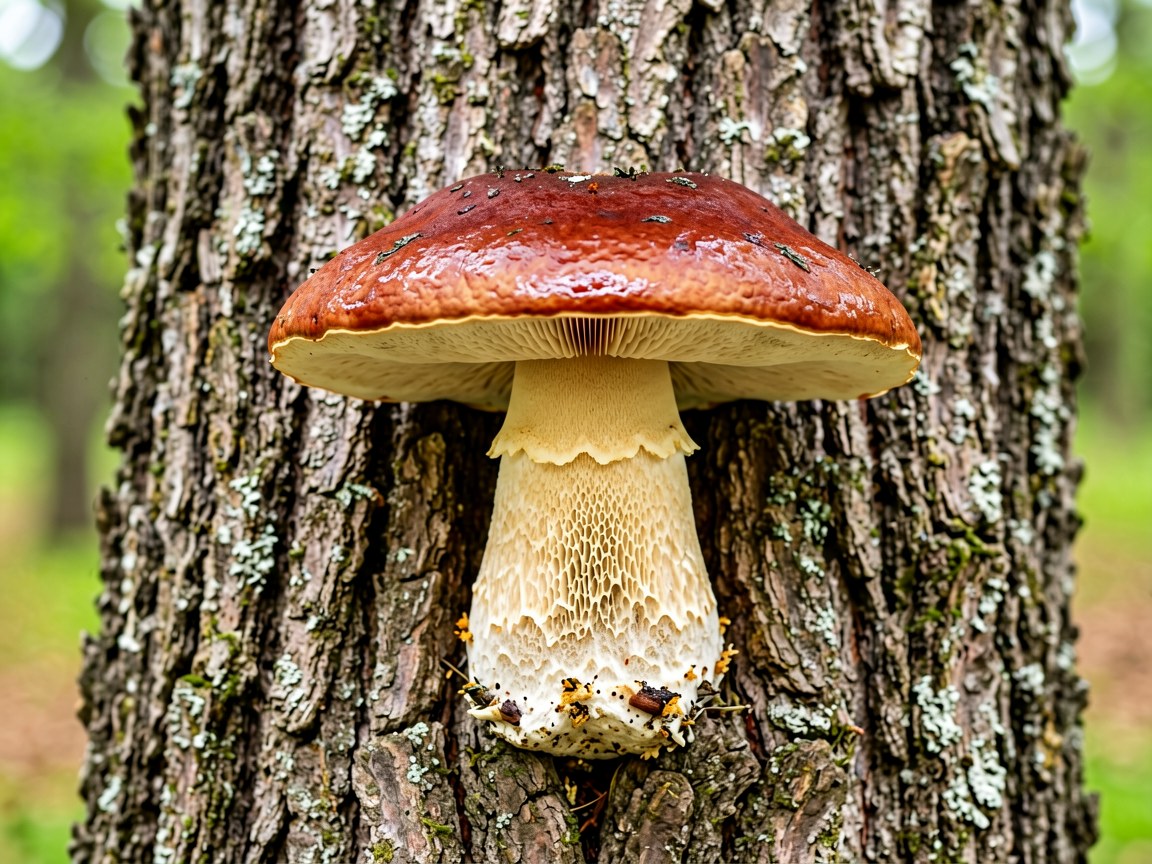
Fistulina hepatica | Beefsteak Fungus
Introduction
The beefsteak fungus (Fistulina hepatica) is a remarkable bracket fungus that earns its name from looking and even bleeding like a raw steak. Growing on living oak and sweet chestnut trees, it is a fleshy, reddish-brown bracket with a moist, tongue-like surface that oozes a deep red juice when cut. It is edible and has long been gathered as a curiosity of the woods.
Taxonomy
Fistulina hepatica is placed in its own family, Fistulinaceae, within the order Polyporales. Its genus name means “little tube” and refers to the tiny, separate tubes on its underside, while hepatica means “liver-like,” describing its colour and shape. It is a fungus like the familiar Amanita muscaria, living by absorbing nutrients rather than by making its own food through photosynthesis.
Physical Characteristics
The beefsteak fungus forms a fleshy, fan- or tongue-shaped bracket 10–25 cm across, with a slippery, blood-red to brown upper surface that wrinkles with age. The underside is creamy and covered in minute pores that look like a dense sponge. Cut or bruised, it weeps a reddish, blood-like juice, and the flesh is fibrous and meaty. It has no stalk to speak of, attaching directly to the tree.
Habitat
This fungus grows mainly on living broadleaf trees, especially oak and sweet chestnut, in woods, parks, and old estates across Europe and beyond. It fruits in late summer and autumn, pushing out from the trunk or a large branch. Though it looks alarming, it is usually a weak parasite and a decomposer, slowly breaking down the wood rather than killing healthy trees outright.
Diet
Beefsteak fungus is heterotrophic. It cannot photosynthesise; instead its mycelium penetrates the wood and secretes enzymes that digest cellulose and lignin, the tough components of the tree, absorbing the sugars released. As both a mild parasite and a rotter of dead wood, it plays a useful part in returning tree carbon to the forest floor.
Reproduction
Like other bracket fungi, it reproduces by spores formed in the pores on its underside. Millions of tiny spores are released and carried on the air; those that land on suitable living or newly dead wood can establish new mycelium. The bracket itself is the short-lived fruiting stage, while the feeding mycelium persists within the tree for years.
Conservation
The beefsteak fungus is common and widespread and is not considered threatened. It benefits from the presence of veteran oaks and sweet chestnuts, so the conservation of old, open-grown trees in wood pastures and parks supports it. Because it is edible and distinctive, it is sometimes collected, but populations are generally robust.
Fun Facts
- When sliced, it “bleeds” a red juice that has been used as a natural dye for wool.
- Its texture and slight tang have led some cooks to use it as a meat substitute.
- It causes a reddish, fox-like brown rot in oak that was once valued for furniture veneer.
- The bracket looks so like raw meat that foragers sometimes mistake it for discarded steak.
- Despite the gory appearance, it is entirely safe to eat when cooked.