 By st20113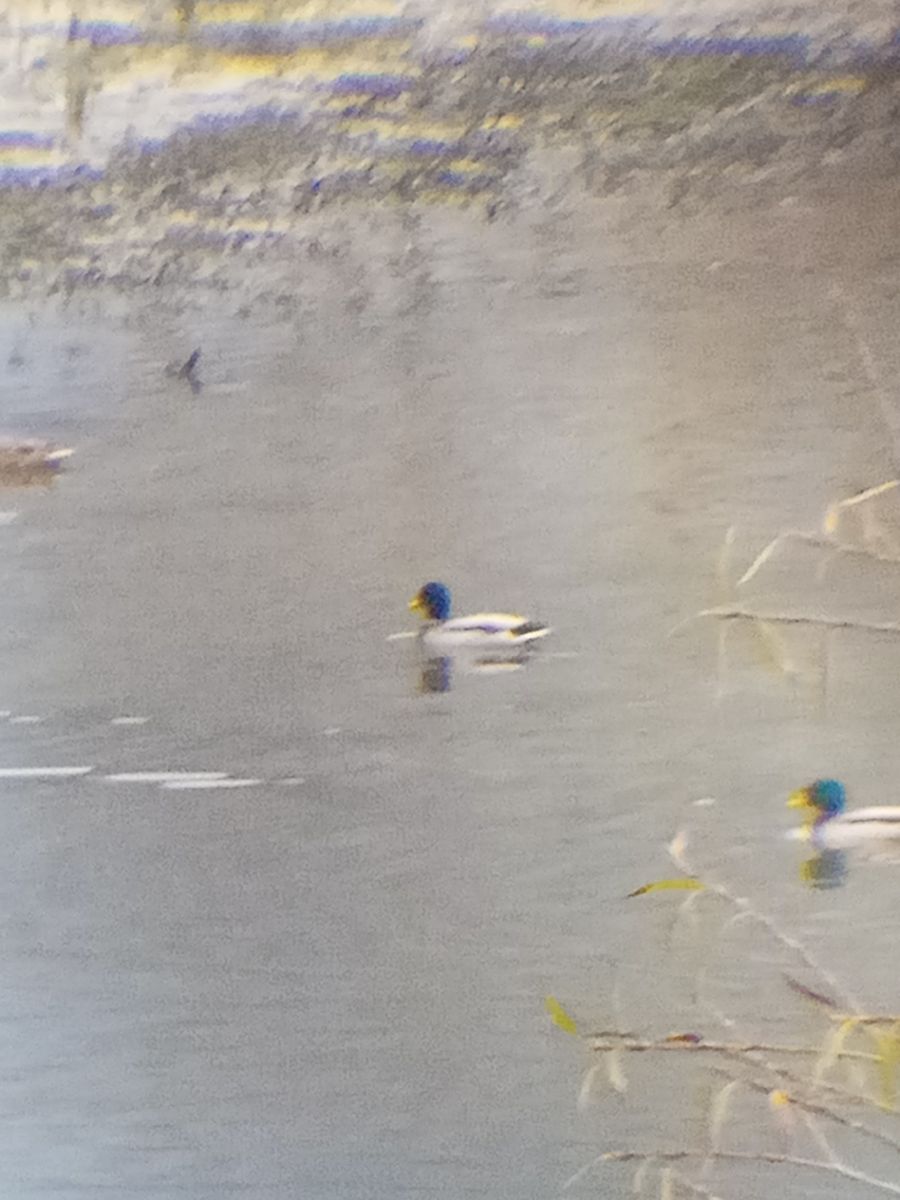
Introduction
The Mallard (Anas platyrhynchos) is the most widespread and recognizable wild duck in the Northern Hemisphere. Found across Europe, Asia, and North America, it has also been introduced to Australia, New Zealand, and parts of South America. Males display a glossy green head, a yellow bill, and a curled black feather on the tail, while females wear mottled brown plumage that provides excellent camouflage. This adaptable bird thrives in wild wetlands and busy city parks alike, often the duck species people picture first. Its familiarity hides a remarkable story of global success and close ties to the domestic duck.
Taxonomy
The Mallard belongs to the family Anatidae, within the genus Anas, which includes many dabbling ducks that feed by tipping forward in shallow water. First described by Carl Linnaeus in 1758, Anas platyrhynchos has several recognized subspecies across its range. The species is the ancestral source of most domestic duck breeds, and it readily hybridizes with related wild ducks, a fact that concerns conservationists working to protect genetically pure local populations.
Physical Characteristics
Adult Mallards measure 50 to 65 centimeters in length with a wingspan near 90 centimeters. The breeding male is unmistakable: an iridescent green head set off by a white neck ring, a chestnut-brown chest, and a pale grey body. His bill is a bright yellow. The female is predominantly brown with darker mottling and an orange-and-black bill. Both sexes show a brilliant blue speculum, a patch on the wing bordered with white, visible in flight. Males molt into a cryptic eclipse plumage after breeding that resembles the female.
Habitat
Mallards occupy almost any freshwater body, from tiny village ponds to large lakes, slow rivers, marshes, and flooded fields. They also exploit human-made habitats such as ornamental park lakes, urban canals, and agricultural ditches. Unlike some waterfowl that demand pristine wilderness, Mallards tolerate moderate disturbance and pollution, which explains their abundance near people. In winter they may gather in huge flocks on ice-free estuaries and coastal lagoons alongside other waterbirds such as the Great White Pelican.
Diet
Mallards are omnivorous and highly flexible feeders. They dabble at the surface and up-end in shallow water to reach seeds, aquatic plants, roots, and tubers. Invertebrates such as insects, snails, and crustaceans form a large part of the summer diet, especially for growing ducklings. On land they graze grass and glean spilled grain from farmland. This generalist appetite lets them exploit city parks, where visitors feed them bread, though nutritionists note that natural foods are far healthier.
Reproduction
Breeding begins in spring. The female selects a nest site on the ground, often hidden in dense grass or reed beds near water, sometimes in unusual spots such as balcony planters. She lays a clutch of eight to thirteen creamy eggs and incubates them alone for about twenty-eight days while the male guards the territory nearby. The precocial ducklings leave the nest within a day, feeding themselves but staying with the mother. A single brood is typical, though replacement clutches can occur if the first fails.
Conservation
The Mallard is classified as Least Concern by the IUCN. Global populations number in the tens of millions and remain stable or increasing in many regions thanks to the bird’s adaptability. Local pressures include habitat loss, lead poisoning from spent shot, and genetic dilution through hybridization with released domestic ducks. Responsible management of wetlands and control of invasive competitors help keep wild populations robust.
Fun Facts
1. Nearly every domestic duck in the world traces its ancestry to the Mallard. 2. Only the female produces the classic quack; males utter a quieter, rasping call. 3. Mallards can take off almost vertically from water, a useful escape from predators. 4. In flight they reach speeds over 60 kilometers per hour during migration. 5. Urban Mallards sometimes nest far from water and lead their day-old ducklings on lengthy walks to the nearest pond.
[…] in recent decades, making it a conservation priority across its range. Unlike the more familiar mallard, which remains common across Europe, the turtle dove has become increasingly rare. This species […]
[…] it gathers in large flocks on ice-free water. It belongs to the same diving duck group as the Mallard‘s more specialised relatives and is a familiar sight to birdwatchers across the […]
[…] become a familiar part of both wild wetlands and urban parks. Their close relatives include the Mallard and other waterfowl that share the same […]
[…] geese and swans. It is in the order Anseriformes. Its closest familiar relative on this site is the Mallard. They share the same family and many habits. The mallard nests on the […]