 By st20113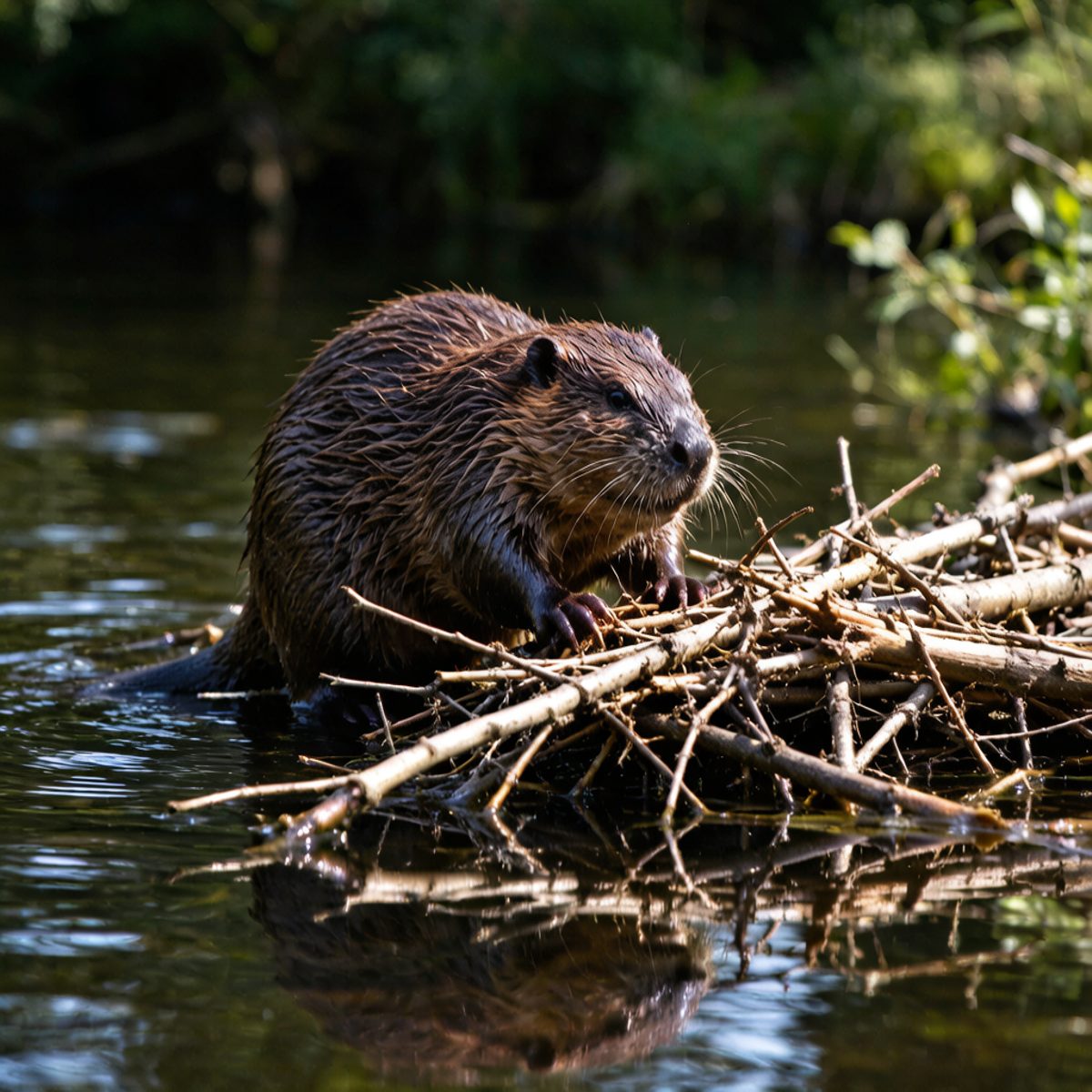
Introduction
The Eurasian beaver, scientifically Castor fiber, is a large semiaquatic rodent famous across Europe for its remarkable ability to build dams, lodges, and canals. Once hunted to the brink of extinction for its fur and scent glands, it has made a spectacular comeback through protection and reintroduction. As a keystone species, it reshapes rivers and wetlands, creating habitats that benefit countless other animals. Few wild creatures have such a profound and visible effect on the landscapes they inhabit. Across a single valley a family of beavers can transform a narrow brook into a chain of ponds within a few seasons, slowing floods and keeping water tables high through dry months. The resulting wetlands become nurseries for amphibians, resting places for migratory birds, and hunting grounds for otters and herons. Scientists now study beaver engineering as a cheap, natural form of flood defence that also stores carbon in saturated soils.
Taxonomy
The Eurasian beaver belongs to the order Rodentia, the rodents, within the family Castoridae and the genus Castor. It is one of only two living beaver species, the other being the North American beaver. Although it shares European woodlands with predators such as the red fox and the brown bear, the beaver is a peaceful herbivore that rarely meets these carnivores in its watery world.
Physical Characteristics
An adult Eurasian beaver measures 80 to 100 centimeters in body length with a flat, paddle-shaped tail of 25 to 30 centimeters, weighing 11 to 30 kilograms. Its dense, waterproof fur is reddish brown to blackish brown. The large webbed hind feet act like flippers, while the front paws are dexterous for carrying branches. The most striking feature is the pair of continuously growing, orange-tinted incisors used to fell trees. Small ears, nostrils, and eyes are set high to stay above water when swimming.
Habitat
Beavers occupy slow-moving rivers, streams, lakes, and ponds with abundant trees along the banks. They prefer willow, aspen, birch, and alder, which they use for food and construction. Where natural deep water is lacking, they build dams of sticks, mud, and stones to raise the water level, flooding the area and creating secure lodges with underwater entrances. These flooded wetlands store water, reduce erosion, and shelter fish and amphibians through dry summers.
Diet
Beavers are strict herbivores. In summer they eat aquatic plants, grasses, and leaves; in autumn and winter they rely on the bark, twigs, and roots of trees, especially willow, aspen, and poplar. They cache branches underwater near the lodge to eat when the surface freezes. A single beaver may fell dozens of small trees in a year, carefully selecting species it can digest. Their feeding opens up woodlands and creates sunny clearings that many other species exploit.
Reproduction
Beavers are monogamous and typically pair for life. Mating occurs in winter, and after a gestation of about 105 days the female gives birth to one to four kits inside the lodge. The kits are born furred and can swim within days. Both parents and sometimes older siblings help care for the young, which remain with the family for two years before dispersing to find their own territory. Sexual maturity is reached at about three years of age in the wild.
Conservation
By the early twentieth century the Eurasian beaver was extinct across most of its range, surviving only in a few refuges. Legal protection and numerous reintroduction projects have restored populations to many countries, and the species is now listed as Least Concern. Beavers are generally welcomed for the wetland services they provide, though conflicts with forestry and farmland occasionally require careful management. Their return is one of Europe’s great conservation success stories.
Fun Facts
A beaver’s iron-rich teeth appear orange and stay sharp because the enamel contains iron. The flat tail serves as a rudder, a fat store, and a warning slapped on water to alert family of danger. Beavers can remain submerged for more than ten minutes on a single breath. Their dams can span several meters and may last for generations. By flooding fields, they unintentionally create nurseries for frogs, fish, and dragonflies.