 By st20113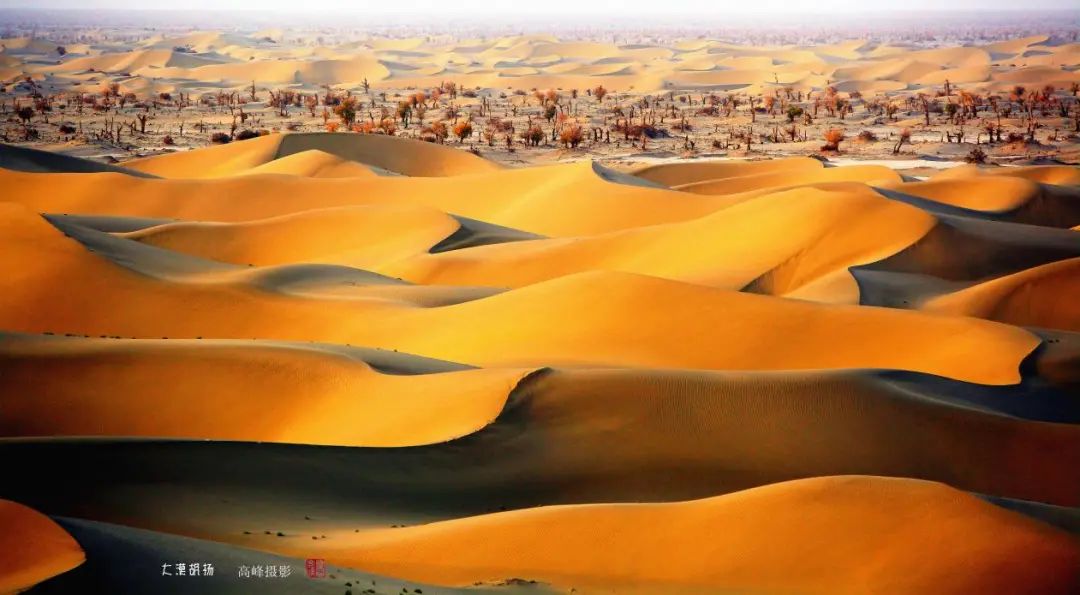
A Desert Ecosystem is defined not by its geographic location but by its defining climatic characteristic: extreme aridity, with annual precipitation typically below 250 mm (10 inches) and in hyperarid deserts below 25 mm. Deserts cover approximately one-third of Earth’s land surface and occur on every continent, from the Sahara – the largest hot desert at over 9 million square kilometers – to the cold Gobi of Central Asia, the coastal Atacama of South America, where some areas have recorded no rainfall for over 400 years, to the Antarctic and Arctic ice deserts, where the limiting factor is not water availability but temperature. Far from the barren, lifeless landscapes of popular imagination, deserts support rich and complex ecosystems, with extraordinary biodiversity and ecological sophistication that represent millions of years of evolutionary adaptation to one of the most challenging environments on Earth. Desert ecosystems are among the most sensitive to climate change, with both desertification (expanding desert boundaries) and altered precipitation patterns threatening already-fragile ecological balances.
Water Conservation: The Central Organizing Principle
Water is the organizing principle of desert ecosystems, and desert organisms have evolved an extraordinary suite of adaptations to extract, store, conserve, and time the use of every drop of available moisture. Plants exhibit three primary strategies: drought avoidance (completing their life cycle in the brief period after rare rains), drought tolerance (surviving drought through physiological mechanisms that maintain cell function at low water potentials), and drought evasion (using deep root systems or ephemeral leaves to avoid the driest conditions). The saguaro cactus (Carnegiea gigantea) of the Sonoran Desert stores up to 200 liters of water in its accordion-ribbed trunk, while the creosote bush (Larrea tridentata) produces root systems that can extend over 30 meters in all directions, enabling it to access water from a vast soil volume and to release allelopathic chemicals that inhibit the growth of nearby competitors – a chemical warfare strategy that helps it dominate in an environment where water competition is fierce.
The desert Water Cycle operates differently from that of more humid environments: precipitation arrives in infrequent but sometimes torrential events, with intense rainfall rapidly running off impervious desert surfaces into arroyos and dry riverbeds (washes), where it may flow for hours before infiltrating into the ground or evaporating. Fog and dew – condensation from the atmosphere onto plant surfaces and the ground – provide critical supplementary water for many desert organisms, particularly in coastal deserts where fog is frequent. The Atacama Desert’s hyperaridity – the result of rain shadow effects from the Andes, cold ocean currents offshore, and the subtropical high-pressure system that suppresses atmospheric moisture – illustrates how the interaction of atmospheric circulation patterns, topography, and ocean currents can create environments of extreme water scarcity that remain biologically active through fog collection and extreme physiological adaptation.
Desert Fauna and Thermal Biology
Desert animals face the dual challenge of heat and water stress, with body temperature regulation requiring different strategies depending on body size. Small mammals like kangaroo rats (Dipodomys spp.) and desert rodents avoid heat stress by being nocturnal – active only during the cool night, when they emerge from underground burrows to forage on seeds and vegetation that are themselves adapted to desert conditions. By spending the day in burrows where temperature and humidity are more moderate, these small mammals dramatically reduce both water loss through evaporation and the energetic cost of thermoregulation. Larger mammals – like the fennec fox of the Sahara and the addax antelope – rely on a combination of behavior (seeking shade, reducing activity during the hottest hours), physiological adaptation (concentrating urine and feces to minimize water loss, dissipating heat through large ears or surface area), and evolutionary body plan (the fennec fox’s enormous ears are rich in blood vessels that efficiently radiate excess body heat). These thermal adaptations parallel the strategies of Arctic Foxes, which minimize heat loss through small extremities – demonstrating how the same anatomical features (ears, body proportions) evolve in opposite directions depending on whether the selective pressure is heat dissipation or heat conservation.
Desertification and Climate Change
Perhaps the most significant challenge facing desert ecosystems today is climate change, which is intensifying desertification – the degradation of dryland ecosystems through a combination of climate variability and human activity – across vast areas of the world’s arid zones. As temperatures rise and precipitation patterns shift, the boundaries of the world’s major deserts are expanding in some regions while unprecedented rainfall events in others trigger flash floods and ecosystem disruption. The interplay between Water Cycle changes and desert ecology is particularly acute: altered monsoon patterns are affecting the Sahel region south of the Sahara, changing the balance between grass and shrub vegetation and affecting the migration routes and food supplies of pastoral peoples and the wildlife – including Gray Wolfs and African Wild Dogs – that depend on these transitional environments.
[…] range they show a strong tolerance for arid conditions, making them frequent inhabitants of the Desert Ecosystem. They are also unusually adaptable around human-modified landscapes, sometimes hunting in […]