 By st20113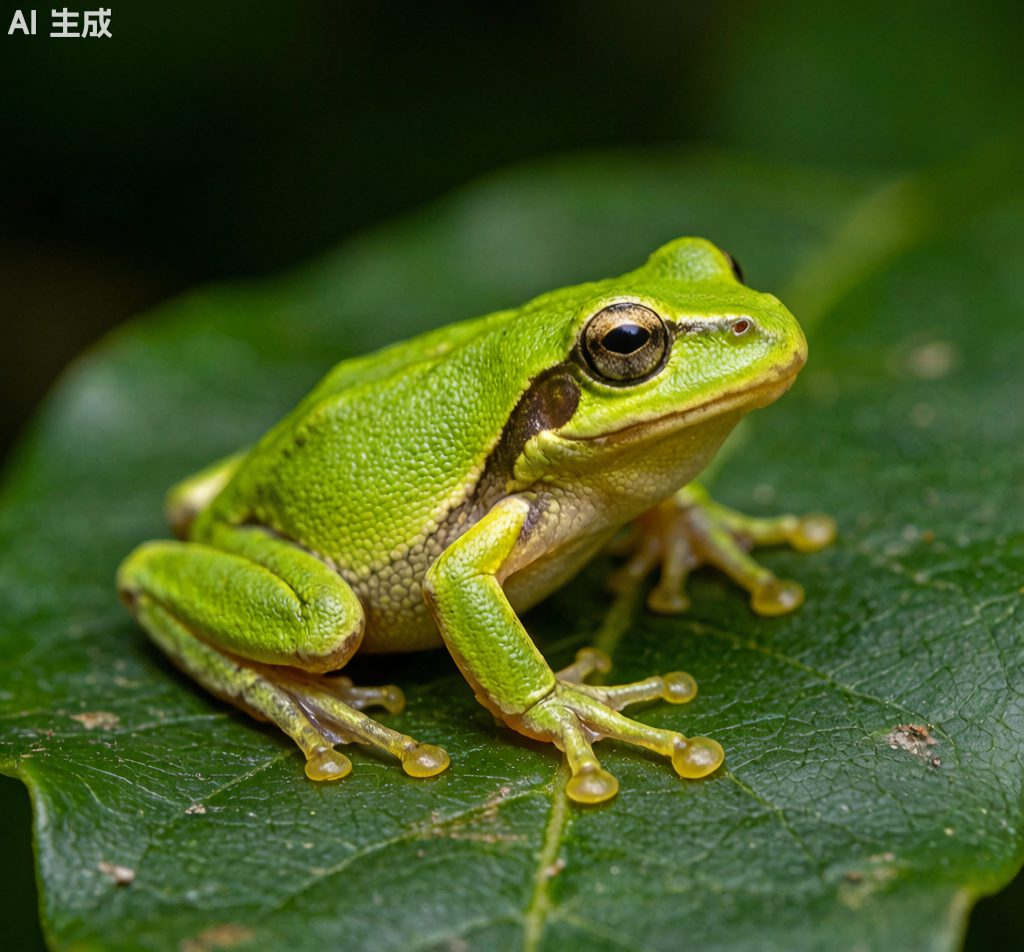
Introduction
The Common Tree Frog (Hyla arborea) is a small, bright green amphibian famous for its loud, melodious calls and adhesive toe pads. Distributed across central and southern Europe, this species inhabits wetlands, meadows, and gardens with scattered trees. The common tree frog is an excellent climber and spends much of its life off the ground. Its breeding choruses are a hallmark of European spring nights.
The common tree frog’s sensitivity to water quality and pesticide exposure makes it a valuable bioindicator of wetland health. Garden ponds have become important refuges for the species in human-dominated landscapes. Conservation efforts emphasize reducing chemical use and maintaining connectivity between breeding sites.
Taxonomy
Hyla arborea belongs to the family Hylidae, the tree frogs, which are mostly New World in origin. The genus Hyla contains many species, with the common tree frog being the widespread European representative. Several subspecies and closely related species occur around the Mediterranean. Genetic studies have clarified the species’ range and relationships. The species name arborea refers to its arboreal lifestyle.
Physical Characteristics
Common tree frogs are small, 3 to 5 centimeters long, with smooth bright green skin that can shift to brown for camouflage. They have large eyes with horizontal pupils and round adhesive toe pads. The common toad is terrestrial and much larger.
Habitat
This species inhabits lowland wetlands, ponds, floodplain forests, meadows, and gardens with vegetation. It requires water bodies for breeding and dense vegetation for foraging and shelter. The tree frog is active mainly at night. The grass snake may hunt near the same ponds.
Tree frogs rely on a combination of aquatic and terrestrial habitats that must remain close enough for annual migrations. Fragmentation by roads and intensive agriculture can isolate populations and reduce genetic exchange. Maintaining hedgerows and pond clusters helps preserve the species’ metapopulation structure across landscapes.
Diet
Common tree frogs feed on insects, spiders, and other small invertebrates captured with a long, sticky tongue. They are ambush predators that wait on leaves for passing prey. The species helps control mosquito and pest populations. Tree frogs are themselves prey for birds, snakes, and mammals.
The common tree frog’s dependence on temporary and permanent water bodies makes it vulnerable to drought and drainage. The species’ dispersal ability is limited, so isolated ponds support separate populations. Climate warming may shift the species’ range northward in some regions.
Reproduction
Breeding occurs in spring when males gather at ponds and call to attract females. Females lay clusters of eggs attached to aquatic vegetation. Tadpoles develop over two to three months before metamorphosis. The red fox may occasionally capture adults near water edges.
Creating and protecting garden and natural ponds greatly supports common tree frog populations. Reducing insecticide use preserves the insect prey the species depends on. Maintaining hedgerows and trees provides essential terrestrial habitat. The species’ chorus indicates healthy wetland networks in the landscape.
Conservation
The common tree frog is not globally threatened but has declined locally due to wetland drainage and pesticide use. Conservation focuses on pond protection and reducing chemical inputs. The species benefits from garden ponds and natural wetlands. It is protected under European legislation.
Fun Facts
The common tree frog’s call can exceed 100 decibels during breeding choruses, among the loudest of European amphibians. Its toe pads work through capillary forces, allowing it to cling to smooth leaves. The species can change color from green to brown within minutes to match surroundings. Tree frogs close their eyes with lower eyelids during sleep. The species’ scientific name means “tree-dwelling” in Latin.
Common tree frogs can inflate their vocal sacs to produce resonating calls that carry across ponds at night. The species’ climbing ability depends on specialized toe pads that work like tiny suction cups. Tree frogs can remain motionless for hours while ambushing prey, relying on camouflage. The species’ chorus is considered a hallmark of healthy European wetlands in spring.
Observation of tree frogs is easiest at night near well-vegetated ponds, where males call from leaves and stems. The species’ bright green color provides camouflage among foliage during the day. Citizen science recordings of calling sites help track population trends. The common tree frog remains a beloved symbol of European wetland biodiversity.
[…] of the genus Discoglossus. The genus sits within Alytidae, a family it shares with the well-known Common Tree Frog‘s more distant relatives and with other fragmented-backed frogs. Close relatives include […]