 By st20113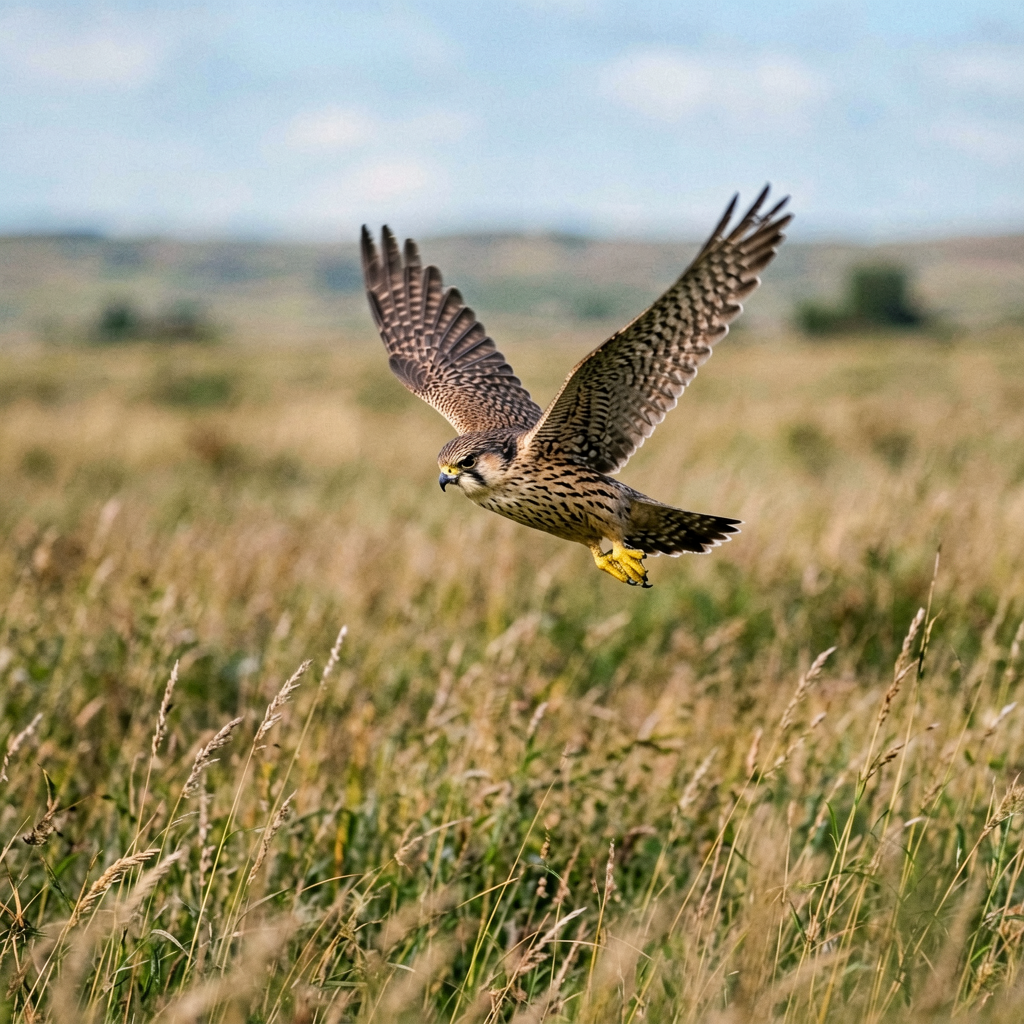
Introduction
The Common Kestrel (Common Kestrel Falco Tinnunculus) is a remarkable species found across various habitats in Europe. This fascinating creature has adapted remarkably well to its environment, developing unique characteristics that help it survive and thrive in the European wilderness over thousands of years.
One of the most striking aspects of the Common Kestrel is its ecological importance within European ecosystems. These animals play crucial roles in maintaining balanced food webs, serving as both predators and prey in their natural habitats alongside species like the Red Fox and other wildlife throughout the continent.
Taxonomy
Scientifically classified within its respective family, the Common Kestrel represents an important member of European biodiversity. Taxonomists have studied this species extensively, recognizing its unique position in the ecosystem and its evolutionary relationships to other related organisms such as the European Hare.
The species name reflects its distinctive characteristics, which set it apart from closely related species in the same genus. Modern molecular studies and DNA analysis have helped clarify the evolutionary relationships within this group over recent decades.
Physical Characteristics
Adults typically measure between 30-50 centimeters in length, with weights ranging from 0.5 to 2 kilograms depending on the season, sex, and subspecies. The coloration varies from dark brown to grey, providing excellent camouflage in their natural habitat among vegetation and rocky outcrops throughout Europe.
Notable features include specialized adaptations for survival, such as keen senses, efficient locomotion, and effective thermoregulation. These physical traits have been crucial for the species’ success across its European range, similar to adaptations seen in the Common Toad and other co-existing species.
Habitat
This species prefers a variety of habitats including woodlands, grasslands, wetland edges, and rocky areas. They are particularly fond of areas with dense vegetation cover and adequate shelter, which provides both food resources and protection from predators throughout the year.
Throughout Europe, these animals can be found in national parks, nature reserves, and even suburban areas where suitable habitat conditions exist. Their adaptability has allowed them to persist in changing landscapes across the continent, though habitat fragmentation remains a concern.
Diet
The Common Kestrel is primarily carnivorous, feeding on a diet of small mammals, insects, and other invertebrates. Their hunting strategy involves both active pursuit and patient waiting, depending on prey availability and environmental conditions throughout different seasons.
During breeding season, dietary requirements increase significantly, with adults consuming substantial amounts of food daily to support reproduction and offspring rearing. This places them as important predators in maintaining ecosystem balance across European habitats and food webs.
Reproduction
Breeding typically occurs in spring, with males establishing territories and displaying to attract females. The gestation period lasts approximately 60-70 days, after which a litter of 2-6 young is born in a secure nest site prepared by the mother in late spring or early summer.
Young common kestrels are born dependent on maternal care, relying completely on their mother for nutrition and protection during the first few weeks of life. They reach sexual maturity at around 10-12 months of age, though some may take longer depending on environmental conditions.
Conservation
The Common Kestrel is currently classified as Least Concern by the IUCN across much of its range, though local populations face threats from habitat loss, fragmentation, and human activities. Conservation efforts focus on maintaining connected habitat corridors and reducing pesticide use in agricultural areas.
Recent studies have shown that protected areas and wildlife corridors are essential for maintaining healthy populations. The species plays a crucial role in controlling prey populations and maintaining ecosystem balance across European landscapes, making conservation important.
Fun Facts
Here are some interesting facts about the Common Kestrel: First, they are known for their exceptional sensory abilities, which help them detect prey and avoid predators in complex environments. Second, their lifespan in the wild is typically 8-15 years, though some individuals have been recorded living longer in protected environments. Third, they maintain complex social behaviors that vary by season and habitat type. These remarkable creatures continue to fascinate researchers and nature enthusiasts across Europe with their adaptability and resilience.