 By Iris
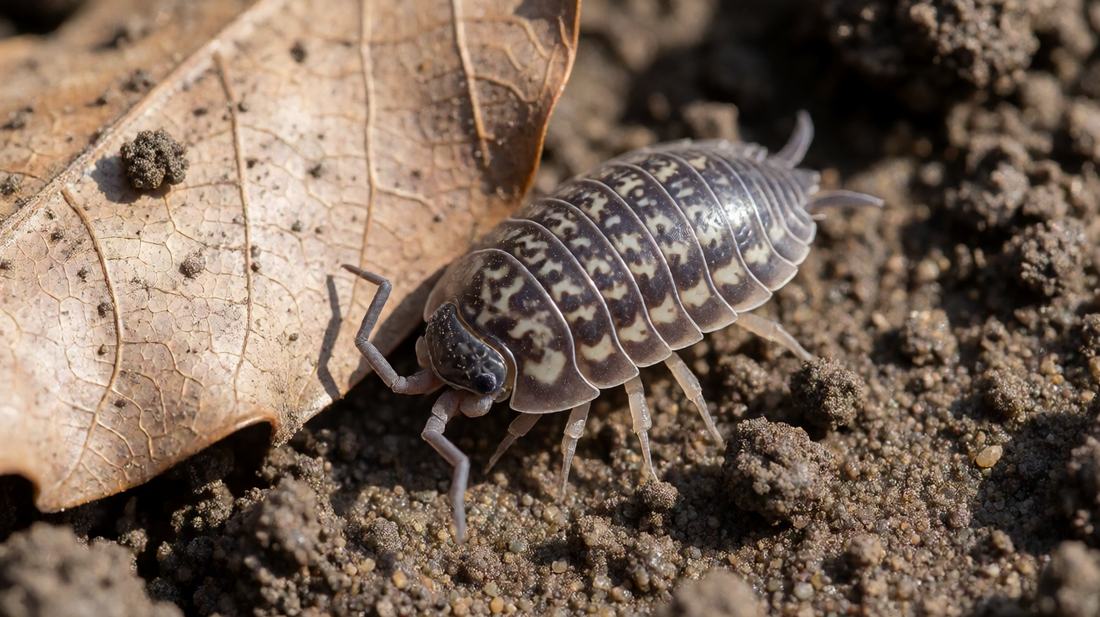
Armadillidium nasatum | Nasatum Woodlouse
Species Profile · Armadillidiidae
Nasatum Woodlouse
A pill woodlouse that rolls into a ball but cannot quite seal it, leaving its antennae sticking out at the front.
Not listed
Length
Legs
Roll
Colour
Young
Rating
The Nasatum Woodlouse
Nearly a complete ball
This woodlouse rolls into an open ball. The shape is never quite closed. Its cousin manages a perfect sphere.
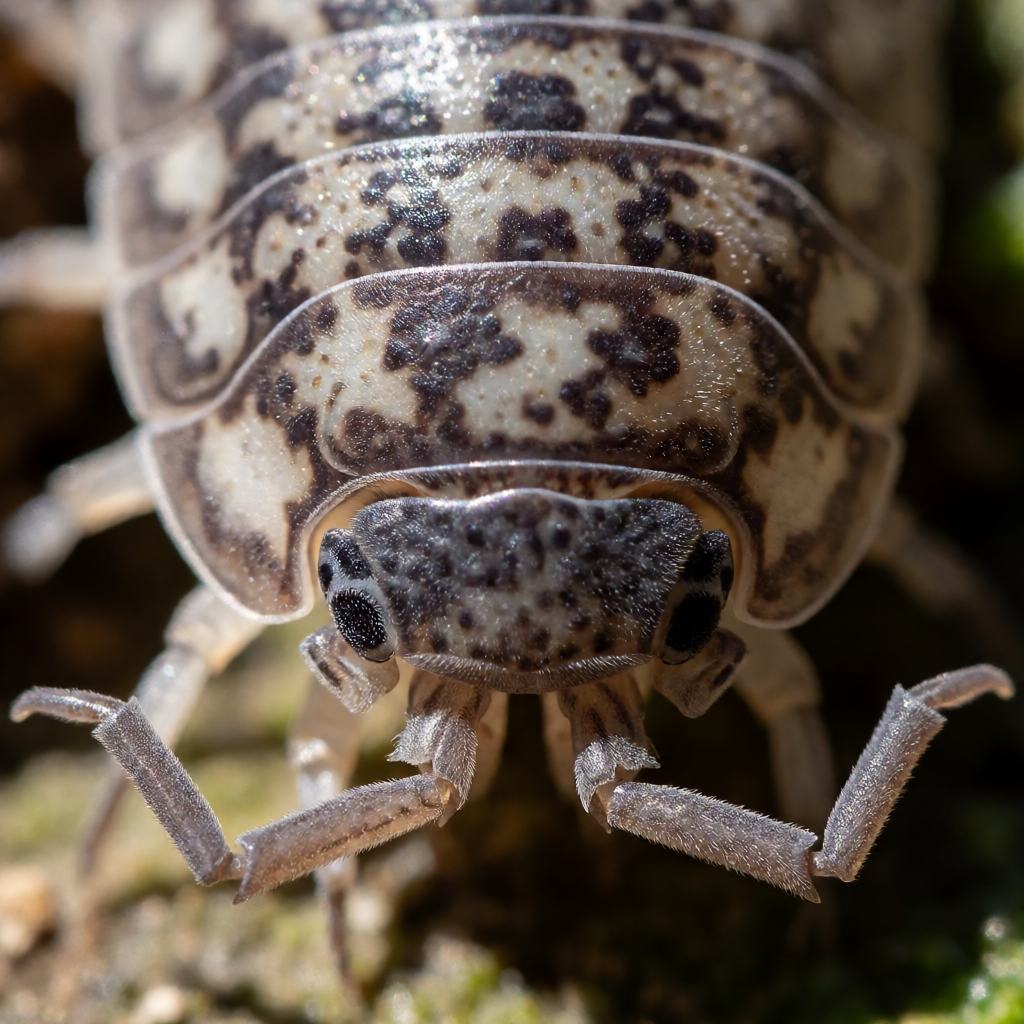
A small square lump sits on the face. That lump gave the animal its name. Adults reach 21 mm.
Because the shell cannot seal shut, a rolled animal still shows its antennae. Though the species came from southwestern Europe, it now lives in gardens, quarries and railway yards on four continents.
Family tree
Armadillidiidae, the pill woodlice
This animal is a crustacean, not an insect. It belongs to the order Isopoda, though the family sits inside a wider crustacean group. Land dwelling isopods form the suborder Oniscidea.
Budde-Lund described the species in 1885. Five subspecies have been named. None of the American ones are split that finely.
The Official Pill Woodlouse is a distant relative. That species lives around the Mediterranean, though it turns up in gardens too. Because woodlice keep their young in a pouch, they are closer to crabs and shrimps than to any insect in the same garden.
21 mm of grey plates
How to tell one
Adults run 6 mm to 21 mm long. Its body is oval and slightly flattened above. Seven pairs of legs carry it. Two pairs of antennae sit on the head.
The first pair is almost invisible. Seven hard plates cover the back, though they overlap like roof tiles. A square lobe juts out in front. Pale stripes mark some animals, while others stay plain grey.
Gills sit in chambers under the belly. Because the gills must stay wet, the animal cannot spend long in dry air, and it hunts for damp shelter every day.
1
2
3
Gardens, walls and greenhouses
Where it lives
Gardens and waste ground are the usual home. Quarries, graveyards and railway lines also hold them. Greenhouses suit them all year, since the air stays warm and wet. Logs, stones and pots give shelter.
This animal prefers drier spots than most woodlice. It came from southwestern Europe. Ships and plant pots carried it abroad. Iowa recorded the first American find in 1924.
The range, however, now runs from Maine to South Carolina. Although the woodlouse needs damp cover, it follows people so closely that a new greenhouse is often stocked within a few years.
Dead leaves and algae
What it eats
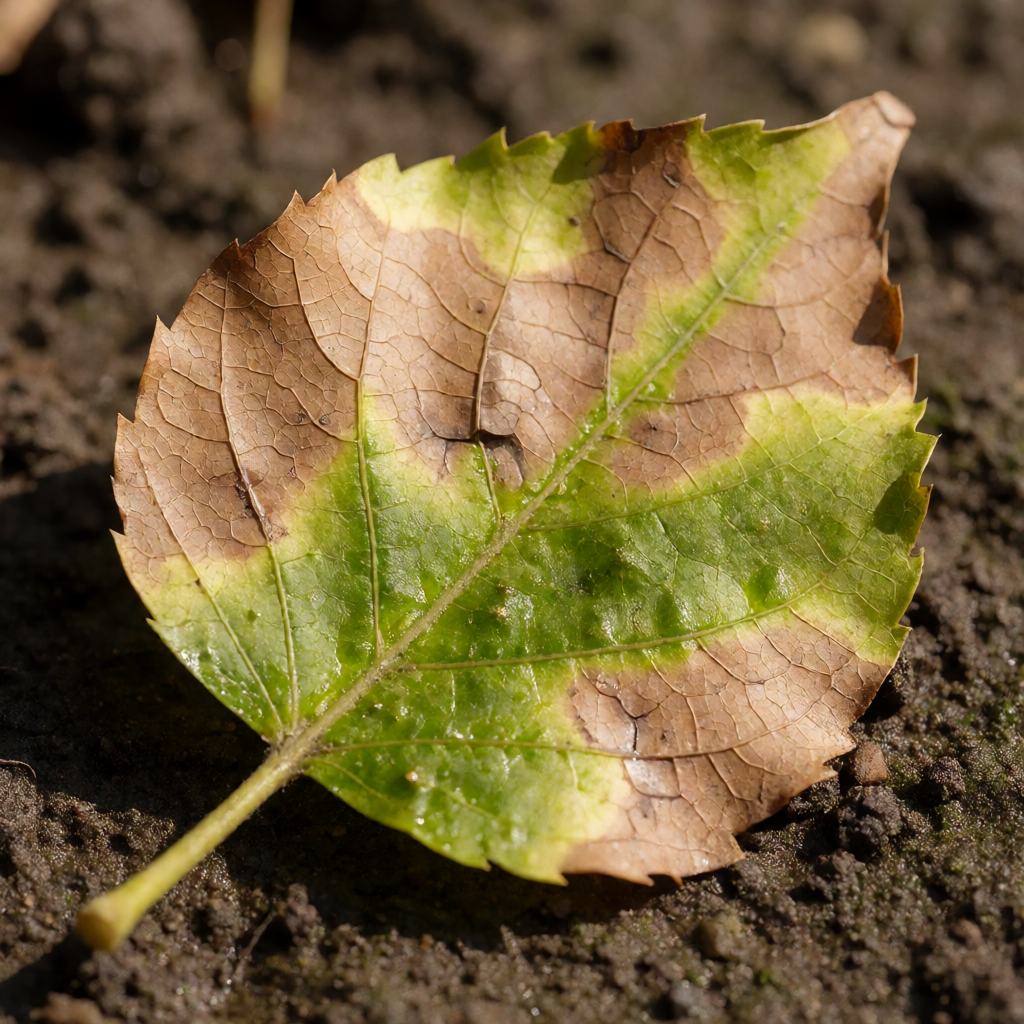
Dead leaves are the main food. Rotting wood and fruit are eaten too. Animal matter is taken when found, while leaves remain the staple. Fungus on the leaf helps digestion.
Its gut cannot break down leaf tissue alone. Microbes inside do that work. Copper in the blood carries oxygen. That is why woodlouse blood looks blue.
The animal recycles nutrients into the soil. Because it eats fallen leaves and returns the minerals, a healthy woodlouse population helps a garden more than it harms it.
A brood pouch of young
The breeding cycle
Females carry eggs in a pouch. That pouch sits under the belly. Water inside keeps the eggs alive.
Young hatch as tiny woodlice. They leave the pouch after a few weeks, while the mother moults. A female may raise several broods.
Growth happens through moults. The back half moults first, then the front. Adults live 2 years or more, though few reach that age.
Not listed anywhere
Conservation
No IUCN listing covers this woodlouse. NatureServe does not list it either. Numbers are rising in most of its range. It thrives near people.
Pesticides thin local groups. Dry summers, though, hurt them badly. Losing damp cover is the main risk. A stone or a plank will do, while bare soil offers nothing.
Gardeners rarely need to help. Because the species travels with pot plants and building stone, it faces no real threat, and its spread continues wherever people move soil.
Side by side
How It Compares
| Trait | Nasatum Woodlouse | Common Pill Woodlouse |
|---|---|---|
| Length | up to 21 mm | up to 18 mm |
| Head | a square nose in front | no nose |
| Rolled up | incomplete, antennae show | tight and complete |
| Native range | southwestern Europe | southern Europe and North Africa |
| Colour | grey with pale stripes | dark grey or mottled |
| IUCN status | not listed | not listed |
Common misreadings
What People Get Wrong
- All woodlice are insects. They are crustaceans instead.
- A rolled woodlouse is fully sealed. Its antennae stay outside.
- Woodlouse blood is red. Copper makes it blue.
Going further
Sources and Further Reading
- IUCN Red List entry for Armadillidium nasatum
- Wikipedia, Armadillidium nasatum
- Schmalfuss, H. 2003. World catalogue of terrestrial isopods. Stuttgarter Beitrage zur Naturkunde.
- Maryland Biodiversity Project. Armadillidium nasatum species account.
Quick hits
Five things to remember
- It rolls into an open ball, not a closed one.
- A square lump on the face gives it the name nosy.
- Blood carrying copper looks blue.
- The back half moults before the front.
- Females keep eggs in a pouch under the belly.