 By Iris
Arion vulgaris | Spanish Slug
Species Profile · Arionidae
Spanish Slug
A large orange-brown slug that eats almost anything and has spread across Europe in decades.
Not Evaluated
Body length
Colour
Diet
Eggs
Breeding
Rating
The slug that crossed Europe
The generalist slug of gardens and farms
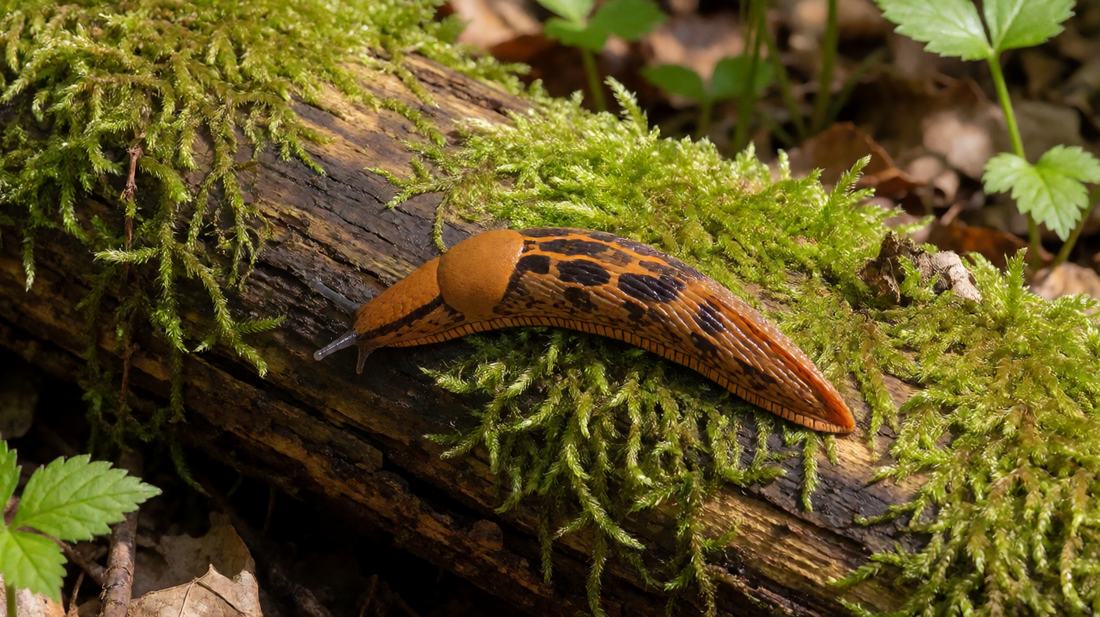
Spanish slugs are large garden molluscs. They crawl over damp ground. A big adult can stretch to 12 cm in length. The body is orange-brown with rows of dark blotches. The back shows a pale line.
Because they eat almost anything, gardens suit them well. Of course, the species has spread across Europe in recent decades. In Britain, however, they now reach as far north as Scotland. Each slug lays hundreds of eggs. By day they hide under stones, bins and wet boards.
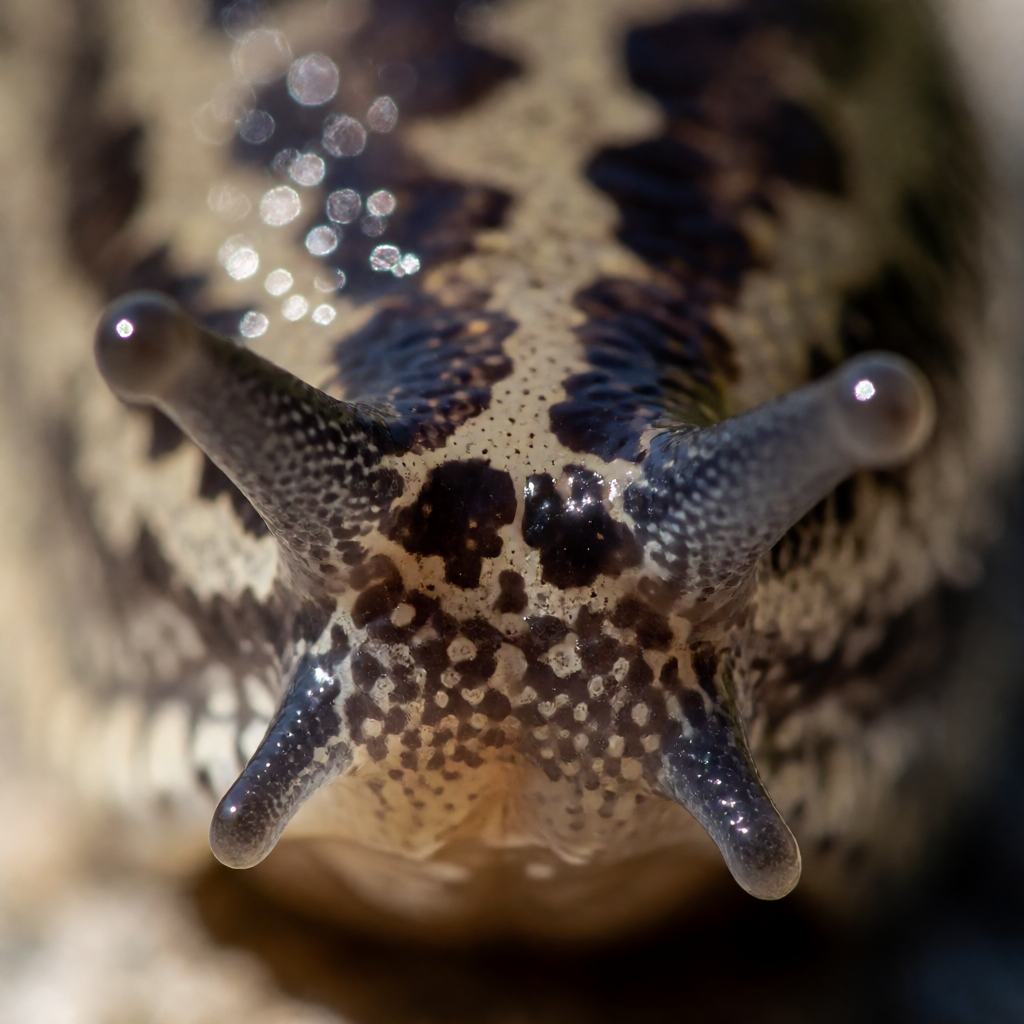
Nights are spent climbing walls and stems. A close look shows two pairs of feelers rising from the front of the head. From garden to garden this large slug has spread right across the continent, hidden in soil and plants.
Family tree
Arionidae, the roundback slugs
Its formal name is Arion vulgaris. It belongs to the roundback slugs, a family of land molluscs. Arion is an old name, used for many slugs. Its closest kin is the Leopard Slug, a spotted cousin with a bold pattern.
Both are molluscs, with a soft body, a muscular foot and a toothed tongue. Early lists disagreed. Some confused this species with several close relatives. Modern DNA work now separates it clearly by colour, body shape and genes from its closest living relatives.
Its family sits with the slugs and snails, a vast group. Fossil kin show that land slugs are an ancient line that has changed little over millions of years.
12 cm of orange-brown slug
How to tell one
A big adult can stretch to 12 cm in length. Its body is orange-brown with rows of dark blotches. No bold spots break up the outline. Two pairs of feelers rise from the front of the head, one pair longer than the other.
Its eyes sit at the tips of the longer feelers. Unlike the Leopard Slug, which is grey with bold spots, this one is orange-brown and plain in outline. A muscular foot leaves a shiny trail of slime. Because the skin is thin and soft, the slug must stay damp to survive.
One mantle shield sits just behind the head. A big slug may weigh as much as a small egg, though most adults stay far smaller and lighter. Slime is shiny.
1
2
3
Gardens, farms and waste ground
Where it lives
Spanish slugs live in gardens, farms and waste ground. They favour damp, sheltered spots with plenty of cover. This species thrives where the soil stays rich and wet. In Europe it now ranges from Portugal to Scandinavia.
By day they hide under stones, bins and wet boards. Wet nights bring climbs. Because they eat almost anything, few places lack food, from gardens and farms to waste ground and ditches. In dry, sandy soils the numbers stay much lower than in rich, wet ground.
Each slug stays within a few hundred metres of its shelter for its whole life. One garden may hold hundreds after a wet spring. Shelter is everything.
Leaves, fruit, fungi and carrion
What it eats
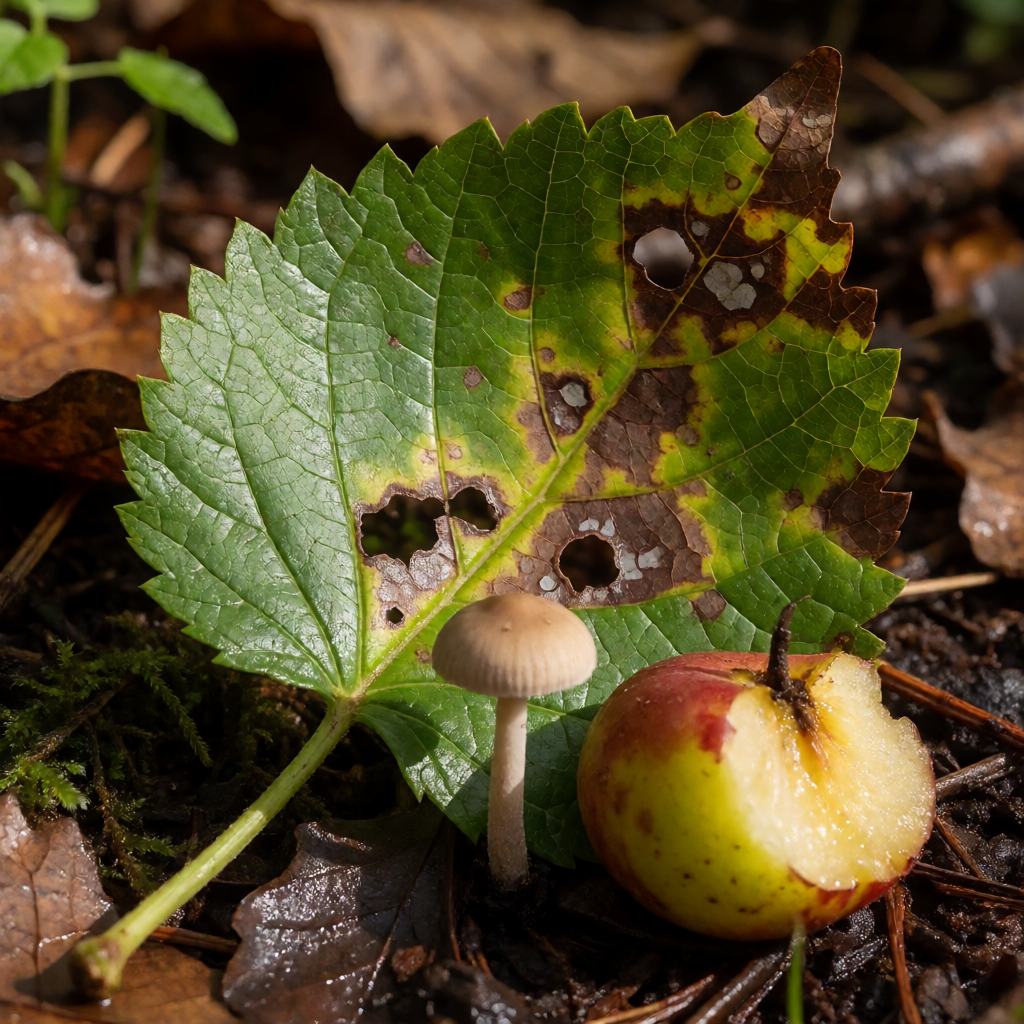
This slug is a hungry generalist feeder. It eats leaves, stems, fruit, fungi and dead animals. Tiny teeth on the tongue scrape the food into very small pieces indeed. In fact, few garden plants are safe from a big slug.
It also eats the eggs of other slugs and snails. Because it feeds both by day and by night, the damage to garden plants adds up very fast. Stomach contents include leaf tissue, fruit pulp, carrion and the eggs of other molluscs. Unlike many slugs that prefer dead matter, this one takes fresh green growth.
Instead of waiting for decay, it climbs living stems at night to feed. Young slugs take the same soft food as the adults. Nothing is wasted.
A hundred eggs in a damp batch
The breeding cycle
While most animals have one sex, Spanish slugs have both in one body. Mating happens on damp ground in spring and autumn. Each slug lays about a hundred small eggs in a hidden, damp batch.
Eggs are round, pale and slightly sticky. Laying happens under stones, in soil cracks or under bins. Because the eggs are moist and soft, they must never be allowed to dry out before the young hatch.
Hatching takes three to six weeks in warm, damp soil, and the young emerge looking pale and tiny. Growth is fast, and breeding may follow within just a few months. One single pair can start a whole garden population.
Not Evaluated, a pest in gardens
Conservation
This slug is not listed as threatened. Yet its spread has made it a pest across much of Europe now. In gardens it competes fiercely with native slugs for food, shelter and the very best moist hiding places.
In addition, it may spread parasites to native species. Because it breeds fast, control by hand is often futile. Moreover, many poisons also harm the native slugs and beetles.
Some studies still question how much harm it truly does. Thus the wisest course may be to protect the native slug species instead. Hope rests on balance.
Side by side
How It Compares
| Trait | Spanish Slug | Leopard Slug |
|---|---|---|
| Home | gardens, farms and waste ground | woodlands and damp gardens |
| Colour | orange-brown with dark blotches | grey with bold spots |
| Size | up to 12 cm | up to 20 cm |
| Diet | fresh plants and carrion | fungi and dead matter |
| Eggs | about a hundred per batch | several hundred per batch |
| Standing | Not Evaluated | Not Evaluated |
Common misreadings
What People Get Wrong
- Many gardeners think hand-picking will clear them, yet control by hand is often futile. A single pair can start a whole garden population within a few months.
- Some assume poisons are the simple answer, yet many also harm the native slugs and beetles. The wisest course may be to protect the native species instead.
- People often expect a slimy pest with no defences, yet its slime protects it from drying out. The same slime makes the slug taste bad to many predators.
Going further
Sources and Further Reading
Quick hits
Five things to remember
- Spanish slugs are hermaphrodites, with both sexes in one body.
- One slug can lay hundreds of eggs in a single season.
- They crossed Europe hidden in soil and plants.
- Their slime protects them from both drying out and predators.
- Most garden plants are eaten, dead or alive.