 By st20113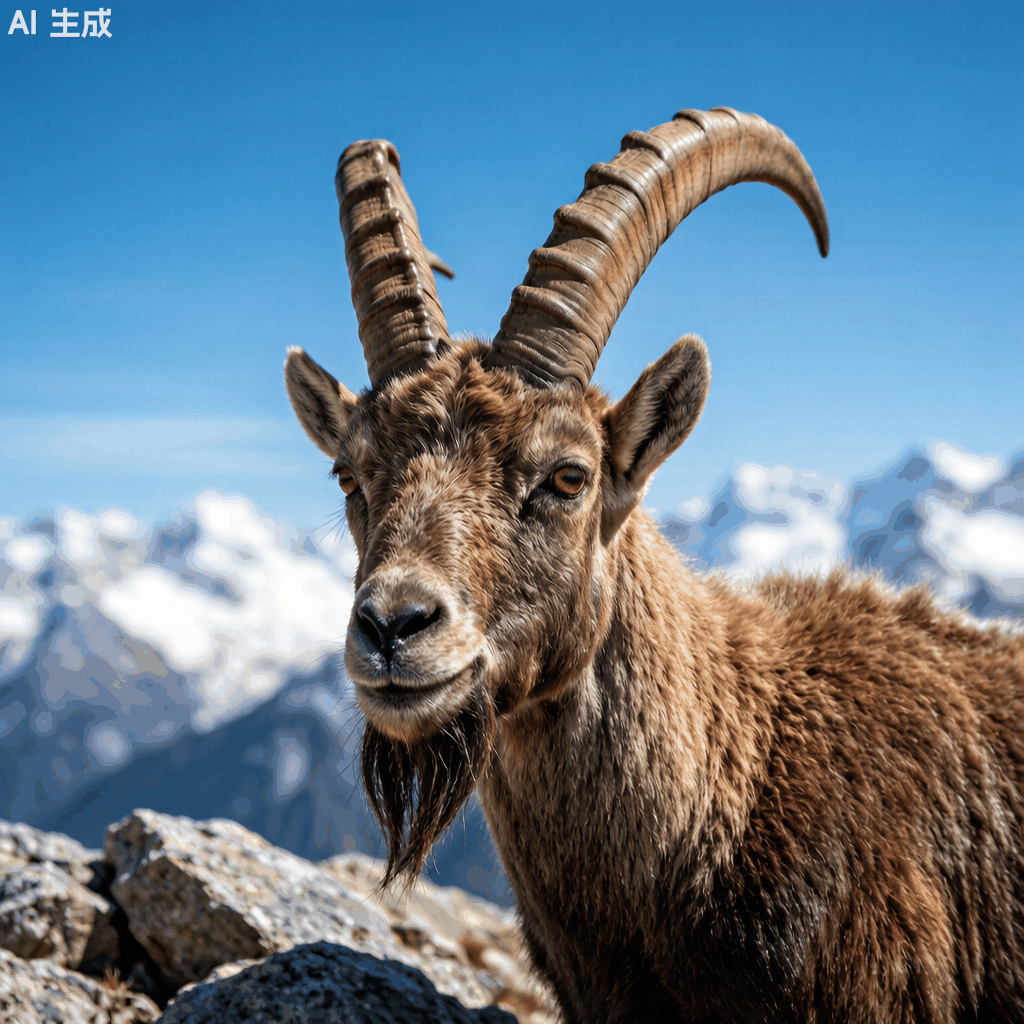
Introduction
The alpine ibex, Capra ibex, is a wild mountain goat celebrated for its spectacular backward-curving horns and its mastery of near-vertical terrain. Endemic to the European Alps, this sure-footed climber has become a symbol of high-altitude wilderness and a conservation success story. Watching an ibex scale a sheer cliff face with casual ease is one of the most striking sights in the alpine world. Its survival depends on a combination of agility, herd vigilance, and the seasonal rhythm of the mountains.
Taxonomy
Capra ibex belongs to the family Bovidae, the same group that includes sheep, cattle, and antelopes. It is a member of the genus Capra, which gathers the true wild goats of Eurasia. The species was first described by the Swedish naturalist Carl Linnaeus in 1758. Several related ibex once ranged across Europe and the Middle East, but the alpine ibex is the form most closely tied to the high peaks of the Alpine chain.
Physical Characteristics
Male alpine ibex are robust animals standing about ninety centimeters at the shoulder and weighing up to one hundred kilograms. Their most defining feature is the horns, which in males can reach lengths of nearly one meter and form dramatic crescent curves. Females carry shorter, slimmer horns. The coat is a brownish-grey that thickens into a woolly underlayer for winter, and a dark stripe runs along the back. Specialized hooves with hard rims and soft, grippy centers give the ibex its legendary footing on rock.
Habitat
The alpine ibex inhabits rugged, rocky alpine and subalpine zones, typically between 1,800 and 3,300 meters in elevation. It favors steep slopes and cliffs that offer escape from predators and exposure to sun. In winter it descends to lower, snow-free ledges and forested ravines. The open heights it chooses leave it vulnerable to predators such as the gray wolf, though its cliffs remain a strong refuge.
Diet
Ibex are herbivores that graze and browse on grasses, sedges, herbs, leaves, shoots, and lichens depending on the season. In summer they exploit the rich alpine meadows, while in winter they rely on woody plants and whatever green they can reach beneath the snow. They frequently visit mineral licks to supplement their diet with essential salts. Like the broadly adaptable red fox, the ibex adjusts its foraging to the harsh mountain calendar.
Reproduction
The mating season, or rut, occurs in late autumn, when males engage in spectacular horn-clashing contests to win access to females. After a gestation of about five and a half months, kids are born in late spring, usually one or two per female. Newborn kids can stand within minutes and soon follow their mothers across precipitous terrain. Young males form bachelor groups, while females remain with their maternal herd for life.
Conservation
By the early nineteenth century the alpine ibex had been hunted to fewer than one hundred individuals in a single Italian valley. Decisive protection and captive breeding brought the species back from the edge, and today tens of thousands roam the Alps. The IUCN classifies it as Least Concern, though localized threats from climate change, disturbance, and disease persist. Its recovery stands as one of Europe’s most encouraging wildlife restoration achievements.
Fun Facts
An ibex can leap more than two meters straight up a rock face and land precisely on a ledge no wider than a dinner plate. Researchers have observed ibex licking the urine of chamois and other animals to obtain lost minerals, a behavior known as urine drinking. Their horns grow a new ridge each year, allowing scientists to estimate age much like tree rings. During the heat of summer, ibex may lie on cool snow patches to regulate their body temperature.
[…] suited to varied climates and purposes. Goats share the genus with wild relatives such as the Alpine ibex and the markhor, both of which retain the climbing prowess and horn architecture seen in their […]