 By st20113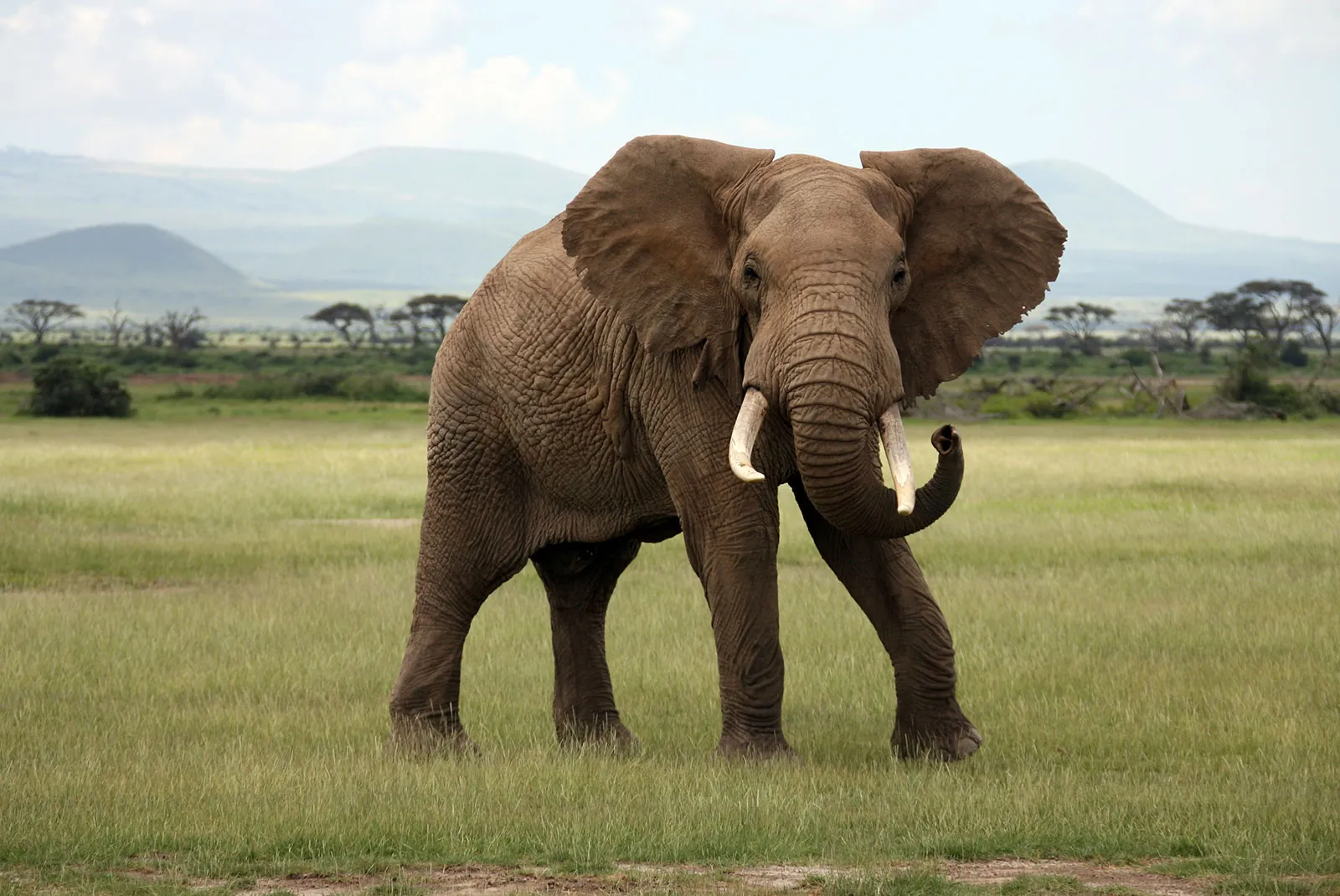
The African Elephant (Loxodonta africana), also known as the African Savanna Elephant, is the world’s largest living land animal and one of the most intelligent creatures on Earth. Native to the savannas, forests, and deserts of sub-Saharan Africa, this magnificent mammal has captivated human imagination for millennia, featuring prominently in art, mythology, and cultural traditions across the African continent and beyond.
Physical Characteristics
African Elephants are immediately recognizable by their massive size, with adult males (bulls) standing up to 4 meters (13 feet) tall at the shoulder and weighing between 4,000 and 7,000 kilograms. Females (cows) are somewhat smaller, typically reaching 2.7 meters in height and weighing 2,700 kilograms on average. Their most distinctive feature is their elongated trunk, a fusion of the nose and upper lip containing over 40,000 individual muscles. This extraordinarily versatile appendage can lift objects weighing up to 350 kilograms, draw up water for drinking, snorkel during swimming, and even express emotions through touch.
Equally striking are their large, curved tusks, which are actually modified incisor teeth composed of dentine coated in enamel. These grow throughout the elephant’s life and can reach lengths of over 3 meters. Both males and females possess tusks, a key distinction from their Asian counterparts. Their enormous, fan-shaped ears — the largest of any living animal — serve a crucial thermoregulatory function, with blood vessels close to the surface allowing excess body heat to dissipate into the surrounding air.
Social Structure and Behavior
African Elephants live in complex, matriarchal societies centered around family groups of 10 to 20 individuals, typically led by the oldest and most experienced female. The matriarch’s memory and knowledge — particularly regarding water hole locations, seasonal migrations, and danger recognition — are essential for group survival. Young elephants are raised collectively, with alloparental care (care given by individuals other than the biological mother) being common. Males leave their natal group at sexual maturity (around 12 to 15 years) and either roam solo or form loosely associated bachelor herds.
Elephants are renowned for their emotional depth and intelligence. They have been observed mourning their dead, displaying what appears to be grief by standing silently over remains, occasionally touching bones with their trunks. They also demonstrate self-recognition in mirrors, use tools, exhibit empathy, and maintain complex social relationships spanning decades. Their communication repertoire includes infrasound — sounds below the range of human hearing that can travel up to 10 kilometers across the savanna.
Diet and Habitat
As megaherbivores, African Elephants consume up to 150 kilograms of vegetation and drink 190 liters of water daily. Their diet is highly diverse, encompassing grasses, leaves, bark, roots, fruits, and bulbs. This feeding behavior plays a vital ecological role: elephants are considered a keystone species and ecosystem engineers. By knocking down trees to access foliage, they create open grassland habitats that benefit numerous other species. Their digging for water creates watering holes used by a wide range of animals during dry seasons, and their seed dispersal through feces helps maintain plant diversity across vast landscapes.
Conservation Status
The African Elephant is currently classified as Endangered by the International Union for Conservation of Nature (IUCN). Population estimates suggest there are approximately 415,000 individuals remaining in the wild, a significant decline from the estimated 3–5 million that existed a century ago. The primary threats are poaching for ivory, habitat loss due to agricultural expansion and human settlement, and human-wildlife conflict. International trade in elephant ivory has been banned under CITES (the Convention on International Trade in Endangered Species) since 1989, though illegal poaching continues to threaten populations across Africa.
Conservation efforts include protected area management, anti-poaching patrols, community-based conservation programs that provide economic incentives for local communities to protect elephants, and ivory demand reduction campaigns. China’s decision to close its domestic ivory market in 2018 was widely celebrated as a landmark conservation achievement.
Role in Human Culture
African Elephants have held profound significance in human cultures for thousands of years. In many African traditions, elephants symbolize wisdom, strength, royalty, and good luck. They appear extensively in ancient Egyptian art and mythology, were celebrated in Greco-Roman mosaics, and feature in contemporary literature, cinema, and conservation advocacy. Their image adorns the flags and coats of arms of numerous nations, and wildlife tourism centered on elephant observation represents a significant economic driver for African nations, generating billions of dollars annually while incentivizing habitat preservation.
The African Elephant stands as a powerful symbol of the urgency to protect our planet’s biodiversity — a living testament to the intricate connections between species, ecosystems, and human societies.
