 By Iris
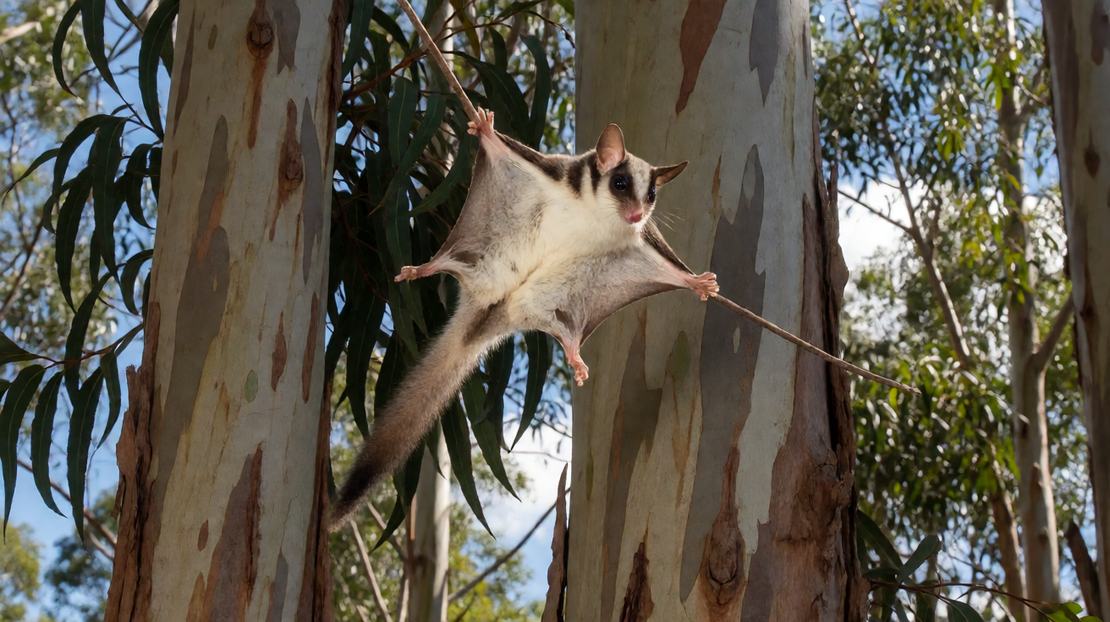
Acrobates pygmaeus | Feathertail Glider
Species Profile · Acrobatidae
Feathertail Glider
The smallest gliding mammal, with a tail shaped like a feather.
Least Concern
Body
Tail
Weight
Glide
Range
Rating
Twenty metres between trunks
Twelve grams on a feather tail
Stiff hairs fringe a small tail and turn it into a feather. That tail steers the animal through the air. Body length runs 6.5 to 8 cm. Weight sits near 12 grams, which makes this the smallest gliding mammal on earth.
Eastern Australia holds the species. Tall wet forest and mature woodland suit it best. A membrane runs from the elbow to the knee, and it opens into a small sail. One glide can cover 20 m between trunks.
Feeding starts after dark. By day the animal sleeps in a hollow or a leaf nest, often with several others pressed together for warmth.
Family tree
Acrobatidae, a family of two genera
Acrobates pygmaeus sits in Acrobatidae, a family of two genera. Shaw named the species in 1794, using a specimen from New South Wales. The Sugar Glider also glides in Australian forest, while this animal stays much smaller. Both carry a membrane, and both feed on nectar at night.
Their membranes differ, though, since one reaches from wrist to ankle and the other from elbow to knee. This feathertail cannot glide as far as its larger cousin. Two subspecies are sometimes named, although most workers keep one. Genetic work places the family close to the possums.
No close relative lives outside Australia. Fossils from the Miocene show a similar animal, so the line is old.
Two genera, one family
How to tell one
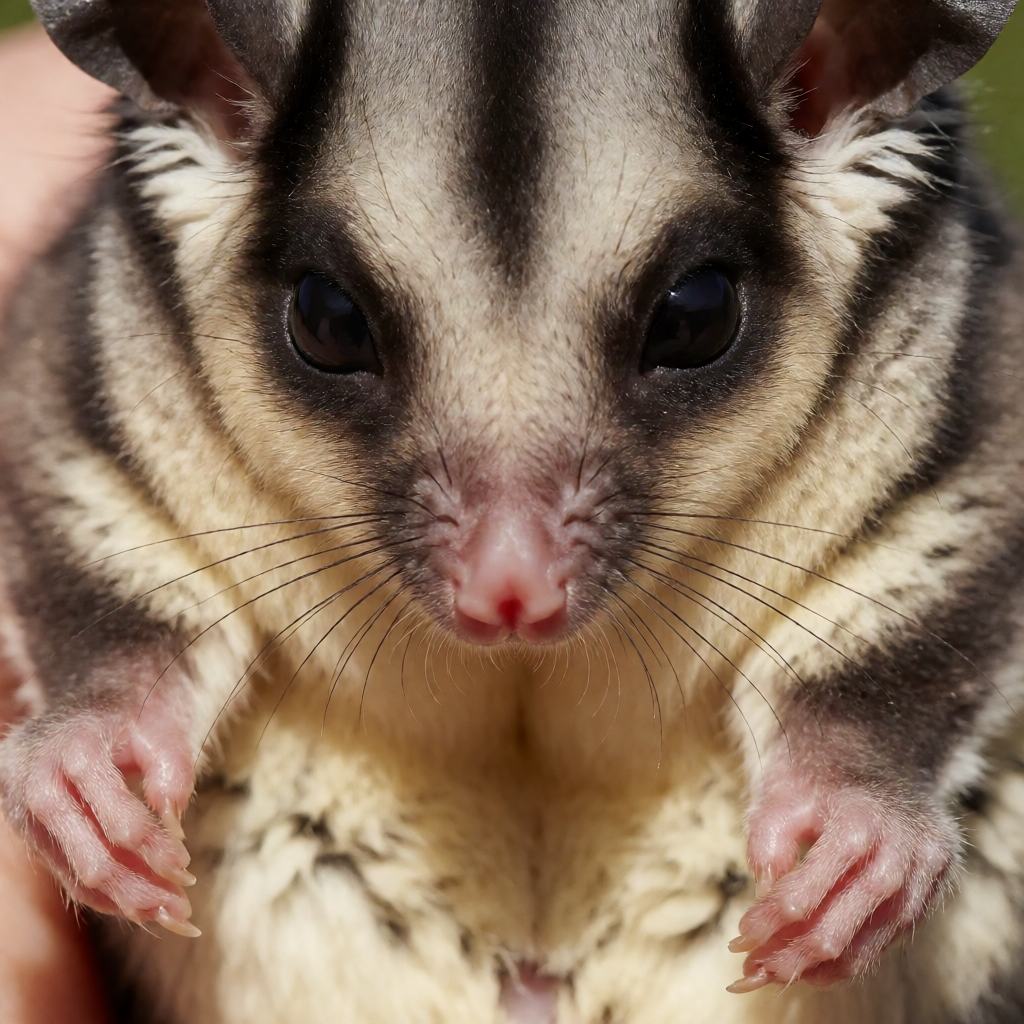
Body length runs 6.5 to 8 cm. Weight sits near 12 grams, although a fat adult before winter weighs more. Fur is soft grey brown above and white below. Dark stripes can appear between the eyes.
Its tail carries two rows of stiff hairs, which spread like a feather. Toe pads are large and serrated, and they grip smooth bark. Skin between the limbs folds against the body when the animal walks. Eyes are large, and whiskers are long.
Females carry four teats, which suits a litter of four. Gliders of this weight can cross a forest gap that no climbing animal could manage at all.
1
2
3
A tail that steers
Where it lives
Tall wet forest holds the species. Mature woodland and river flats also carry animals. Range runs from Queensland through New South Wales to Victoria and South Australia, though the inland edge stays thin. Animals live from sea level to 1,200 m.
Hollows in old trees matter, since the glider nests inside them. Leaf nests appear where hollows are scarce. Flowering trees decide where a group feeds in any given week. Fire removes both hollows and flowers, and the animals then vanish from that patch.
Cats and foxes take a share of the animals near towns. Forest that keeps old trees keeps the species, while young regrowth holds very few.
Tall wet forest
What it eats
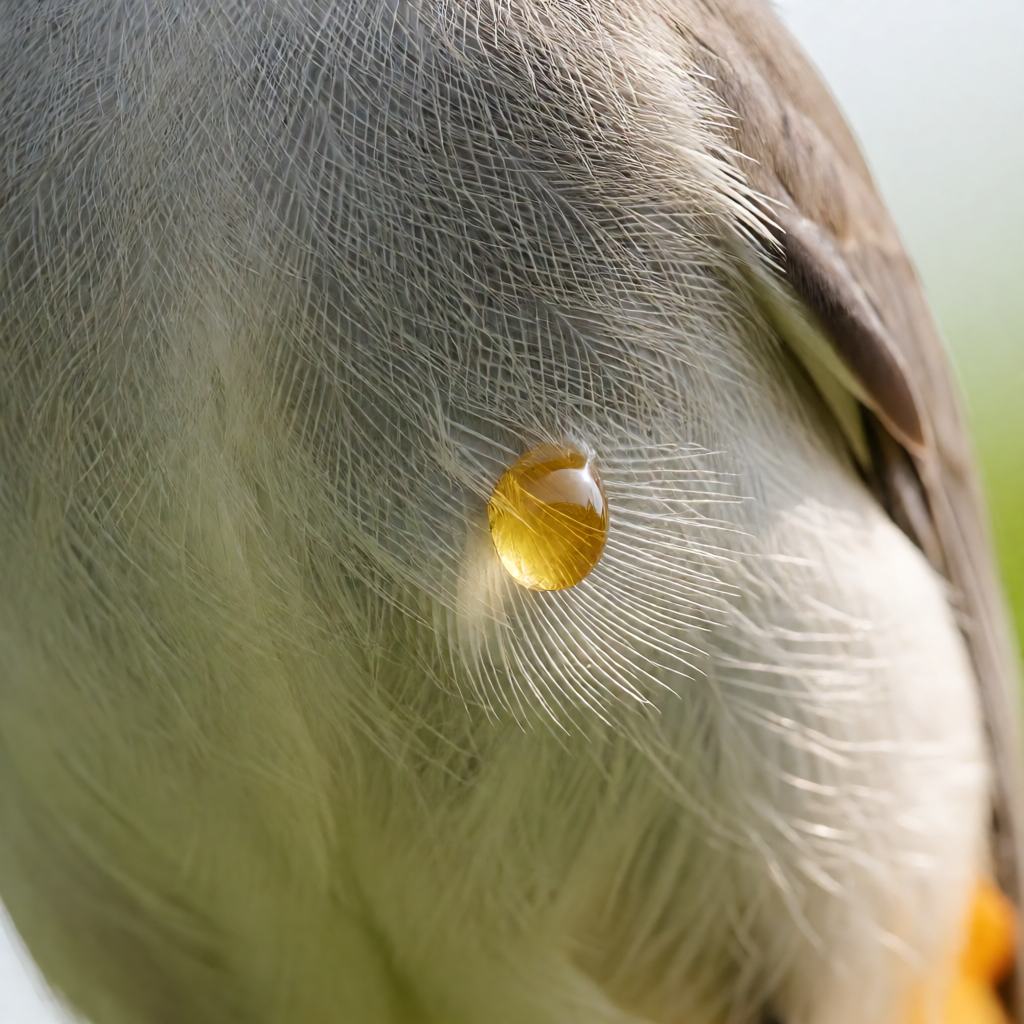
Nectar and pollen form the base of the diet. Insects add protein, especially while a female is raising young. Banksia and eucalypt flowers draw the animals in, since both give nectar for weeks. A glider licks nectar with a brush tipped tongue.
Groups feed together, and several animals may share one blossom. Hunting happens along a regular route through the canopy. Cold nights send the animal into torpor, which saves energy. Torpid gliders drop the body temperature close to the air.
Waking takes about half an hour, and the animal then feeds hard to replace the lost heat. Nectar fails in some winters, and the animals then rely on insects, sap and honeydew until the next flowering.
Nectar and pollen
The breeding cycle
Breeding runs from July to January in the south. Two litters a year are usual, though a cold spring can cut that to one. Two to four young are born after a short gestation. Each young attaches to a teat inside the pouch.
Pouches open forward, and they hold the litter while the mother glides. Young leave the pouch at about seven weeks. They ride on the back for a while afterwards. Independence comes at around four months, although the mother still shares a nest.
Females may breed in their first year. Predators take many young each spring, so a fast breeding rate keeps the numbers up across the range.
Least Concern, and hollow bound
Conservation
IUCN lists the species as Least Concern. Wide range and steady numbers keep the rating low. Land clearing removed much of the old forest in the south. Fire kills animals that cannot escape a crown fire, and a hot burn leaves no hollows behind.
Cats and foxes hunt along the edges of towns. Old trees with hollows are the resource that matters most. Logging removes those trees, and regrowth takes a century to replace them, if it replaces them at all. Parks along the east coast protect a large share of the range.
Small reserves and roadside strips also hold animals, although those strips carry few hollows. Keeping old trees standing is the surest help, since a glider cannot nest in a young trunk.
Side by side
How It Compares
| Trait | Feathertail Glider | Sugar Glider |
|---|---|---|
| Length | 6.5 to 8 cm body, with a feather like tail | 24 to 30 cm body, with a long bushy tail |
| Weight | about 12 grams, the lightest glider alive | 100 to 160 grams, and five times heavier |
| Glide | 20 m between trunks, on a narrow membrane | 45 m or more, on a wide membrane |
| Home | tall wet forest in eastern Australia | woodland and plantation across northern Australia |
| Food | nectar, pollen and insects after dark | sap, nectar and insects after dark |
| Young | two to four, and they ride on the back | one or two, and they leave the pouch later |
Common misreadings
What People Get Wrong
- Many people believe the tail is a wing, yet the membrane does the gliding.
- Some accounts call the animal a mouse, although it is a marsupial with a pouch.
- A common tale says the glider sleeps alone, yet several share one leaf nest.
Going further
Sources and Further Reading
Quick hits
Five things to remember
- Adults weigh about 12 grams.
- Its tail is fringed like a feather.
- One glide covers 20 m.
- Toe pads grip smooth glass.
- Two litters a year are usual, though a cold spring can cut that to one.