 By st20113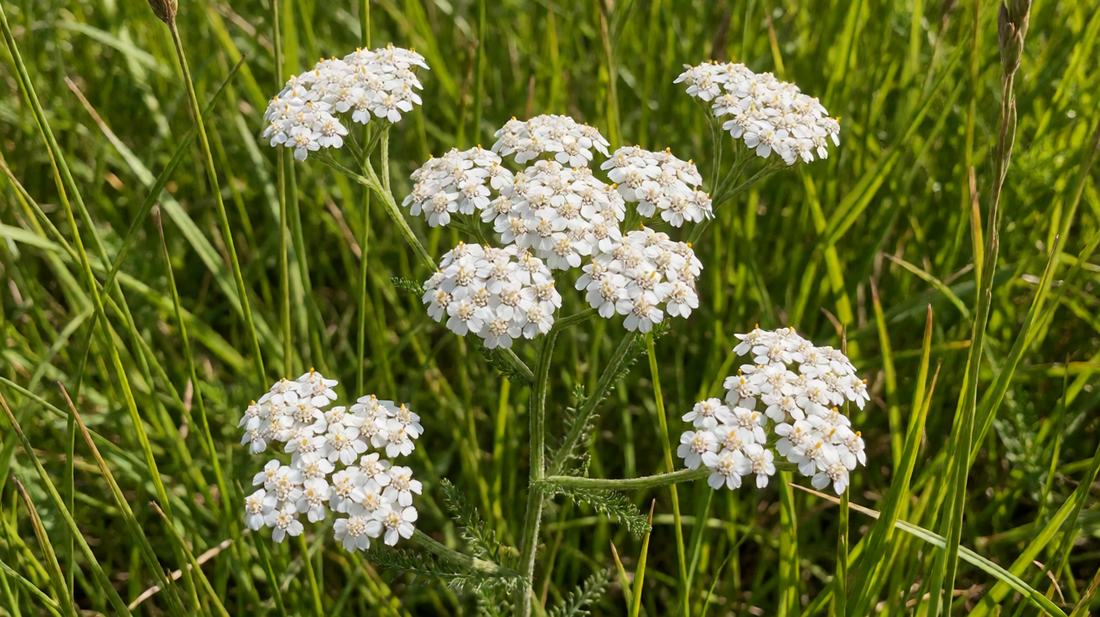
Achillea millefolium | Yarrow
Species Profile · Asteraceae
Yarrow
A tough wild flower of open grassland whose finely divided leaves and flat white flower heads have been used in medicine for centuries.
Least Concern (2016) 2016 assessment
Height
Leaves
Head
Flower
Altitude
Rating
The Yarrow
Thousand-leaf of the meadow
This plant is a tough perennial of meadows and roadsides. It grows to about 1 m tall. Its leaves are finely divided and look like feathers.
Flat heads of small white flowers sit on top. The whole plant has a strong, sweet smell. It grows wild across Europe, Asia and North America.
It also grows in gardens as an easy flower. The plant has been used as a herb for centuries.
Family tree
Asteraceae, the daisy family
Achillea millefolium is its Latin name. The plant sits in the family Asteraceae. That family holds the daisies and the thistles. Carl Linnaeus named it in 1753.
Its genus is named after the Greek hero Achilles. Its nearest kin are the other yarrows. Many related forms grow in Europe and Asia. Some of those are treated as separate species.
A Common Knapweed belongs to the same family and feeds the same insects. Both are wild flowers of open grassland.
1 m of feathery leaves
How to tell one
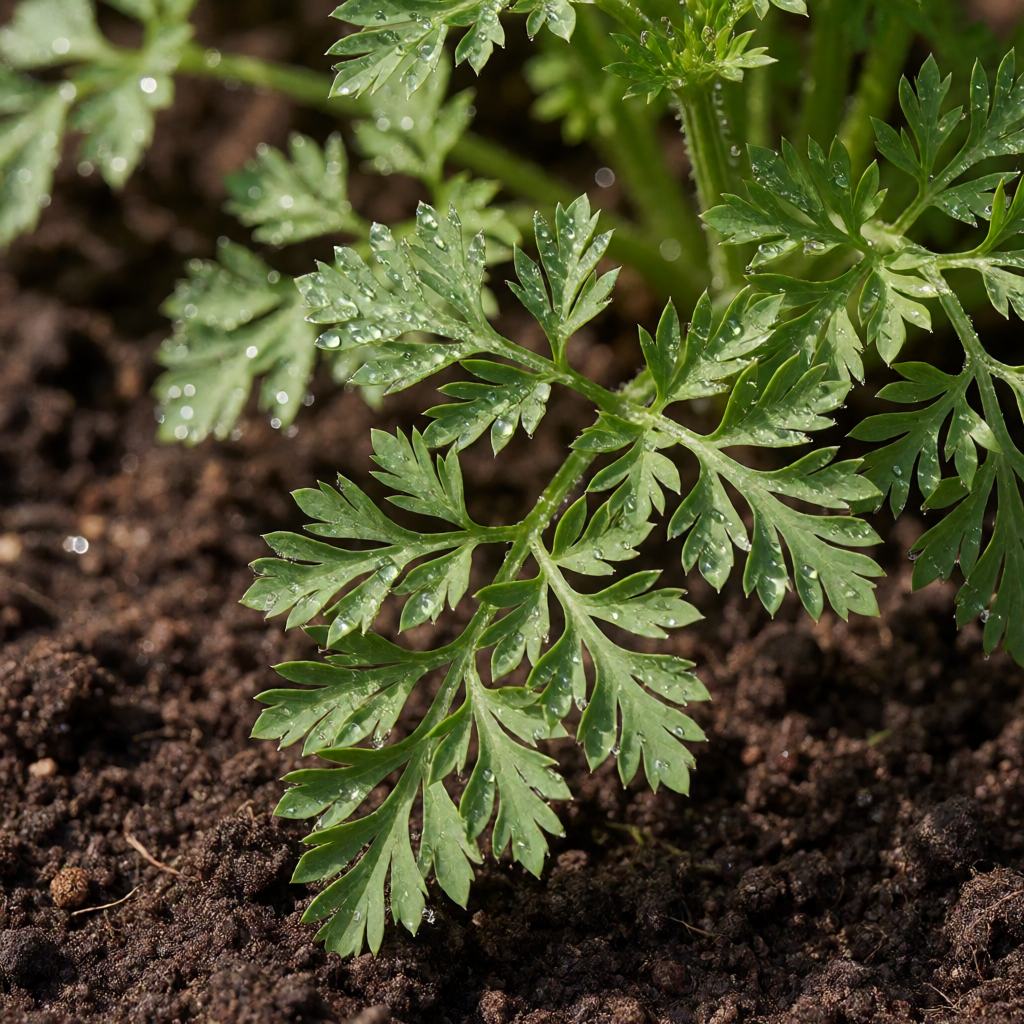
The stems grow 0.2 to 1 m high. Leaves near the base are 5 to 20 cm long. Each leaf is divided 2 or 3 times. The tiny final segments give it a feathery look.
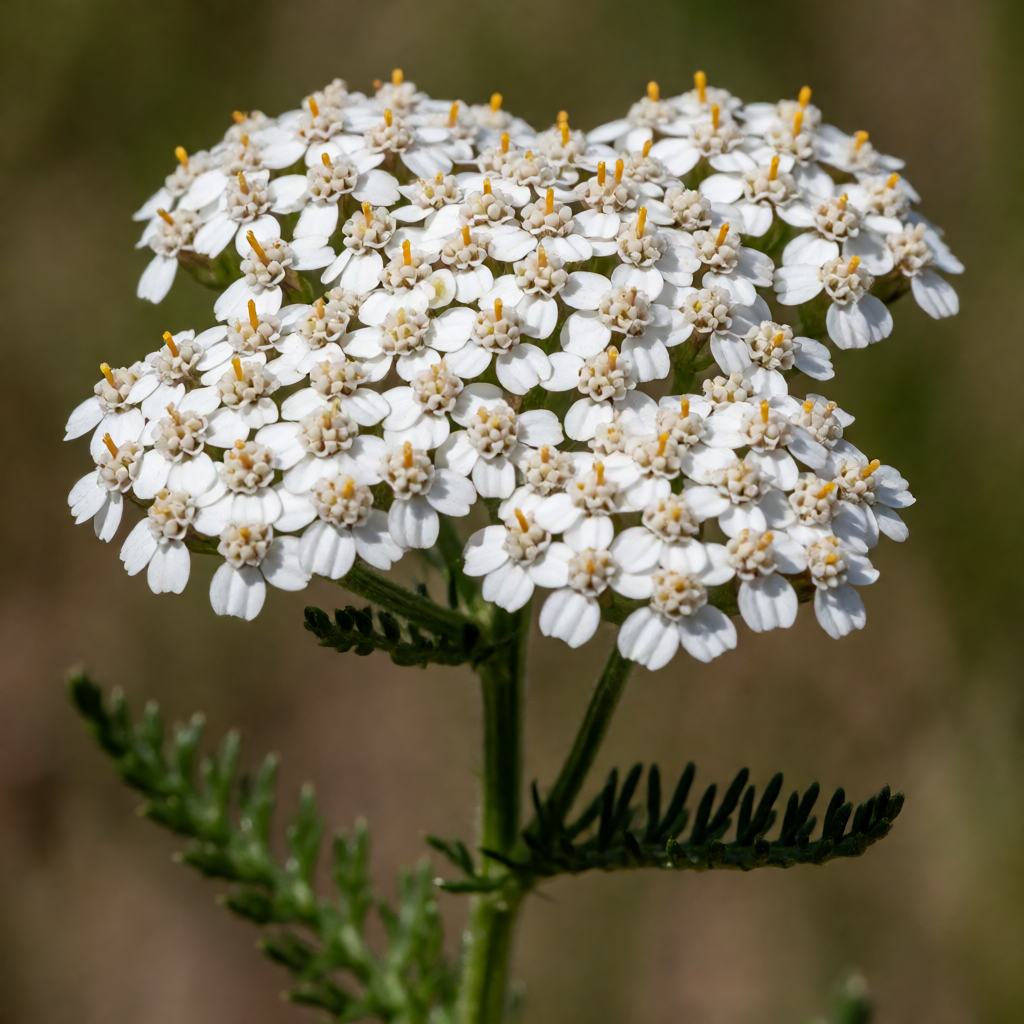
Leaves near the top are smaller and simpler. The flower head is a flat cluster 2 to 6 cm wide. Each cluster holds many small white or pink florets. The outer florets have a short round petal.
The centre florets are yellow and tube shaped. The seeds are small and flattened. A creeping rootstock lets the plant spread.
1
2
3
Meadows, verges and chalk downland
Where it lives
This plant grows in open, sunny ground. It likes meadows, verges and waste ground. It also grows on chalk downland and in open woods.
It is found from sea level up to 2,500 m. It prefers soil that drains well. Sandy and loamy ground both suit it.
It tolerates cold and dry spells well. A deep root helps it find water.
Sunlight, water and minerals
What it eats
The plant makes its own food from sunlight. It takes water and minerals from the soil. It grows best where the ground is not waterlogged. Its strong scent may keep some animals away.
The plant often grows in poor ground. That gives it an edge over taller plants. It can also spread by creeping roots.
Wind-blown seed and creeping roots
The breeding cycle
Flowering runs from May to June in warm areas. In cooler places it flowers later in summer. Insects carry pollen from plant to plant.
Bees, butterflies and hoverflies all visit. The plant also spreads by short creeping roots. That creates dense patches of one plant.
Seeds are made in large numbers. They are carried by the wind. A seed can start a new patch in bare ground.
Least Concern
Conservation
The IUCN lists this plant as Least Concern. Its global check dates from 2016. It is very widespread and often common.
No special rescue plan is needed. Local losses come from building and from sprays. Ploughing old grassland removes many plants.
The plant is easy to grow from seed. It is often planted in wild flower mixes.
Quick hits
Five things to remember
- Its leaves are so fine they gave it the name thousand-leaf.
- Old names include nosebleed plant and soldier’s woundwort.
- It has been used to treat wounds for many centuries.
- Its flat flower heads make good landing pads for insects.
- One plant can spread into a dense patch by its roots.