 By Iris
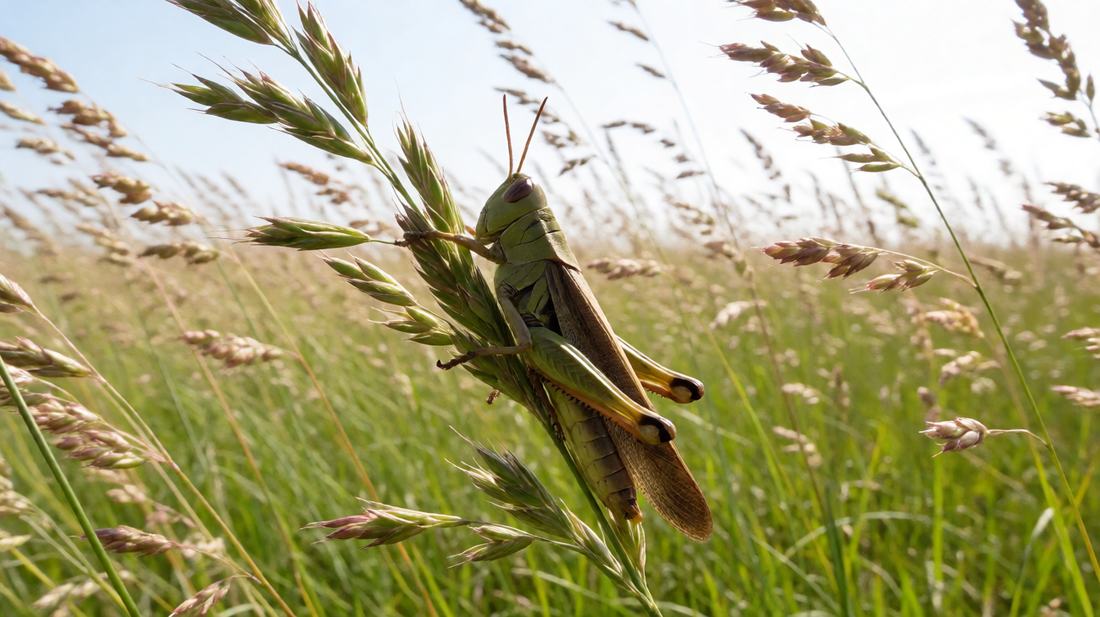
Locusta migratoria | Migratory Locust
Species Profile · Acrididae
Migratory Locust
A large grasshopper of Asia and Australia that can switch from lone hopper to swarming plague in a single wet season.
Not Evaluated
Body length
Eggs per season
Clutch
Hind legs
Range
Rating
Swarms that span skies
The grasshopper that becomes a plague
Migratory locusts are large grasshoppers of the Old World. Moreover, a full adult reaches seven cm in length, yet it leaps far on its long, strong hind legs. They live in grasslands across Asia and Australia.
They range widely where the rains come in pulses. Because the land is warm, they breed through the mild months. In the wild they hop and fly in loose bands of young.
In fact, the name marks the great journeys the swarms can make. When a locust feels threat, it springs away on the long hind legs.
Family tree
Acrididae, the locusts and grasshoppers
Locusta migratoria is the formal scientific name. It belongs to the grasshopper family. Its closest kin is the Hercules Beetle, a giant beetle of the American forests.
Both are insects with six legs and a hard outer case. Early writers placed it among the short-horned grasshoppers. Although it flies, the insect shares the basic grasshopper plan.
up to 7 cm, slim body
How to tell one
Adult locusts show a slim body and a saddle-shaped plate. Thus a full male is smaller than the heavier female, yet the two meet in a rush of wings and calls. The hind legs are long and built for powerful leaps. Short antennae flick as the insect tests the air.
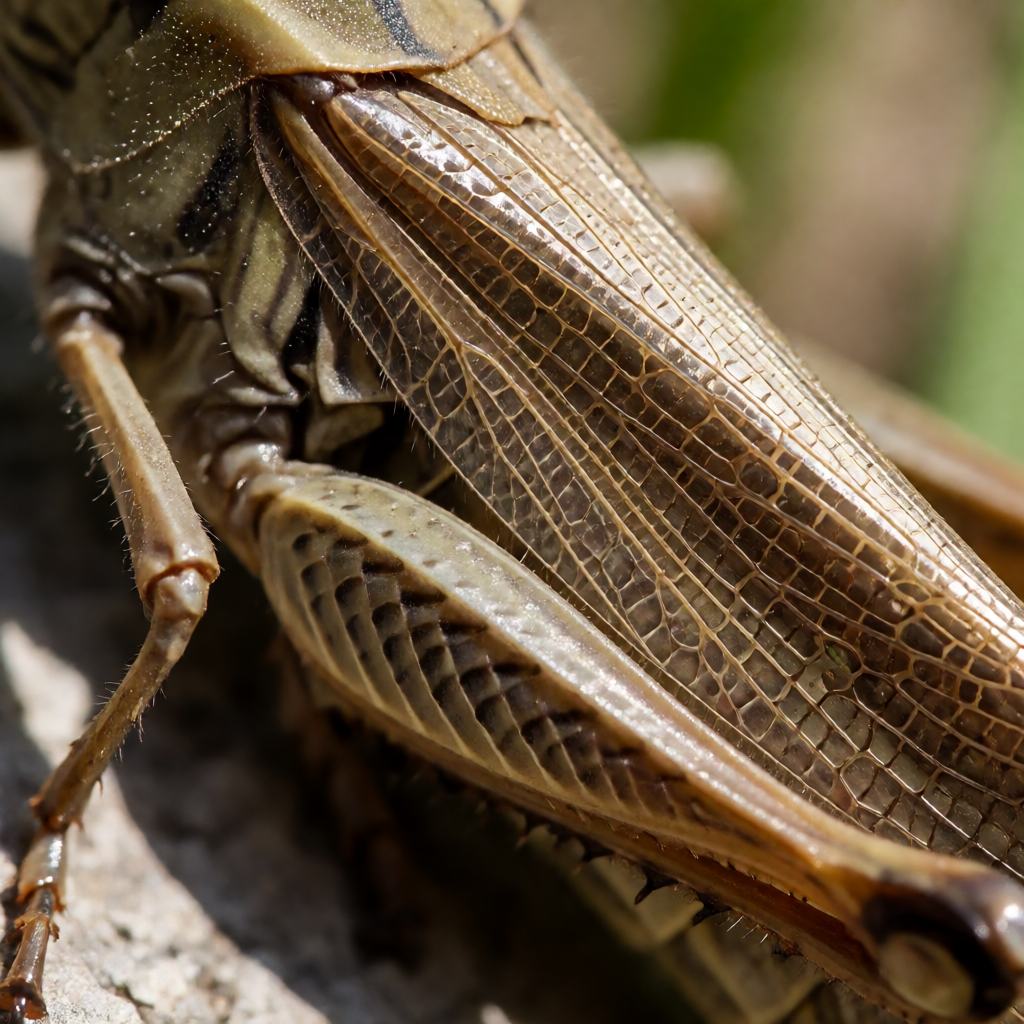
The wings are veined and fold flat over the back. Meanwhile, the eyes sit wide and watch for prey and threat above. Unlike the Small White Butterfly, which sips nectar on four wings, the locust is a chewing herbivore of the grass. Its jaws are strong and built to slice through tough blades.
In addition, a pair of short palps tastes the leaf before the bite, then the jaws slice the green tissue. Pale bands mark the wing where the veins meet the edge.
1
2
3
Grasslands of Asia and Australia
Where it lives
Migratory locusts favor open grassland and fresh green crops. They also use the edges of the flood plain and dry scrub. Most stay in warm, sunlit country with sparse cover.
They shun dense forest and the cold, humid north. That open ground lets them bask and spot danger from afar. In the dry months they slow down and shelter in the soil.
Because the rains reshape the land, a band may shift home as the grass rises and falls. Some now live near farms where the crop stays green. These fields mimic the grassy plains they prefer most.
Fresh green plants
What it eats
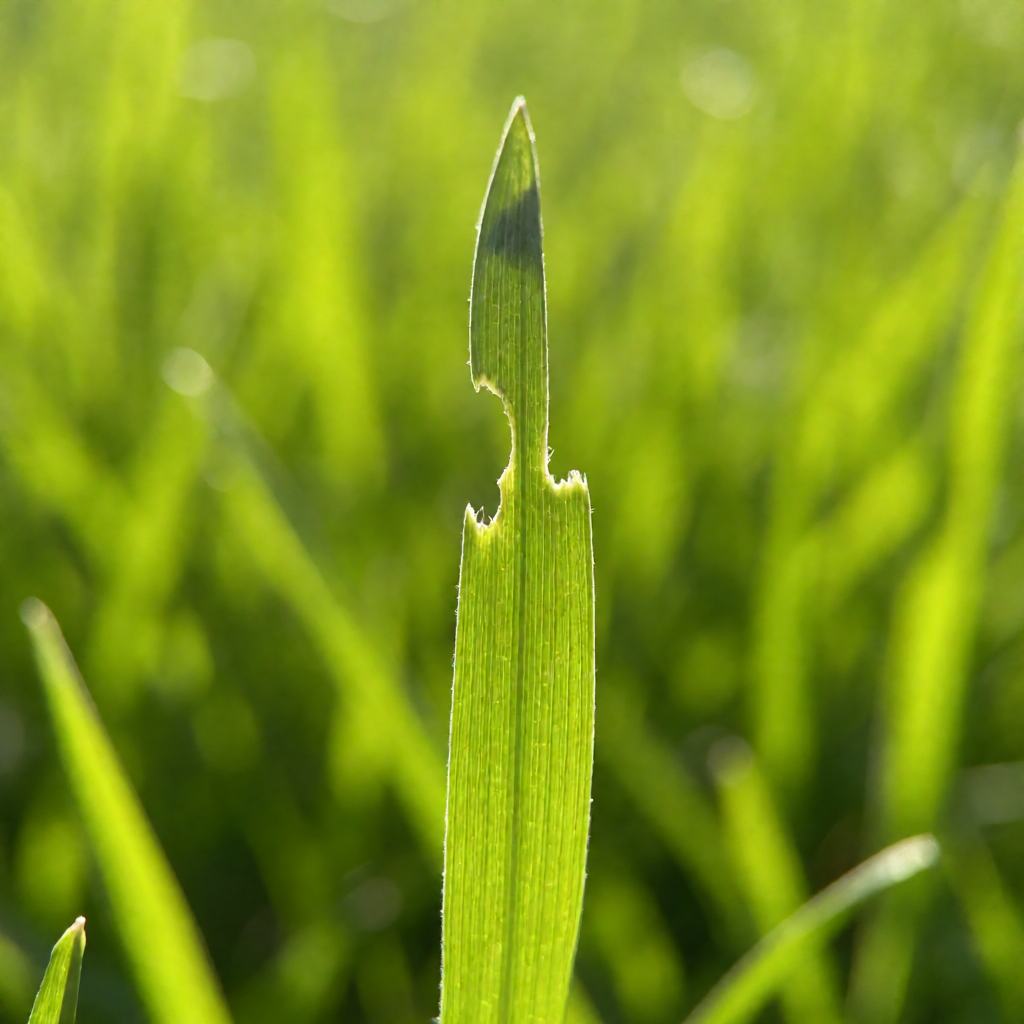
Migratory locusts are herbivores that eat fresh green plant. They chew grass, leaves, and the soft parts of crops. Soft shoots add range to the daily meal.
Indeed, a hungry locust may strip a plant in a single long sitting, leaving only the bare stalk behind. Therefore, one swarm can clear a patch of field in a single day of constant feeding. Young locusts eat more leaf to fuel fast early growth.
Since the dry season cuts the green, they shift to a diet of tougher, drier stems. Water from dew keeps them alive through the long, rainless stretches. Good rain brings fresh growth that fills the swarm out fast.
Over 100 eggs per clutch
The breeding cycle
Females first breed at about one month of age. Meanwhile, a pod of eggs is laid after a short mating in the warm season, then soil keeps them safe till hatch. Therefore, a single female may bury more than a hundred eggs at once, and the cluster waits out the dry spell. The eggs sit in the soil until the small nymphs hatch out.
It feeds on its own from the first day on the ground. Males mature a little later and then court the ripe females. During the rush, males call and grip to trigger the laying of eggs. Although the act looks rough, most eggs escape the adults’ own jaws.
So a few vigorous males sire most of the young in the brood. Young locusts leave the soil once the wing is firm. Because the eggs need warm, moist soil, a dry spell can stall the whole hatch for weeks.
No assessment exists
Conservation
In its native range the locust is common and at times abundant. Its numbers swing with the rain across the wide grasslands of the south. Meanwhile, the species is not protected and is fought as a crop pest, and farmers still spray the swarms where they land. Some outbreaks are tracked by satellite to warn the farms.
Habitat loss from cities is the main pressure at hand. Pesticides from fields can crash the bands they need to swarm. Moreover, the control trade has spread the insect’s foes worldwide, where the balance can tilt against the swarm. Yet in the wild the count stays healthy across the native range.
Because only a few regions face real pressure, broad care matters most for the future. Long-term safety depends on keeping the native grasslands open through the rural heart. Although the locust is not rare today, a sudden loss of the small meadows would still put the whole population at clear risk.
Side by side
How It Compares
| Trait | Migratory Locust | Hercules Beetle |
|---|---|---|
| Length | up to 7 cm | up to 17 cm |
| Wings | veined, folds flat | beetle wings under shell |
| Phase | switches to swarm | solitary |
| Diet | fresh green plants | fruit and sap |
| Home | Asia and Australia | American forests |
| Rating | Not Evaluated | Not Evaluated |
Common misreadings
What People Get Wrong
- A locust is the same grasshopper, only gone swarming.
- Swarms seem constant, but build only after wet seasons surge.
- It looks well tracked, yet no IUCN list covers it; satellites watch.
Going further
Sources and Further Reading
Quick hits
Five things to remember
- A swarm can cover hundreds of square kilometres in flight.
- The insect can change colour when the band turns dense.
- The hind legs can launch it several times its own length.
- These grasshoppers fly by day in warm, still air.
- A single female may lay more than a thousand eggs in a season.