 By Iris
The Majapahit Empire | The Sea Empire of Java
Historical Profile · Java and the Java Sea
The Majapahit Empire | The Sea Empire of Java
A sea empire that grew rich on the straits between the Indian Ocean and China, and left the islands of south east Asia a memory of their greatest age.
c. AD 1293-1527
The empire
Its capital
Gajah Mada
Its trade
It ended
The big picture
Introduction
Majapahit rose on the island of Java. Dates run from about AD 1293. Growth made it the greatest sea power of south east Asia. Heartland lay in the wet lands of eastern Java.
Crews and traders reached from Sumatra to the islands of the east. Ships also reached along the coasts of the mainland. A great minister, Gajah Mada, swore an oath to bring the whole of the islands under one rule. The empire lasted until about 1527, in fact.
Memory of it, however, is still kept in the islands. Ports taxed the trade that passed through the straits. Thus the sea road made the state rich. Ships from China and India met in its harbours, indeed.
Setting
Historical Context
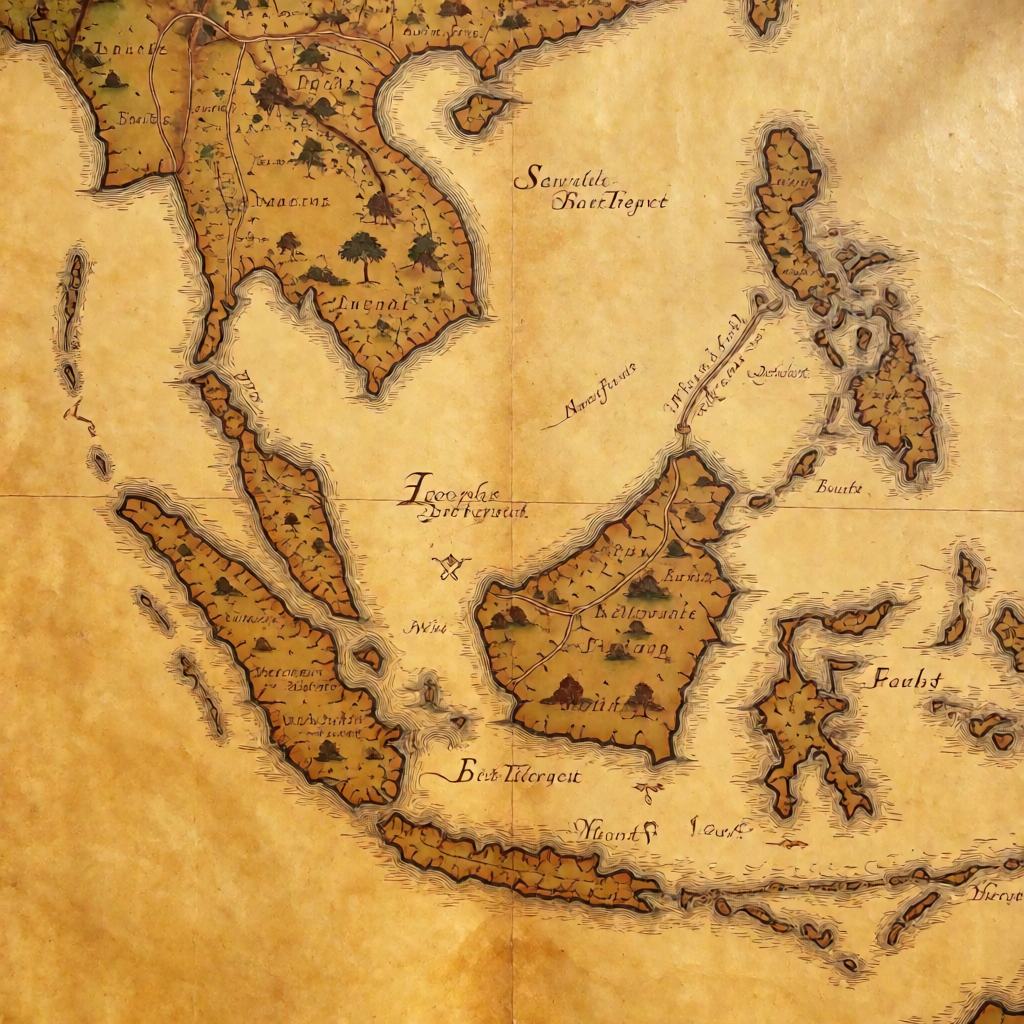
Islands of south east Asia lie between two oceans. A sea road from China to India passes through the straits of the region. Whoever held those straits, in effect, could tax the trade that went through. That was the base of the wealth of every power in the islands. Sea trade had been busy for centuries. Ships of China, of India and of Arabia all passed through the straits. They carried silk, spices, metal, glass and cloth.
In turn ports of Sumatra and of Java grew rich on the traffic. Rulers who held them took a share of every cargo, indeed. An earlier power was a state on Sumatra. It held the straits for centuries and grew rich on the trade. Ships of the empire reached from China to The Swahili Coast. Majapahit broke that hold in time. Centre of the sea trade moved to Java.
Java itself, however, was rich. Its wet lands were fertile and gave a great surplus. Its people were farmers, craftsmen and traders. Rulers of the island had long been at work on their temples and their cities, moreover. Java held the greatest monuments of the region.
Turning points
Key Events
Majapahit was founded in 1293. A Mongol fleet came to Java in that year to punish a local king. Thus a prince of the island used the moment to take the throne. Mongol ships were driven out. A prince made himself master of eastern Java. State power, however, grew through the 1300s. Greatest minister Gajah Mada held office for about thirty years. Under him, in effect, the empire took the sea.
Fleets beat the states of Sumatra and of the islands. Ships carried its trade from the straits to the coasts of the mainland. Empire reached its height under a line of kings. Capital Trowulan grew into a great city of walls, temples, markets and water works. Court life was a centre of writing and of the arts. Temples of the age are among the finest of the region. Decline came in the 1400s and 1500s, in fact. War among its own princes weakened the empire.
Meanwhile a new power rose on Java. A last stronghold fell in about 1527. Java passed into other hands. Even as it weakened, the great fleets of China passed through the region. Ships of Zheng He’s Treasure Fleets reached Java. Their visits were written down in the records of the island.
1
2
3
Who held power
People and Powers
A king, in effect, stood at the head of the state. He held the army, the courts and the tax. The whole realm looked to him as its centre. Under him stood a body of officials who ran the government. The greatest of them, Gajah Mada, held the office of minister for most of a generation. Court life, moreover, was the centre of the state.
It held the records of the trade, the law and the tax. It paid for the temples and the water works of the capital. The king gave lands and titles to the chiefs of the provinces. Their loyalty was bought with a share of the trade. Ports, however, were the other power. Each had its own headman and its own share of the traffic.
Merchants came there from every part of the region, and their ships carried the goods of the whole of Asia. Religion changed in those years, indeed. Older faiths of the islands gave way in part to new ones from India. Temples of the age show the mixing of the two. Kings gave land to the priests, and in turn the court became a centre of the new learning.
Everyday world
Daily Life and Society
Most people, in short, were farmers. They worked the wet lands of the island and paid a share of the harvest to the state. Villages, moreover, kept their own headmen and their own courts. Much of daily life, in effect, went on without the state.
Towns were the centre of craft and of trade. Workshops turned out cloth, metal, pottery and glass, and markets held the goods of the whole of Asia. Ports were filled with the ships of China, of India and of Arabia, indeed. Traders of the region met there.
Court life, however, was the centre of the arts. Its temples and its palaces were built with great skill, and its writers and its sculptors were paid by the king. Capital Trowulan held water works, walls and long rows of houses. It was one of the great cities of the age.
Craft and ideas
Trade, Technology and Ideas
Trade, in short, was the whole base of the empire. Its ships carried the goods of the islands to the ports of China and of India, and they brought back silk, metal, glass and cloth. Straits of the region were the sea road of the east. Whoever held them, in effect, held the trade.
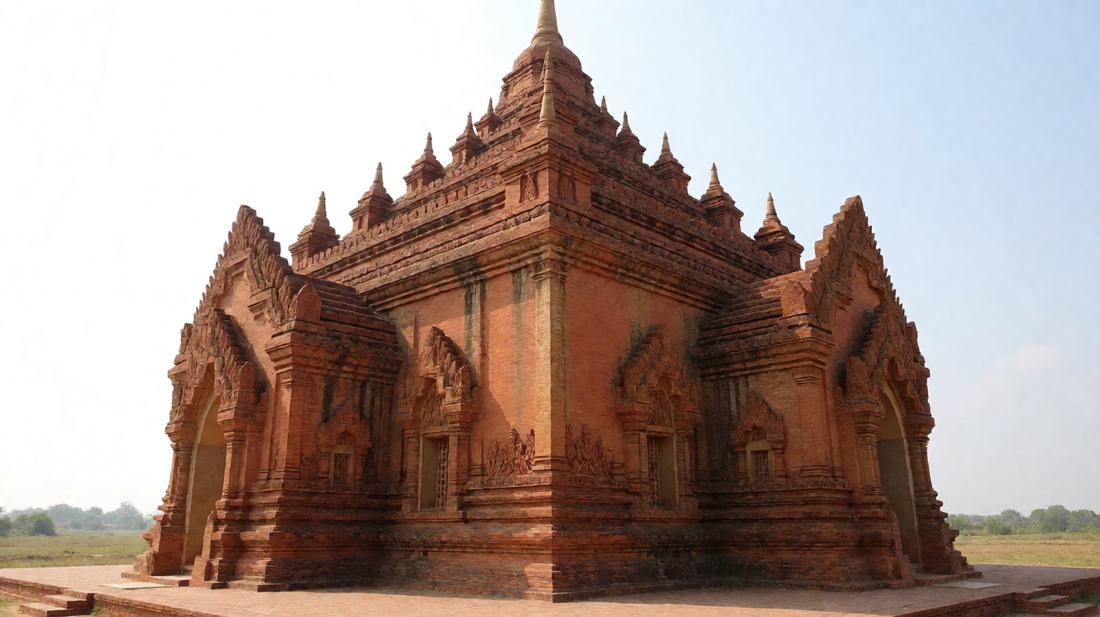
Building, moreover, was the great art of the age. Temples of Majapahit were built of brick and of stone. Their walls were carved with scenes from the old stories. Temples of the age, however, are among the finest of south east Asia.
In turn their style spread through the islands. Ships were the other skill. Seamen of the region built great ships of timber and carried the trade of the whole of the east. Their knowledge of the winds and the sea lanes was the base of the power of the empire.
What lasted
Legacy
Majapahit, in short, left a memory that lasted long after it fell. Its courts and its temples, its trade and its ships, were remembered in the islands for centuries. Writers of Java looked back to it as the great age of their country. Sea trade, however, was taken up by others.
In turn ports of the region passed into new hands. Traffic of the straits went on. Ships of China had passed through in the 1400s. Traders of Arabia, of India and of Europe followed them along the same road.
Memory of the empire, moreover, is still kept. Its name is used in the islands today, and its temples and its capital are a world heritage site. What the state began on Java has outlived it, indeed.
Side by side
How It Compares
| Point | Majapahit | Srivijaya |
|---|---|---|
| Its base | Java | Sumatra |
| Dates | c. AD 1293-1527 | c. AD 650-1025 |
| It held | The straits and the sea lanes | The straits of Malacca |
| Its power | A rich island and a fleet | A fleet and the sea trade |
| Noted for | Temples of brick and stone | Buddhist centres and trade |
| Its end | A last stronghold fell in 1527 | Broken in the 1000s |
Common misreadings
What People Get Wrong
- Majapahit ruled the whole of south east Asia. Its claims covered many lands, but its real power lay on Java.
- Its power rested on farming. Sea trade was the base of its wealth.
- It fell to China. It broke up among its own princes.
Going further
Sources and Further Reading
- Wikipedia, Majapahit
- Encyclopaedia Britannica, Majapahit empire. Encyclopaedia Britannica, Inc.
- Ricklefs, M. C. 2008. A History of Modern Indonesia since c. 1200. Palgrave.
- Munoz, P. M. 2006. Early Kingdoms of the Indonesian Archipelago and the Malay Peninsula.
Quick hits
Five Things to Remember
- The Majapahit empire rose on Java in about AD 1293.
- Its greatest minister, Gajah Mada, held office for about thirty years.
- Its capital, Trowulan, was a great city of walls and temples.
- Its ships carried the trade of the region between China and India.
- The empire ended in about 1527.
[…] the north, and it pushed south for centuries. Khmer power lay west. At sea lay Srivijaya, and later Majapahit. In 982 a Vietnamese raid destroyed a Cham capital and took its treasury. In 1177 Cham forces […]