 By Iris
Carthage | The Rival of Rome
Historical Profile · North Africa
Carthage | The Rival of Rome
A trading city on the African shore that built the greatest fleet of the western sea, and fought Rome for a century over the water between them.
c. 814-146 BC
Founded
Its fleet
First war
Hannibal
Destroyed
The big picture
Introduction
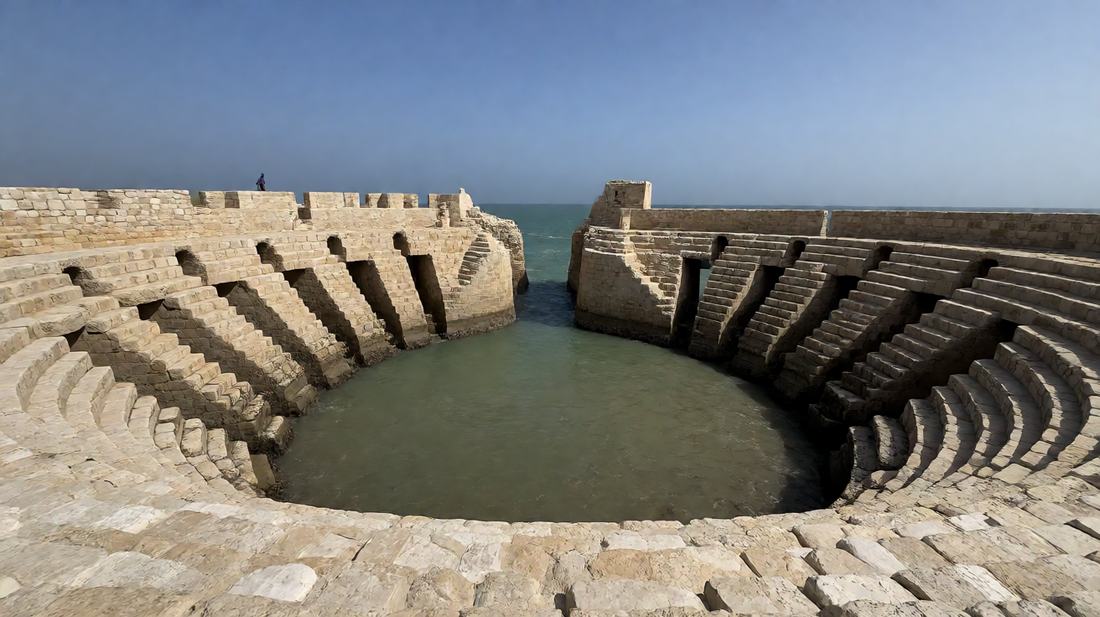
Carthage stood on the north coast of Africa. Its ground is now Tunisia. Traders from Tyre founded the city in about 814 BC. A broad sea road made Carthage rich, and within three centuries it became the greatest sea power of the western Mediterranean.
Still, its neighbours were many and strong. Its fleets carried goods from Spain to Egypt. But its merchants also held a chain of harbours along the African coast. For more than a hundred years Carthage and Rome fought for command of the sea.
That struggle ended in 146 BC. The city was taken, pulled down and left in ruins. At the same time Classical Greece rose to power. Meanwhile the two trading peoples watched one another with care.
Setting
Historical Context
Every detail of the site was chosen with care. A peninsula gave the city two safe sides. A broad bay lay on one side and a lagoon on the other. As a result, ships could find shelter from almost any wind. Behind the city lay a fertile plain. Beyond that rose the hills that gave stone and timber. Geography put Carthage where the African coast met the sea road. From there ships could reach Sicily, Sardinia and Spain.
First settlers came from Tyre, a port on the coast of the Levant, and their ships had long carried goods to the western end of the sea. Carthage began as one of a line of trading posts. Later, though, the town outgrew its founders. In turn it came to rule the other posts in its own name. By the 500s BC it led a group of cities. Members stretched from the Atlantic to the edge of Egypt. Land was held as well, since its citizens had to be fed. Citizens farmed the plain behind the city.
Their estates produced grain, oil and wine in great quantity. State wealth rested on two things. One was the trade of the sea; the other the produce of the land. Its armies took tribute instead, wherever its merchants could not trade. To the east lay Ancient Egypt, old and rich, with its own ports and its own trade in grain and gold. To the north, across the sea, lay the Greek cities of Sicily and of southern Italy. For centuries Carthage fought the Greeks of Sicily. Even so, that contest ended only when a greater rival appeared.
Turning points
Key Events
Carthage grew through trade and war. In the 500s BC its fleets beat the Greeks of Sicily. Part of the island followed. In the 400s it pushed inland. The peoples of the African plain came under its rule. Its ships passed through the strait at the western end of the sea and reached the open Atlantic. Thus they traded for tin and silver along the coasts of Spain. A first war with Rome began in 264 BC, and the two states fought for the island of Sicily. The war was decided at sea.
Rome had no fleet at the start. Yet it built one. In 241 BC it beat the Carthaginian navy and took the island. Sea power slipped away for the first time in centuries. A second war was the work of one family. Hannibal, a Carthaginian general, crossed the Alps in 218 BC with a great train of transport and supplies. He beat the Roman armies in Italy again and again. Still, he could not break their will. Yet he held the field there for fifteen years.
Eventually the Romans found a general to match him. At Zama in 202 BC Hannibal was beaten on his own ground. A third war was short, however. Rome wanted Carthage gone, because it had found a reason at last. Its armies laid siege to the city in 149 BC. The city fell in 146 BC. Empty ground lay there for a century.
1
2
3
Who held power
People and Powers
Carthage was ruled by its merchants. Two officers, called suffetes, held the chief office each year, and a senate of leading families set policy. In time of war a single general took command. War gave him wide powers. Government followed the same idea as Rome, because the two states rested on the same model. Each was a city ruled by its own leading families. Carthage was also a trading company. Its ships were owned by private families.
The state took a share of what they carried. Its officers kept a careful record of the sea lanes, the harbours and the winds, though few of those records survive. They were said to have thrown a captain overboard rather than let a rival learn the road to the tin coast. Religion stood at the centre of public life. Baal and Tanit were the chief gods. Their temples rose in the heart of the city. Offerings were made for the safety of the fleet. Public money paid for the priests.
When Rome destroyed the city, it destroyed the temples with it. Soldiers came from many lands. Citizens served in the navy, while the land forces were raised from subjects and from hired soldiers. Numidian riders, Spanish foot soldiers and Balearic slingers all served Carthage. Their skill came at a price, however. When the money ran short, the soldiers turned on the state.
Everyday world
Daily Life and Society
Most people in the lands of Carthage were farmers, though the city itself lived by trade. Farmers worked the plain behind the city. They paid a share of the harvest to the state. Estates were laid out with care. A manual on farming written by a Carthaginian named Mago was thought so good that Rome translated it after the city fell. Carthage itself was a great workshop.
Workshops turned out cloth, pottery, glass and metal goods for sale across the sea. Shipyards built and repaired the fleets. The docks could hold two hundred warships at once. Harbours were ringed with walls, and the gates were shut at night. In effect, life was ordered by rank and by wealth. Leading families held the offices and the ships.
The rest worked in the workshops, the docks or the fields. Foreigners were welcome as traders, though they had no share in the government. Quarters were kept for Greeks, Italians and the peoples of the interior. By the last years of the city, the whole population was drawn into its defence, and indeed every hand was needed.
Craft and ideas
Trade, Technology and Ideas
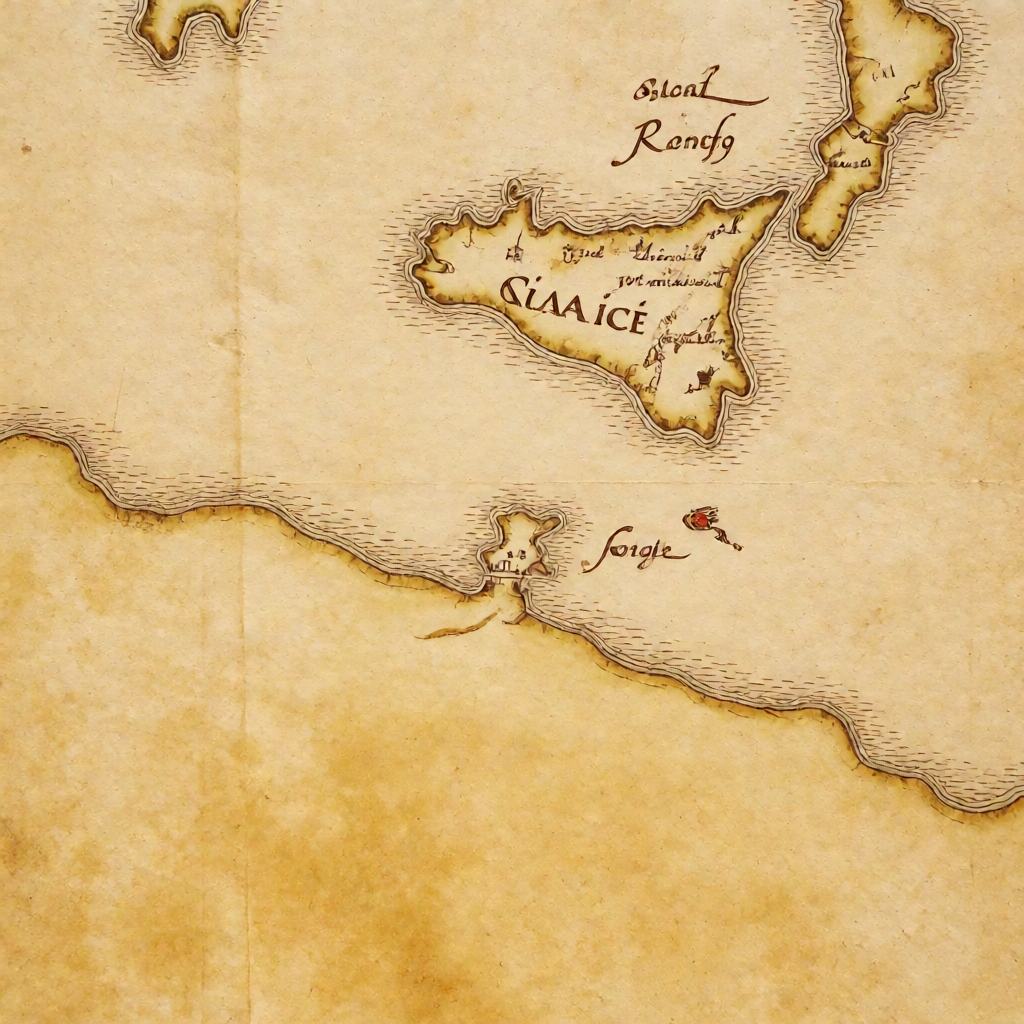
Trade was the whole point of Carthage. Carthaginian ships carried cloth, metal, pottery and glass to the western ports. Silver, tin, copper and leather came back in return. Carthaginian merchants held the sea road to the tin islands of the north, and they kept the western sea closed to other powers. Caravan roads also crossed the desert to the south. Thus the gold lands of the interior were reached.
Shipbuilding was a great craft there, though its trade mattered still more. Warships were built for speed, with a sharp ram at the bow. Their crews were among the best on the sea. Carthaginian fleets gave the city the command of the water for three hundred years. Rome learned its lessons from captured Carthaginian ships. In turn it improved its own designs.
Moreover, the city was a place of learning. Carthaginian writers set down works on farming, on navigation and on the founding of the city. Schools taught the letters of the Phoenician alphabet. From there the alphabet travelled with the traders, and the Greeks took it, changed it and passed it on to Europe.
What lasted
Legacy
Carthage left a deep mark on the western sea. Ships from Carthage opened the sea lanes. In turn its traders linked the ports of three continents. When the city fell, Rome took over its harbours, its farms and its trade.
As a result, the western sea became a Roman lake. Memory, however, was shaped by the winners. Roman writers held Carthage up as the enemy of all that Rome stood for, and the picture stuck. A Roman phrase, Punic faith, came to mean a promise that could not be trusted.
Winners drew that picture, and in short the city left few records to answer it. Today the site is a ruin near the modern city of Tunis, and its harbours can still be traced. The ground where the city stood is a world heritage site. What the traders built with their ships and their counting houses is still being studied.
Side by side
How It Compares
| Point | Carthage | Rome |
|---|---|---|
| Rule | A council of leading families | A republic with an elected senate |
| Base of power | Sea trade and a great fleet | Land, roads and a citizen army |
| Its city | A harbour on the African shore | A walled city on seven hills |
| Its great general | Hannibal | Scipio |
| At sea | Stronger at the start | Beaten first, then rebuilt |
| Its end | Destroyed in 146 BC | Master of the whole sea |
Common misreadings
What People Get Wrong
- Carthage was a kingdom. Power lay with a council of leading families.
- Hannibal took Rome. He held Italy for fifteen years but never reached the city.
- Rome won the sea war at once. It lost fleet after fleet before it learned to fight at sea.
Going further
Sources and Further Reading
- Wikipedia, Ancient Carthage
- Encyclopaedia Britannica, Carthage. Encyclopaedia Britannica, Inc.
- Miles, R. 2010. Carthage Must Be Destroyed. Penguin.
- Aubet, M. E. 2001. The Phoenicians and the West. Cambridge University Press.
Quick hits
Five Things to Remember
- Carthage was founded by traders from Tyre in about 814 BC.
- Its fleets made it the greatest sea power of the western Mediterranean.
- Rome beat Carthage at sea in 241 BC and took Sicily.
- Hannibal crossed the Alps in 218 BC and held Italy for fifteen years.
- Rome took and destroyed the city in 146 BC.