 By Iris
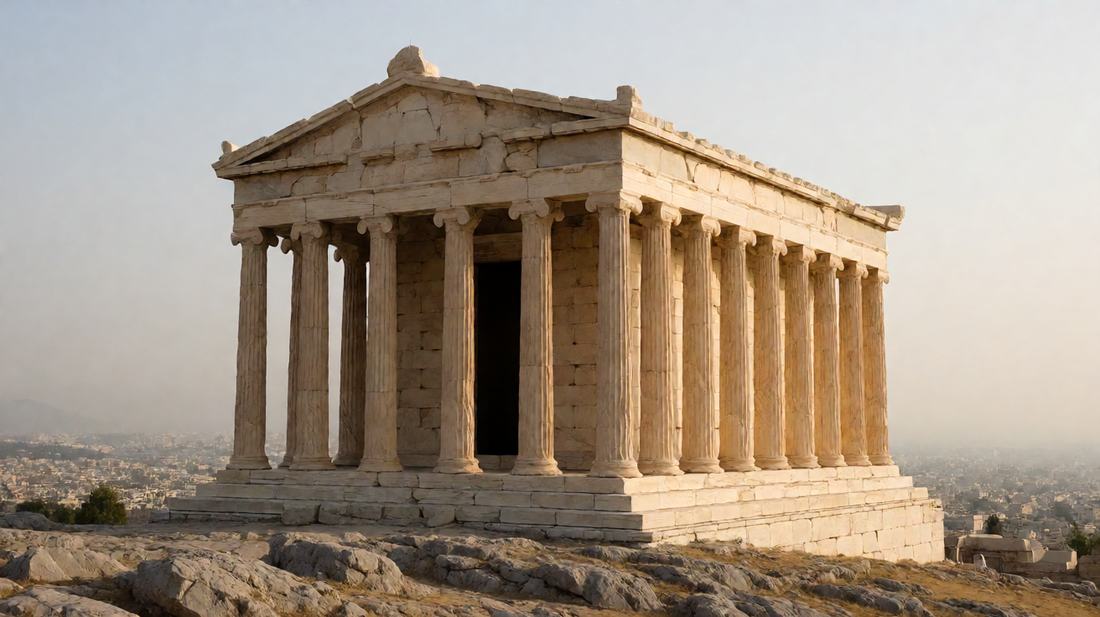
The Parthenon | The Temple of Athena
Historical Profile · Athens, Greece
The Parthenon | The Temple of Athena
Marble, paint and a set of optical tricks: a temple to a city’s patron goddess that became the model for banks, courts and parliaments.
447-432 BC
Built
Made of
Temple to
Statue
Blown up
The big picture
Introduction
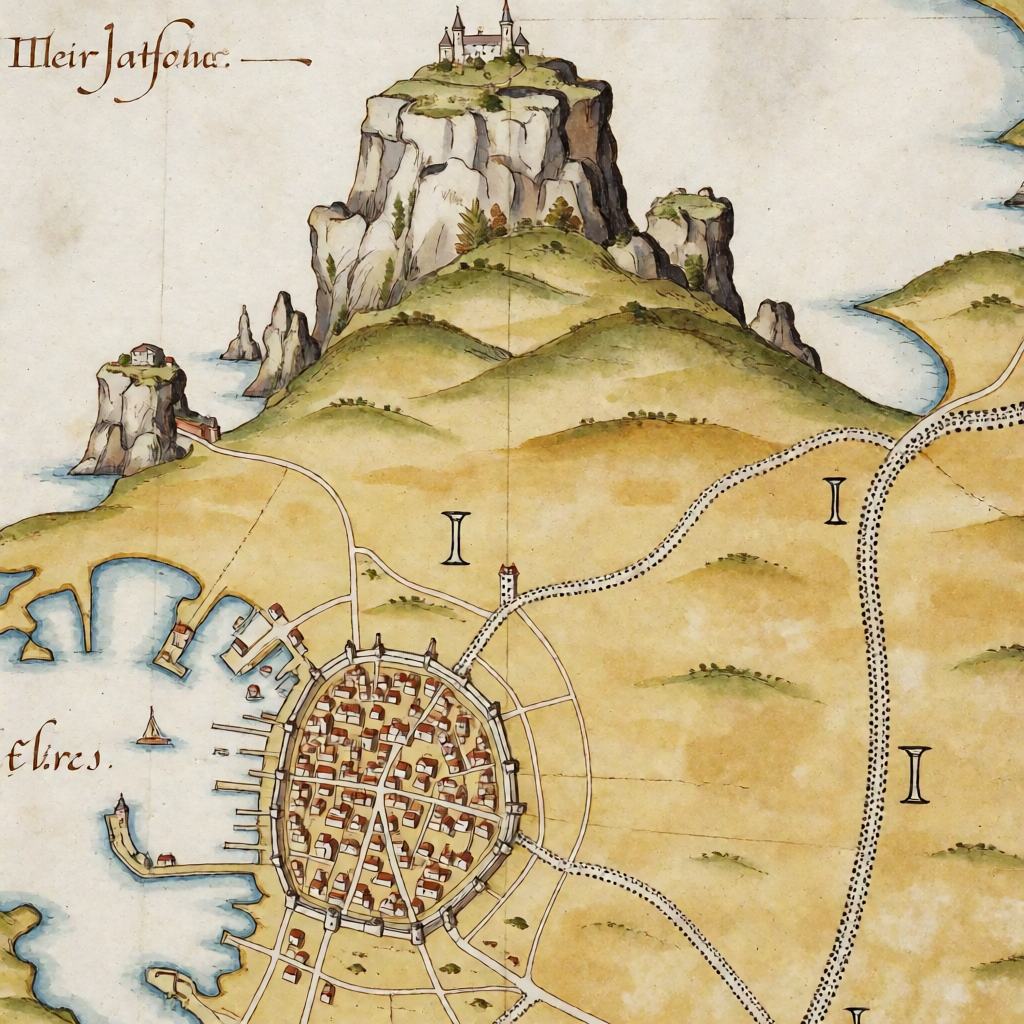
The Parthenon stands on the hill of the Acropolis in Athens. It was built between 447 BC and 432 BC. At that time the city was at the height of its power. It was a temple to Athena, the city’s patron goddess.
A league of cities led by Athens paid for it. The building is made almost entirely of marble. No ancient building has been copied more often. Banks, courts and parliaments have borrowed its shape for 200 years.
The first visitors saw something quite different. The stone was covered in paint and packed with sculpture.
Setting
Historical Context
In 480 BC a Persian army took the city. It burned the temples on the hill. The Greeks then beat the invaders at sea and on land. Athens came out of the war as the leading power. It became the head of a league of cities. Within a generation that league was an empire in all but name.
The money of its members paid for the new temple. The style of the building was not new. It used the Doric order, worked out in the older cities. That order had spread across Classical Greece. What was new was the scale and the finish. The architects were Ictinus and Callicrates.
The sculptor Phidias directed the whole programme of decoration. The aim was not only to honour the goddess. A temple of that size stood above the whole city. It was also an advertisement for the power of Athens.
Turning points
Key Events
Work began in 447 BC and the building was finished in 432 BC. A great statue of Athena stood inside. It was made of gold and ivory. The temple served for almost 1000 years. Its long decline began with a change of faith.
In the 400s AD the temple became a church. In the 1400s it became a mosque. In 1687 a war between Venice and the Ottoman Empire reached Athens. Gunpowder was stored in the building. A shell set it off and the middle was blown out.
Many of the columns came down. From then on the ruin was stripped for stone. In the 1800s a British official removed much of the surviving sculpture. Those pieces are still in London.
1
2
3
Who held power
People and Powers
Pericles pushed the whole rebuilding programme through. He was elected year after year. He used the money of the league to pay for it. His enemies called it a misuse of funds. They were not wrong.
The men who did the work were a mixture. There were citizens, resident foreigners and enslaved people. They were paid at different rates. The accounts survive carved on stone. They list every payment.
Phidias was the master sculptor of the project. Ictinus and Callicrates were the two architects. The project was also a public works programme. It put money into the hands of craftsmen and rowers.
Everyday world
Daily Life and Society
The temple was not a place where people gathered to pray. The altar stood outside, in the open air. The sacrifice took place there. Inside stood the great statue and the treasure of the city. Ordinary people did not go in.
What they saw was the outside of the building. There were columns, painted sculpture and crowds on feast days. The hill was the religious centre of Athens. A festival was held every 4 years. A procession walked from the city gate to the top.
The frieze on the temple shows that procession. There were riders, chariots, musicians and offerings. The city paid for the whole festival.
Craft and ideas
Trade, Technology and Ideas
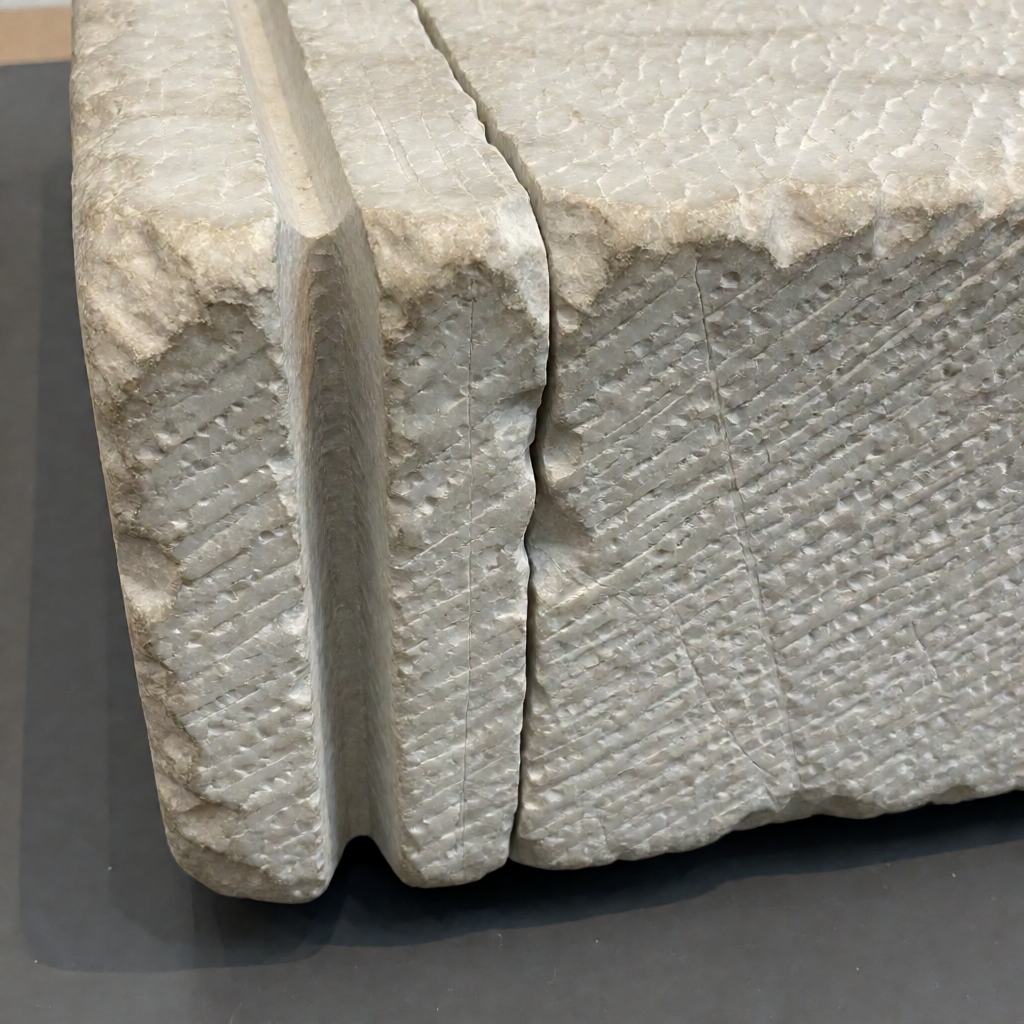
Two things about the building are still studied. The first is the way the columns were made. They are not straight. Each one leans slightly inward. The floor curves upward in the middle. The eye reads the lines as straight. The whole mass of the building looks lighter than it is. Nothing about those curves is an accident. The second is the sculpture. The figures were carved in the round.
Then they were fixed to the building. The carving was finished after they were in place. The marble came from a quarry about 16 km away. It was moved by road and by sea. The same orders were used across the Greek world. Roman builders took them up. Three of them frame the arches of The Colosseum. The same shapes appear in the towns of Italy. The walls of Pompeii and Herculaneum still show them. The cost was enormous.
The temple took years to build. The whole programme on the hill went on for decades. The money came from the treasury of the league. The accounts were carved on stone for everyone to see. The building was one of the largest projects of the Greek world. It kept a whole workforce busy. There were quarrymen, carters, shipwrights, masons and carvers. The gold and ivory for the statue were worth a fortune.
What lasted
Legacy
The Parthenon has been a church, a mosque and a ruin. It has also been the model for a whole manner of building. From the 1700s European architects measured it and copied it.
A front of columns with a triangle above became a standard look. Banks, museums and parliaments all took that shape. The idea was that such a building stood for reason.
The building also stands for something harder. Its sculpture is split between Athens and London. The argument about where it belongs has run for 200 years.
Quick hits
Five Things to Remember
- The Parthenon was built between 447 BC and 432 BC.
- It was a temple to Athena, the patron goddess of Athens.
- The architects were Ictinus and Callicrates, and Phidias directed the sculpture.
- A gunpowder explosion in 1687 blew out the middle of the building.
- Its columns lean inward and its floor curves, so the lines look straight.