 By st20113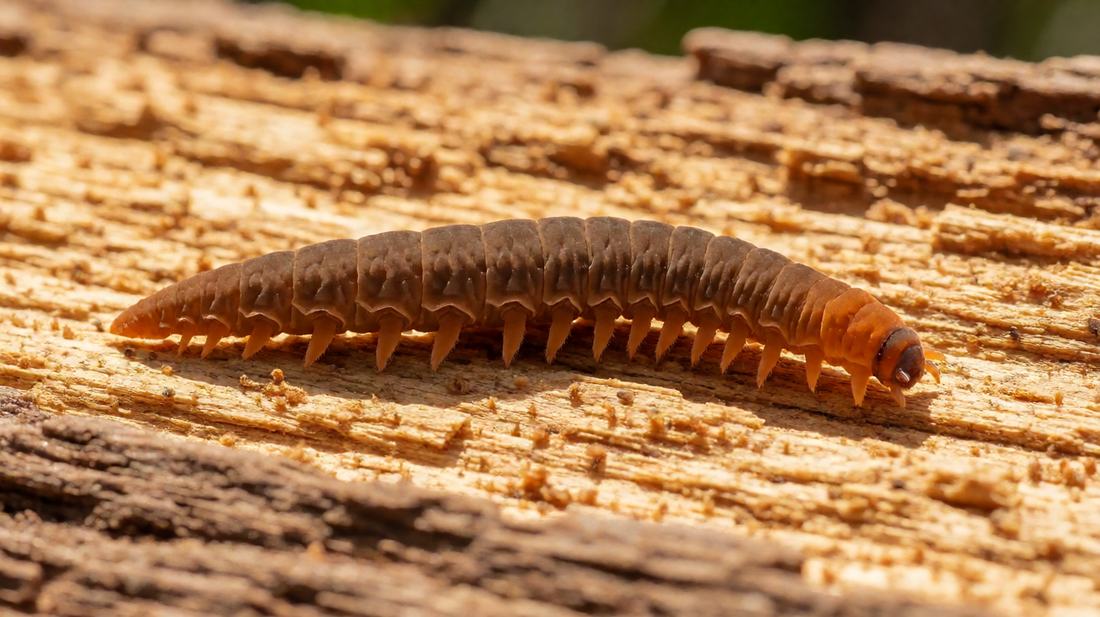
Euperipatoides rowelli | Velvet Worm
Species Profile · Peripatopsidae
Velvet Worm
A soft skinned hunter of damp Australian logs that sprays glue from its head to catch insects and then eats the glue too.
A velvet skinned hunter that sprays glue at its prey and then eats the glue as well
Female length
Legs
Skin
Glue
Young
Family
The Velvet Worm
A hunter that shoots glue
This animal is a soft, velvety hunter. It has 15 pairs of stubby legs. It lives in rotting logs in wet forest.
It shoots glue to catch its prey. It is not a worm at all, but a distant cousin of insects.
Family tree
Onychophora, Peripatopsidae
The velvet worm belongs to the phylum Onychophora. Its scientific name is Euperipatoides rowelli. It was named in 1996 by A.
L. Reid. Velvet worms sit close to the arthropods.
A near relative in build is Common Centipede. Both hunt on many legs and share the wider arthropod branch. The group is ancient, and its members have changed little.
5 cm and 15 pairs of legs
How to tell one
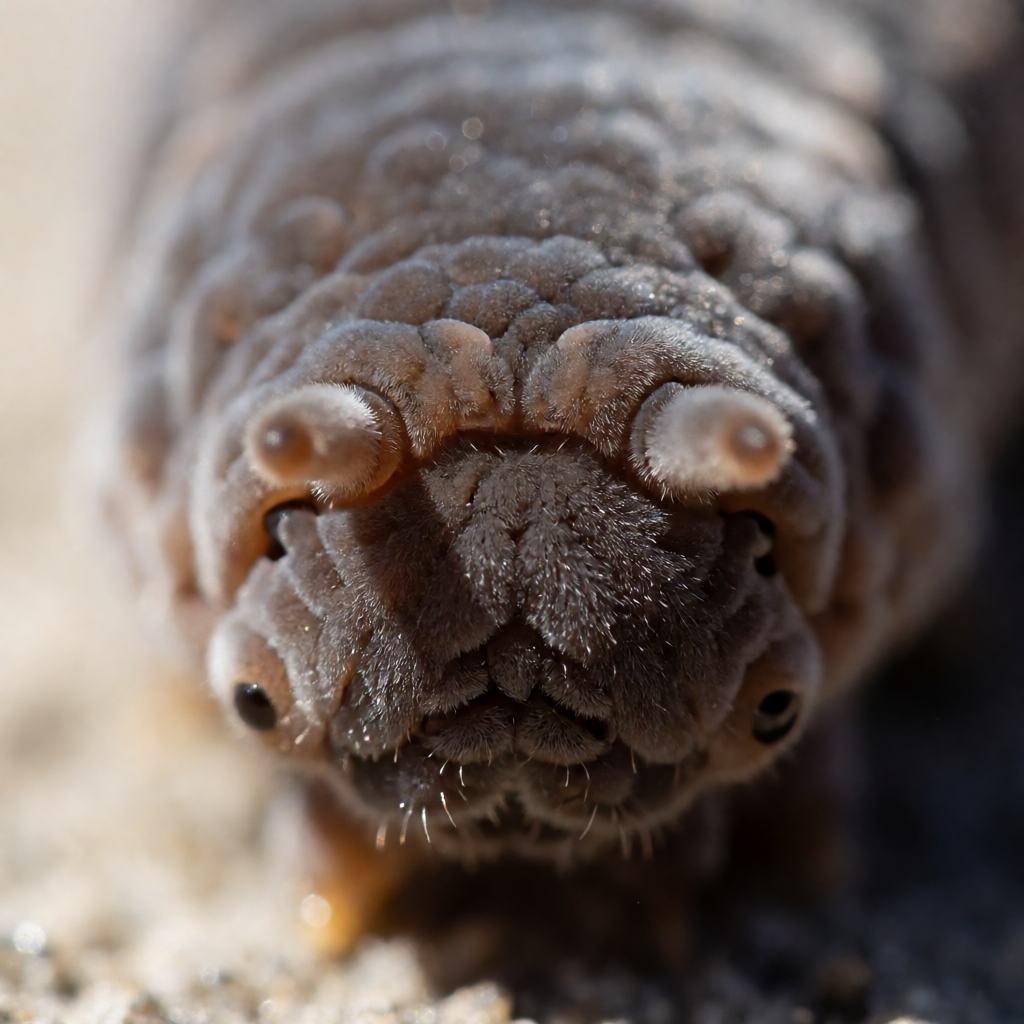
A grown female is 3 to 5 cm long. A few reach 6 cm. The skin is dark grey-blue and covered in fine bumps. That skin gives the animal its velvet look.
It has 15 pairs of short legs. Each leg ends in a small claw. The eyes are simple and only tell light from dark.
1
2
3
Damp logs in south eastern Australia
Where it lives
It lives in wet forest in south-eastern Australia. New South Wales and the Capital Territory hold most of it. It shelters in cracks inside fallen logs.
The wood must stay damp all year. The animal leaves the log only at night.
Termites, crickets and glue
What it eats
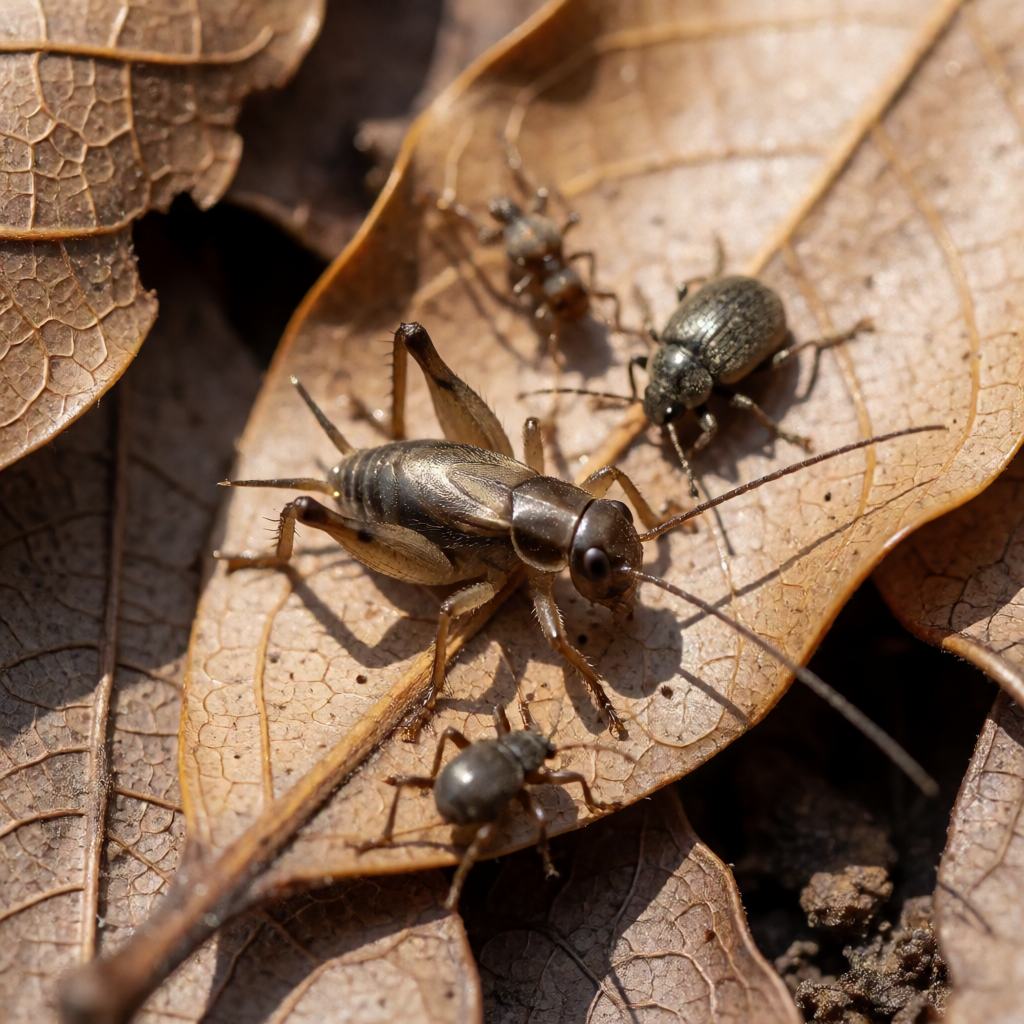
The velvet worm is a hunter. It eats small insects such as termites and crickets. It taps the prey with its antennae first.
Then it sprays glue from 2 special legs. The jet travels at about 5 m/s. It shakes at 30 to 60 times a second.
The glue sets on contact and holds the victim still. The hunter then eats both the prey and the dried slime.
Young born live
The breeding cycle
Each female has 2 uteri. Her young grow inside her and are born live. Embryos at different stages sit side by side. Their ages may differ by up to 6 months.
A male leaves a sperm packet on her skin. The sperm pass through the skin and travel in her blood. Males mature in about 6 months, but females may take 3 years.
Logging and clearing
Conservation
This species is not on the IUCN Red List. Its forest home is under pressure from logging. Clearing for houses removes the damp logs it needs.
Because it never travels far, it cannot move away. No special protection covers the animal.
Quick hits
Five things to remember
- It shoots glue at its prey, then eats the glue.
- Groups of up to 15 animals share a single log.
- A dominant female always feeds first.
- The young are born live after growing inside the mother.
- Its simple eyes can only tell light from darkness.