 By st20113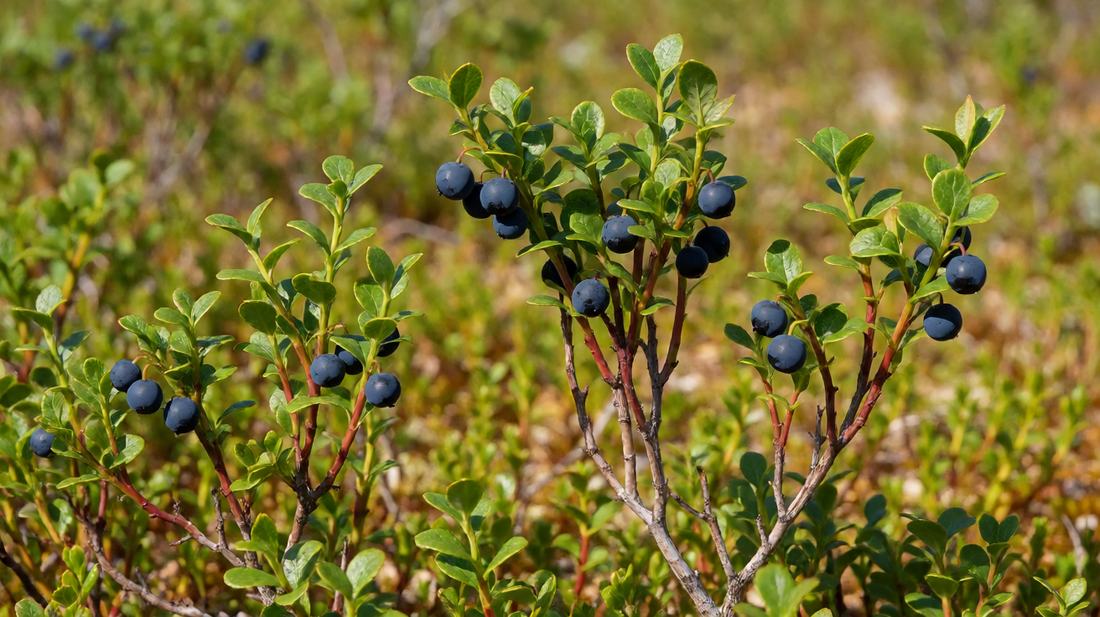
Vaccinium uliginosum | Bog Bilberry
Species Profile · Ericaceae
Bog Bilberry
A low shrub of northern bogs and tundra that turns red in autumn and carries berries which taste sweeter after the first hard frost.
A cold loving shrub whose blue berries feed bears and birds
Height
Berry
Ripening
Altitude
Genus
Named
The Bog Bilberry
A northern shrub of cold peat
The Bog Bilberry is a low shrub of cold peatland and mountain slopes. It grows in wide patches on open wet ground. Round leaves cover the thin reddish stems.
Small pink flowers appear in late spring. Dark blue berries ripen in late summer. Its fruit feeds birds and bears across the north.
Family tree
Ericales, Ericaceae
The species sits in the family Ericaceae. Its order is the Ericales. The genus Vaccinium holds about 450 species in all. It shares the family with the Heather.
Both plants grow on acid peat and poor soil. Our species differs in its soft round berries. The species was named by Linnaeus in 1753.
Small round leaves and blue berries
How to tell one
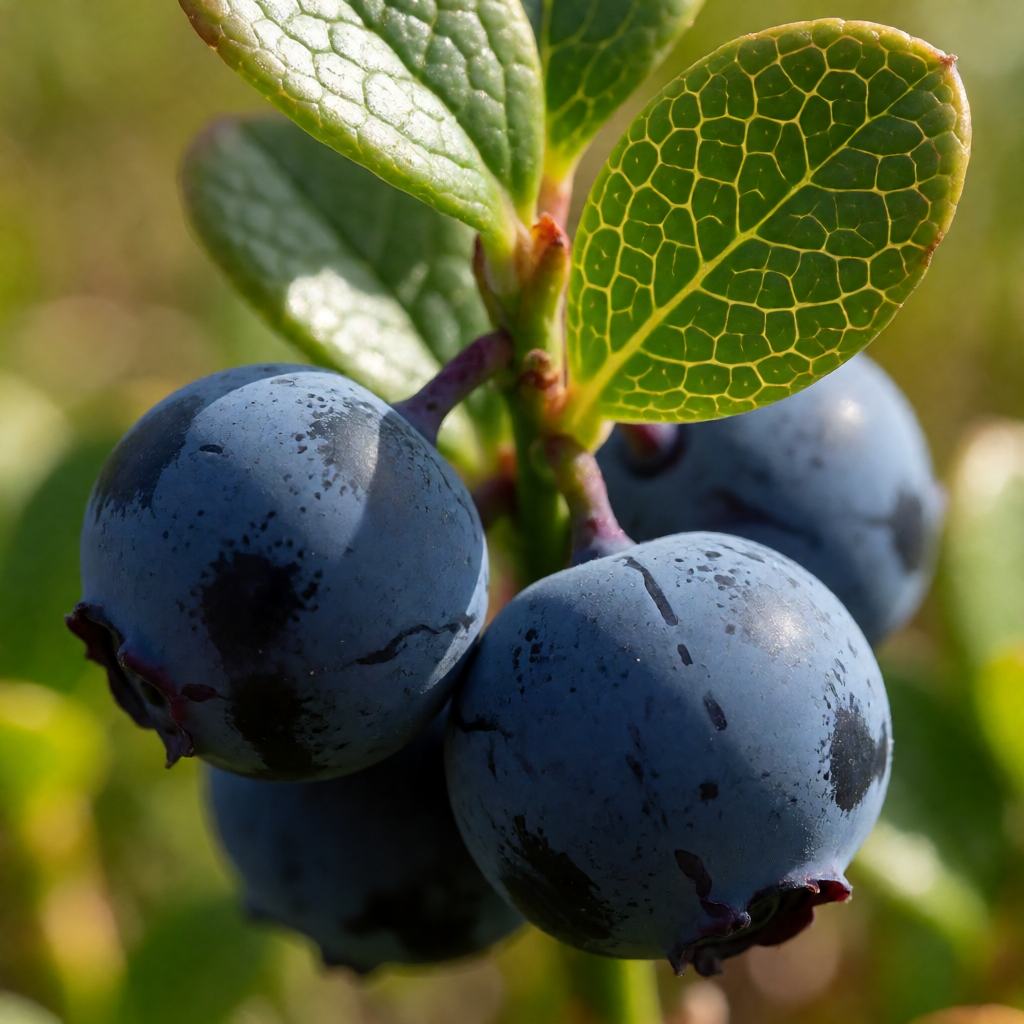
The shrub grows between about 20 cm and 75 cm tall. The leaves are small, round and blue green. They turn red and orange in autumn. The stems are woody and reddish brown.
The flowers are pale pink and bell shaped. The berry measures about 6 mm to 8 mm across. Its flesh is pale and its skin carries a white bloom.
1
2
3
Wet acid peat and mountain ground
Where it lives
The plant lives on wet acid peat and cold mountain ground. It grows on bogs, tundra and open heath. It also climbs into high mountain slopes above 1,000 m. It needs full light and constant soil moisture.
It survives deep frost under a cover of snow. The species is common right around the northern hemisphere. It avoids lime rich soil completely.
Light, soil water and a fungal partner
How it feeds
The plant makes its own food from light and air. It takes water and minerals from the soil. Fine threads of a fungus help its roots to feed. That partnership works in acid ground with few nutrients.
The plant cannot grow well without those threads. It stores food in its woody stems for winter. Its shallow roots sit in the top layer of peat.
Flowers, bees and berries
The yearly cycle
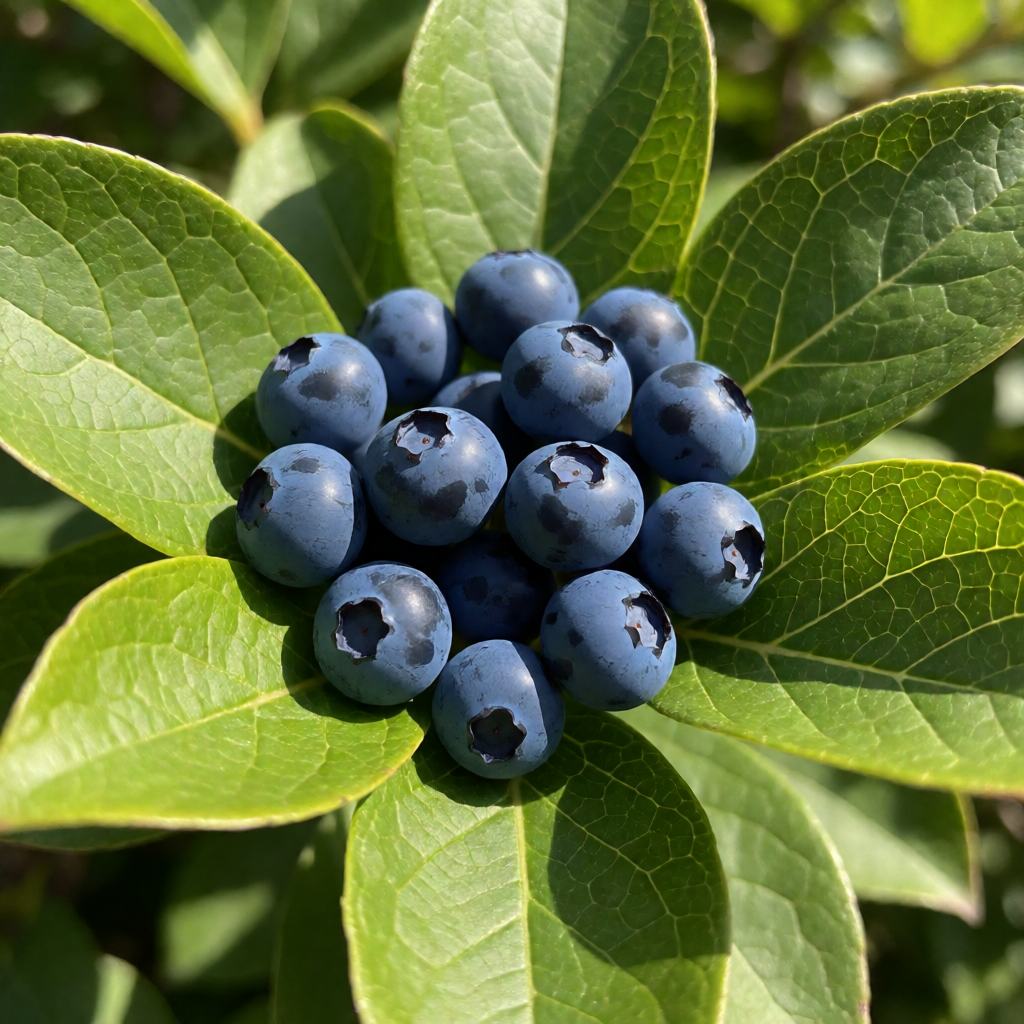
The flowers open in late spring. Bees shake the flower to release the pollen. The plant needs that vibration to set fruit. Berries ripen about 8 weeks later.
Birds and bears eat the fruit and spread the seed. The shrub also spreads sideways by creeping stems. A single patch may live for many decades.
Drained bogs and a warming north
Conservation
The species is listed as Least Concern in European red list checks. Peatland drainage has dried many of its former bogs. Climate change is pushing the tree line up the slopes. Overgrazing by deer and sheep strips the low shrubs.
The plant survives well inside large protected bogs. Its berries are gathered for juice and jam in the north. Long term monitoring is thin for a plant of this range.
Quick hits
Five things to remember
- The berries are blue outside but their flesh stays pale inside.
- Its fruit tastes sweeter after the first hard frost.
- The plant grows further north than almost any other shrub.
- Its leaves turn deep red before the snow arrives.
- One plant may spread across a wide patch of open bog.