 By st20113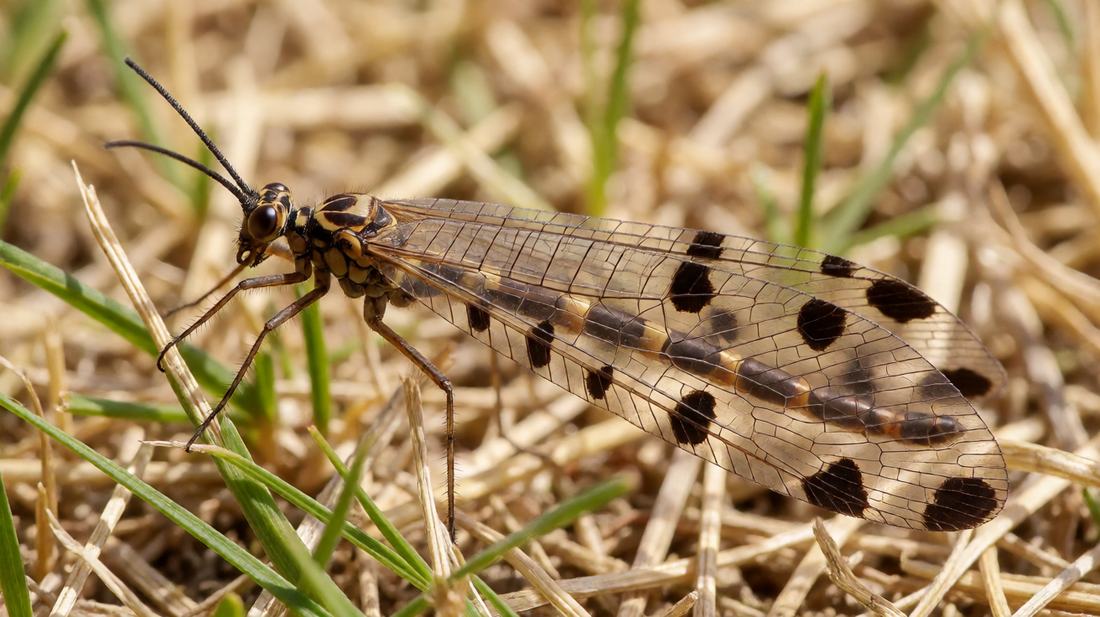
Euroleon nostras | Spotted-winged Antlion
Species Profile · Myrmeleontidae
Spotted-winged Antlion
A slender insect of dry sandy places whose worm like larva digs a small pit and waits at the bottom for ants to slide in.
A dusk flying insect whose larva digs a sand pit to trap ants
Body
Wingspan
Larval life
Stages
Eggs hatch
Family
The Spotted-winged Antlion
A dusk flier of dry sandy places
The Spotted-winged Antlion is a slender insect of dry sandy places. It flies at dusk over warm open ground. Its clear wings carry dark marks along the veins. A short pair of clubbed antennae sits on the head.
Most people know the species only from its hunting larva. That larva digs a small pit in loose sand. The adult is rarely seen by day.
Family tree
Neuroptera, Myrmeleontidae
The species belongs to the order Neuroptera. Its family is the Myrmeleontidae, the antlions. That family holds about 2,000 species in all.
Its nearest relatives include the Common Green Lacewing. Both groups carry four large see-through wings. Antlions form a family of their own.
The species was first described in 1785. All antlions share a larva with long curved jaws.
4 cm of body and 7 cm of wing
How to tell one
The body measures about 4 cm from head to tail tip. The wings span about 7 cm across. Each wing is clear with dark spots and fine veins.
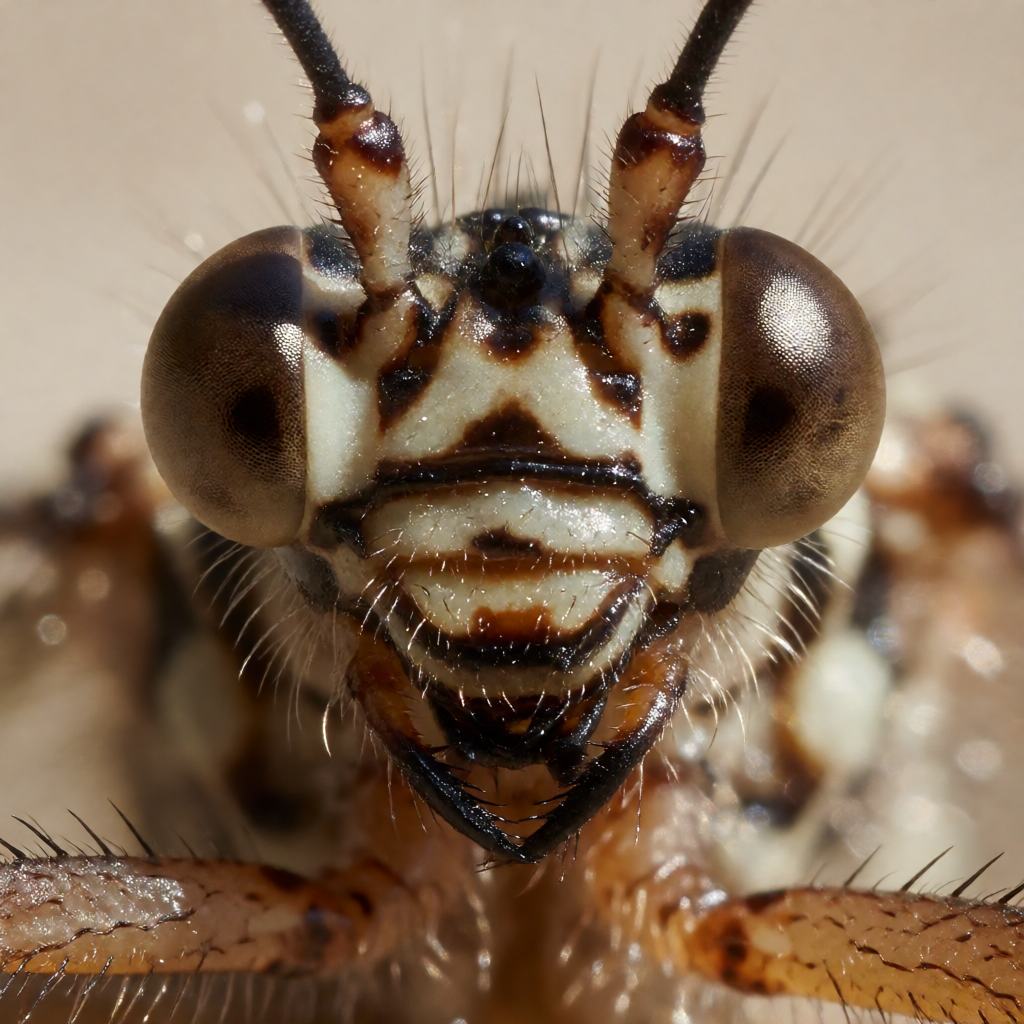
The abdomen is long and thin. The antennae are short and club shaped. They are far shorter than those of a dragonfly.
The legs are thin and carry fine bristles. The whole insect looks light and fragile.
1
2
3
Sandy heaths, dunes and pine woods
Where it lives
The species favours dry warm ground with loose sand. It lives on sandy heaths, dunes and open pine woods. The larva needs fine dry grains to build its pit. The adult rests in shade during the day.
It takes to the air at dusk in warm weather. Cold wet ground holds no larvae at all. Open sand with no plant cover suits the species best.
Ants and other small ground insects
What it eats
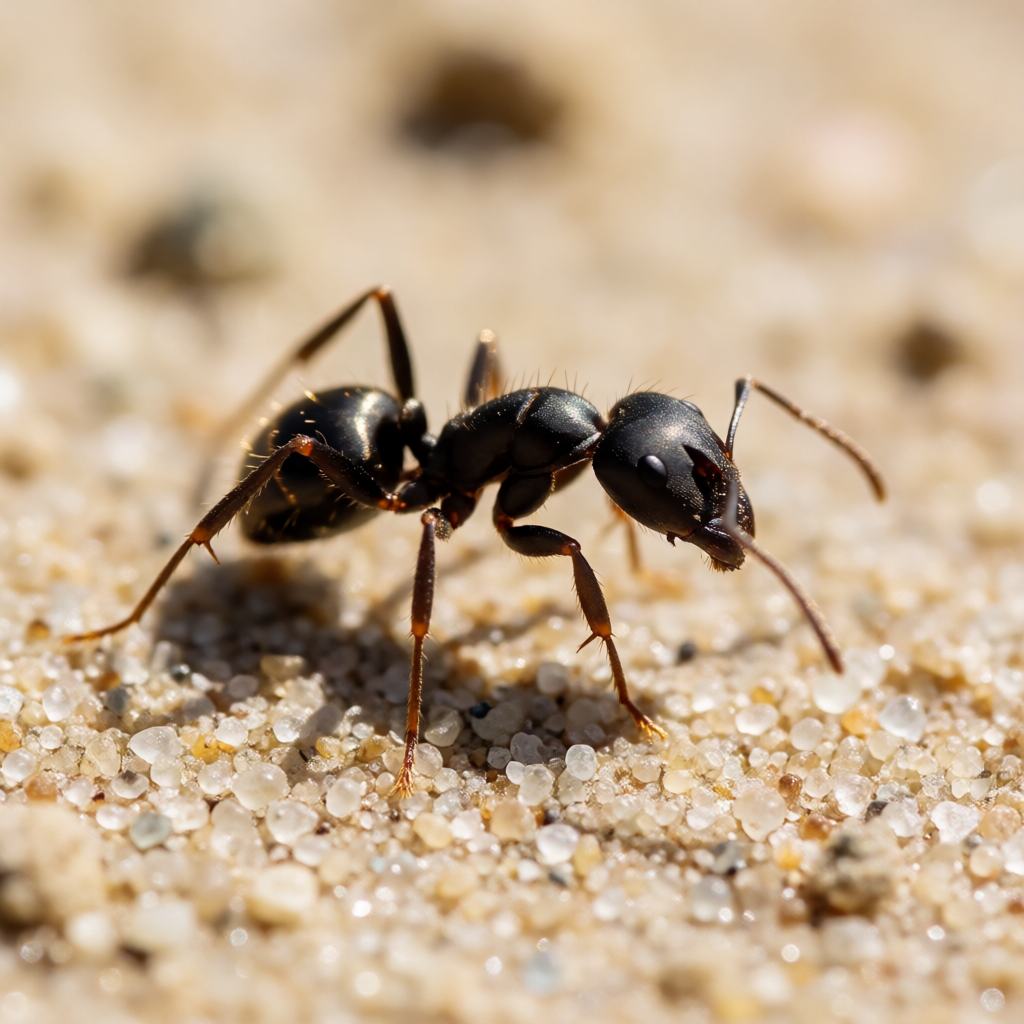
The larva eats ants and other small ground insects. It waits at the bottom of its pit for prey to slide in. It then grips the victim with its long jaws. Those jaws carry a channel for digestive fluid.
The prey is drained and the empty husk is thrown out. The adult hunts small insects in flight. Its food includes moths, flies and small beetles.
2 years in the sand
The life cycle
The female lays eggs in dry loose sand. Each egg is placed singly and covered with grains. The eggs hatch after about 2 to 3 weeks. The larva grows through 3 stages over 1 to 2 years.
It then spins a round silk cocoon deep in the sand. The adult comes out the next summer. Adults live for only a few weeks.
Sand pits and open ground
Conservation
The IUCN Red List does not cover this species. Sand dunes and heaths have shrunk across Europe. Building work and tree planting have removed open ground. Pesticides also kill the insects it needs.
Some countries protect the dry habitats that remain. Recording schemes track the species in several regions. Light traps give a good picture of local numbers.
Quick hits
Five things to remember
- The larva may spend 2 years in the sand before it changes.
- It flicks grains at passing insects to knock them into the pit.
- The pit catches prey without any silk or sticky thread.
- The insect picks up sound through fine hairs on its body.
- The adult spends its short life searching for a mate.