 By st20113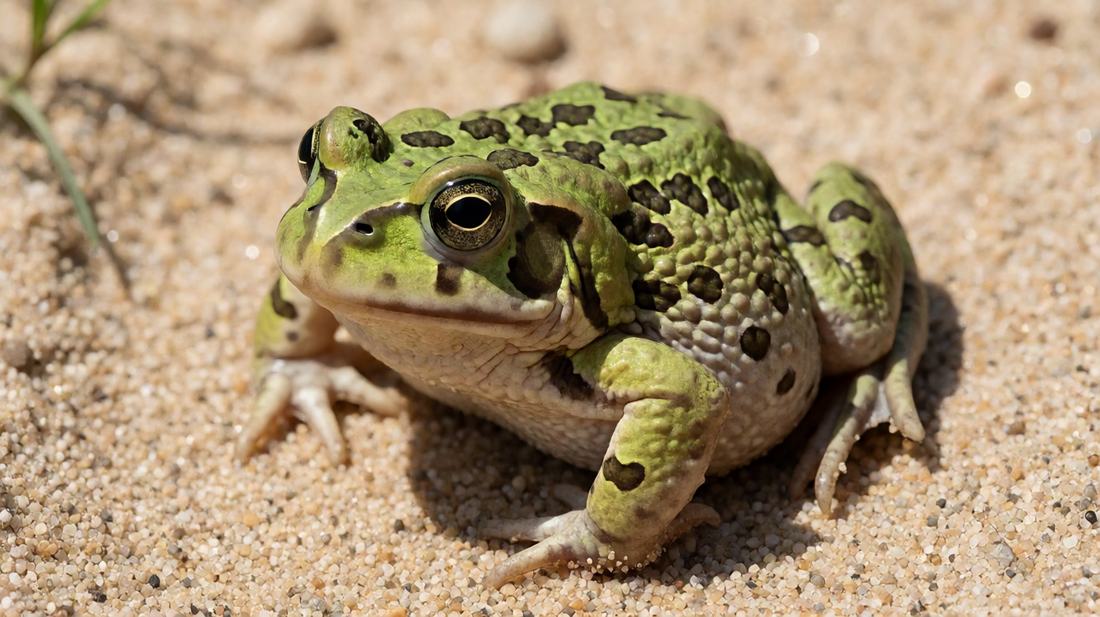
Pelobates cultripes | Western Spadefoot
Species Profile · Pelobatidae
Western Spadefoot
A plump toad of sandy ground in southwest Europe that digs with a black spade on each hind foot and breeds in temporary pools.
A burrowing toad with a black spade on each hind foot
Length
Burrow
Eggs
Tadpoles
Maturity
Life
The Western Spadefoot
A burrowing toad of sandy ground
The Western Spadefoot is a plump toad of sandy ground in southwest Europe. It is 1 of the largest spadefoots. A black spade on each hind foot lets it dig fast.
It spends the dry season deep underground. It appears above ground only after rain.
Family tree
Anura, Pelobatidae
The Western Spadefoot belongs to the phylum Chordata. Its class is the Amphibia, the amphibians. Its order is the Anura, the frogs and toads. Its family is the Pelobatidae, the spadefoots.
Our animal shares the family with the Common Spadefoot Toad. That family holds about 10 species. All of them dig with a foot spade.
11 cm and a foot spade
How to tell one
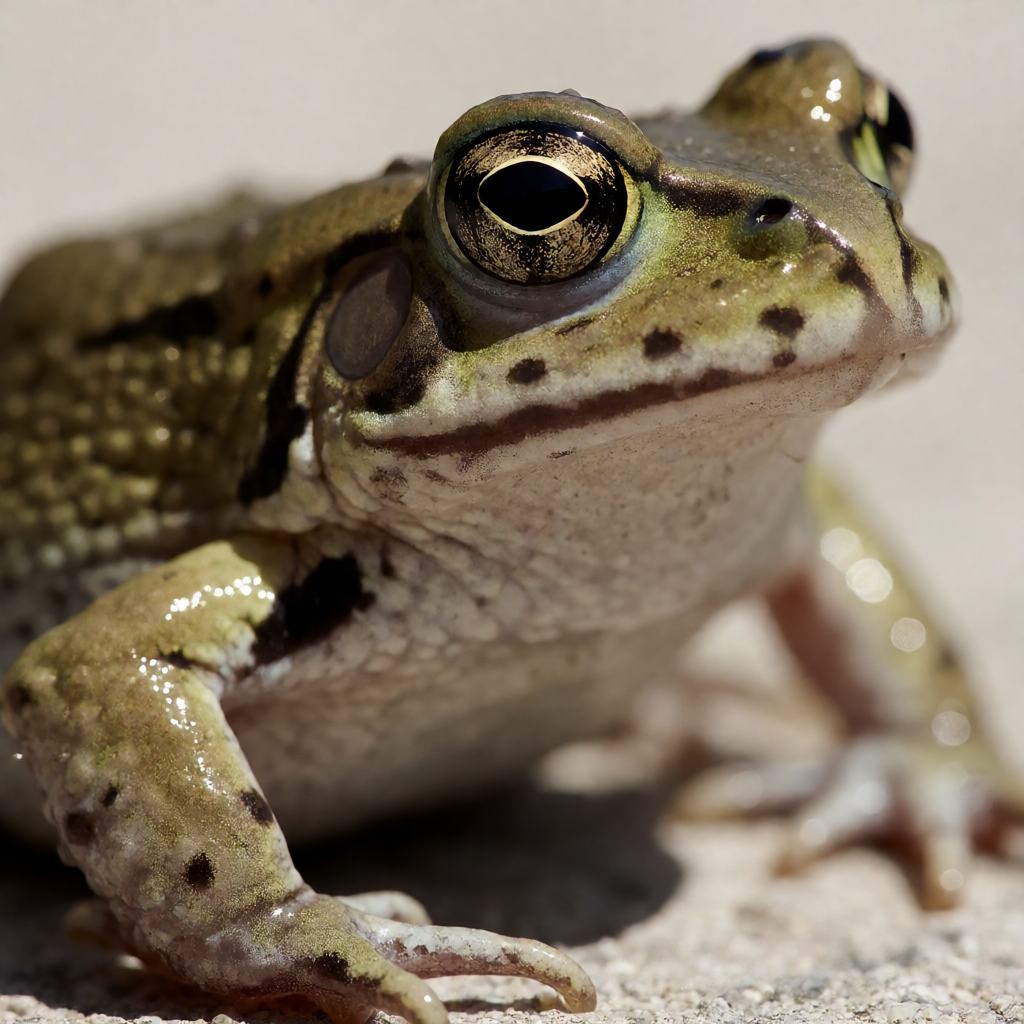
The body grows up to 11 cm long. It is plump and smooth. The colour runs from olive to grey.
Dark blotches mark the back. The eyes are large and bulging. Each pupil is a vertical slit.
A hard black spade sits on each hind foot. The skin feels moist to the touch.
1
2
3
Dunes, fields and open woodland
Where it lives
The species lives on sandy and light soil. It is found in dunes, fields and open woodland. It also uses scrub and pasture. It needs soft ground for digging.
It burrows up to 20 cm deep. It breeds in temporary pools. Water without fish is vital.
Beetles, spiders and worms
What it eats
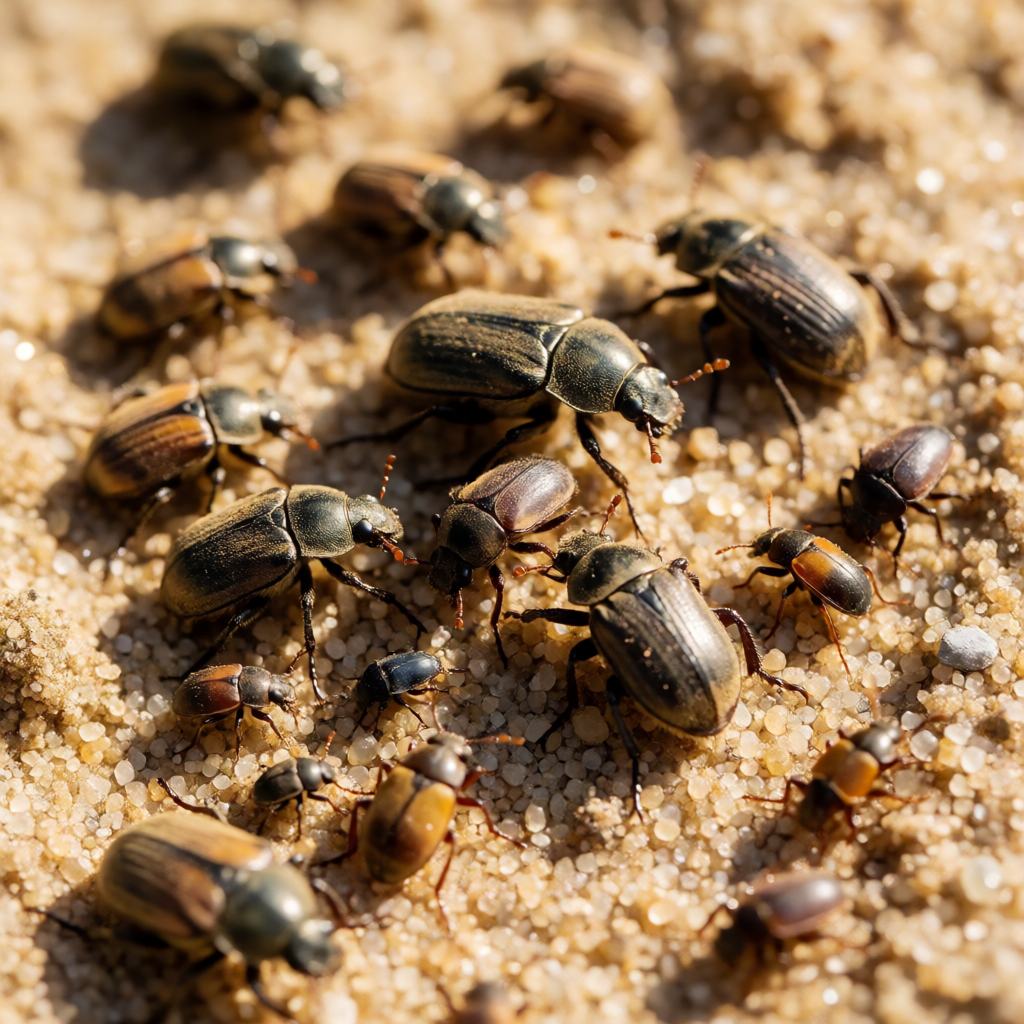
The animal eats beetles and other insects. It also takes spiders and worms. It hunts at night.
It waits for prey to pass. It swallows small prey whole. Large prey is gripped with the front feet.
Thousands of eggs in rain pools
The breeding cycle
The toads breed after heavy rain. The female lays up to 7,000 eggs. The eggs lie in bands in the water.
They hatch after about 2 weeks. The young take 4 to 6 months to grow. They leave the water in late summer.
They reach adult size in 3 years. The toad may live 15 years.
Drained ponds and road traffic
Conservation
The Western Spadefoot is listed as Vulnerable by the IUCN. Its numbers have fallen sharply. Ponds are drained or filled in. Fish and crayfish eat the young.
Roads kill many adults. The species is protected by law. Clean temporary pools are the key need.
Quick hits
Five things to remember
- It digs backwards with its hind foot spades.
- It can bury itself within a few minutes.
- The tadpoles grow larger than most toad young.
- It calls from under water with a clucking sound.
- It may sit out several dry years underground.